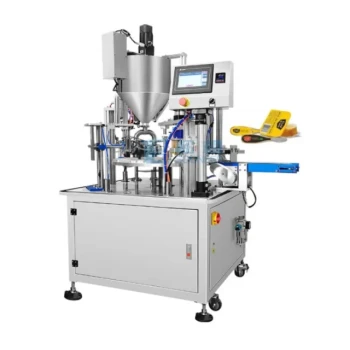
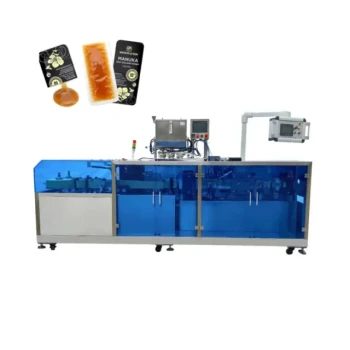
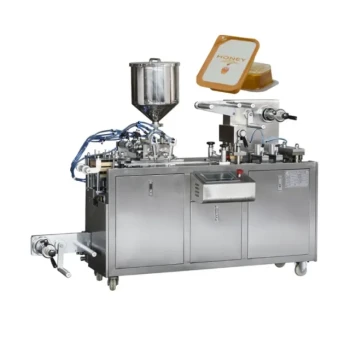
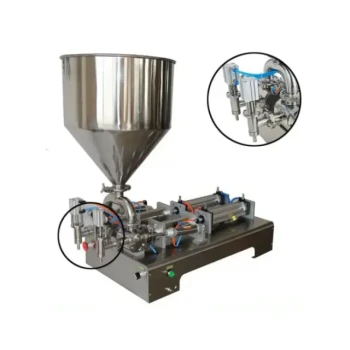
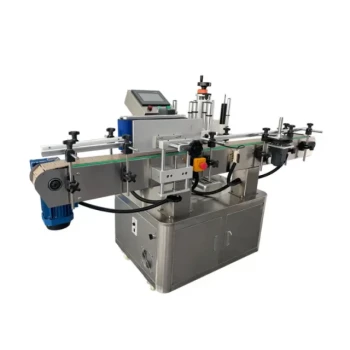
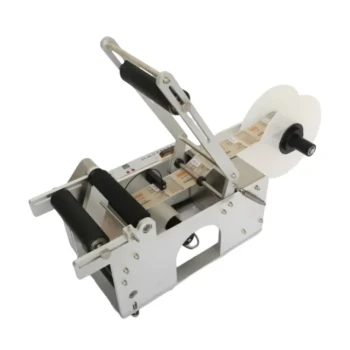
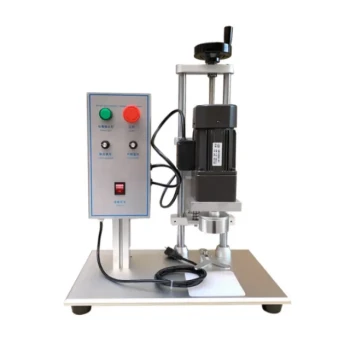
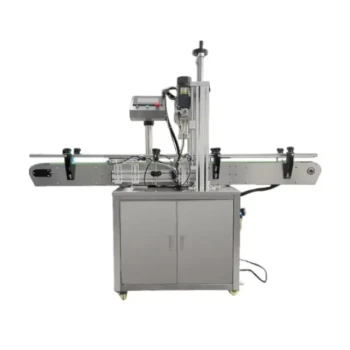
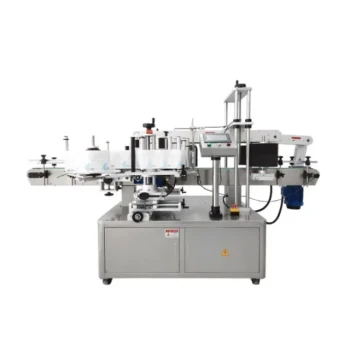
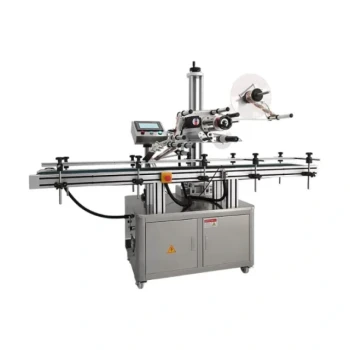
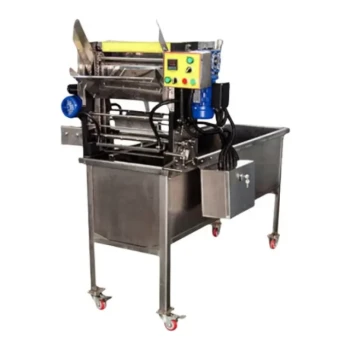
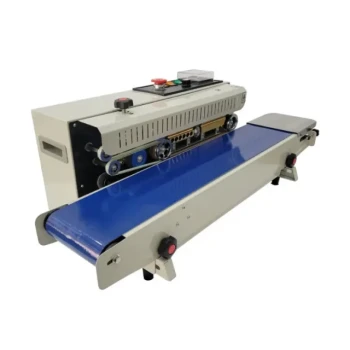
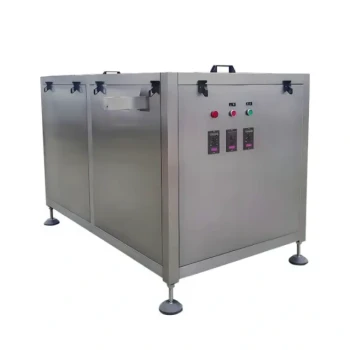
Multi-functional automated packaging machinery acts as the critical bridge between bulk raw material production and diverse retail market participation. By supporting a wide variety of wholesale and retail container sizes, these systems allow producers to rapidly adjust product forms to match specific market demands, enabling a pivotal shift from selling raw commodities to merchandising branded, finished goods.
Core Takeaway: Automated packaging transforms beekeeping from a low-margin volume trade into a high-value commercial enterprise. It provides the operational flexibility to package for different sectors while ensuring the strict standardization and hygiene required to enter high-end retail and international markets.
Transforming the Value Chain
Shifting from Material to Brand
Traditionally, producers selling raw honey leave significant profit margins on the table for intermediaries.
Automated machinery enables bottling and labeling at the source. This allows beekeepers to capture the full value of the distribution chain by selling a finished, branded product rather than a generic commodity.
Adapting to Market Demands
Market diversification requires agility. A producer may need to fulfill a bulk wholesale order one day and a boutique retail order the next.
Multi-functional machinery supports various container sizes and shapes. This versatility allows producers to pivot instantly between different market segments without requiring separate production lines for every SKU.
Ensuring Technical Compliance
Precision for Viscous Products
Honey is naturally viscous and hygroscopic (it absorbs moisture), making manual packaging difficult and inconsistent.
Industrial-grade machinery uses precision piston or weighing systems to ensure exact fill weights. Strict consistency is a prerequisite for entering institutional procurement systems, such as schools or large retail chains, which have zero tolerance for variance.
Preserving Chemical Integrity
To market organic honey as a premium product, its sensory and medicinal qualities must remain intact.
Automated filling lines significantly reduce the time honey is exposed to air. This control minimizes the increase of Hydroxymethylfurfural (HMF), a chemical marker that indicates heat damage or age, thereby preserving the honey's active ingredients and flavor profile.
Hygiene as a Market Gatekeeper
High-end markets and international export destinations (such as the US, UK, and Germany) enforce rigorous safety standards.
Automation minimizes human contact, virtually eliminating the risk of secondary contamination. This level of hygiene assurance is often the deciding factor in whether a producer can legally access lucrative export markets.
Understanding the Trade-offs
Complexity of Maintenance
While automation solves labor volume limitations, it introduces mechanical complexity.
Producers must account for the need for skilled technical maintenance. A breakdown in a highly automated line can halt production entirely, unlike manual labor where one absence is manageable.
Capital Investment vs. Volume
High-precision machinery represents a significant upfront cost.
For extremely small producers with low output, the ROI may not justify the expense. Automation is most effective when the goal is to overcome the physical "volume ceiling" of manual labor to meet commercial-scale requirements.
Making the Right Choice for Your Goal
To leverage this technology effectively, assess your current business stage:
- If your primary focus is Market Expansion: Prioritize multi-functional machines that offer quick changeovers between container sizes to access both wholesale and retail channels simultaneously.
- If your primary focus is Premium/Export Quality: Invest in machinery with advanced hygiene controls and minimal air exposure features to meet strict HMF and safety standards.
- If your primary focus is Brand Building: Ensure your equipment supports high-quality labeling and creative packaging components to distinguish your product on the shelf.
By aligning your machinery choice with your target market, you convert your production line from a bottleneck into a strategic asset.
Summary Table:
| Strategic Factor | Impact of Automation on Honey Production | Market Advantage |
|---|---|---|
| Market Agility | Quick changeovers between container sizes and shapes | Serves both boutique retail and bulk wholesale |
| Value Capture | Enables on-site bottling, labeling, and branding | Captures full retail margins vs. low-margin raw sales |
| Quality Control | Precise filling weights and minimal air exposure | Ensures HMF compliance and preserves medicinal potency |
| Hygiene & Safety | Zero-touch processing and stainless steel construction | Meets strict international export and retail standards |
| Operational Scale | Overcomes manual labor volume ceilings | Enables commercial-scale distribution and growth |
Elevate Your Honey Brand with HONESTBEE Professional Solutions
Transitioning from raw commodity sales to a diversified retail brand requires the right technical partner. HONESTBEE specializes in empowering commercial apiaries and honey distributors with the high-performance machinery needed to scale.
Whether you need specialized honey-filling machines to ensure HMF compliance, advanced hive-making equipment to expand your infrastructure, or bespoke honey-themed merchandise to enhance your brand's cultural appeal, we provide the full spectrum of tools and consumables.
Ready to capture higher margins and access international markets? Contact HONESTBEE today for a comprehensive wholesale consultation and let us transform your production line into a strategic asset.
References
- Krisztina Melinda Dobay. TRANSITION TO SUSTAINABLE VALUE CHAINS AND AGRI-FOOD SYSTEMS THROUGH COLLECTIVE ACTIONS – EVIDENCE FROM ORGANIC BEEKEEPING. DOI: 10.59277/aerd.2023.1.08
This article is also based on technical information from HonestBee Knowledge Base .
Related Products
- Precision Automated Packaging Turntable Honey Spoon Filling Sealing Packing Machine
- Fully Automatic Honey Filling Packaging Machine for Processing Line
- Automatic Single-Dose Snap & Squeeze Honey Sachets Packing Machine
- Professional Durable Customizable Blister Packing Machine
- Pneumatic Double Nozzle Honey Filling Bottling Packaging Machine
People Also Ask
- Why is the use of professional filling and sealing packaging machinery necessary for the production of high-value honey?
- What role do automated filling and packaging machines play in the honey supply chain? Scale Your Retail Distribution
- What are the benefits of automated honey filling and packaging? Scale Your Apiary with Industrial Precision
- What role do professional automated filling and packaging machines play in honey processing? Boost Efficiency & Value
- How do automated honey filling and packaging machines contribute to the market value of honey products? Maximize Your ROI