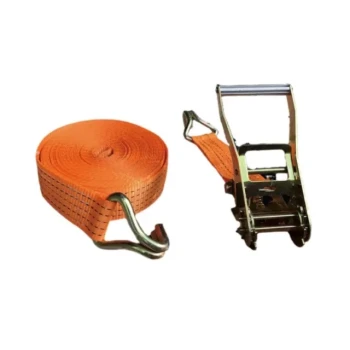
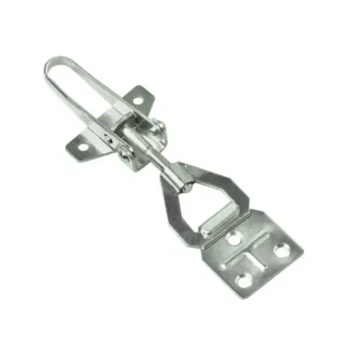
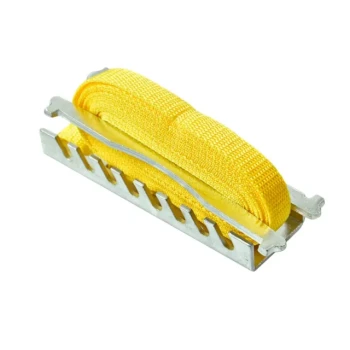
Professional transport equipment is the critical link between high-potential terrain and realized honey production. While Robinia pseudoacacia (Black Locust) grows in various environments, stands located in complex terrains—specifically gulches and slopes—offer significantly higher nectar potential than those on flat plains. Specialized transport and positioning machinery enable beekeepers to navigate these logistical hurdles, deploying colonies directly into rugged areas where microclimates maximize nectar secretion.
The yield potential of Robinia pseudoacacia is heavily influenced by topography, with research showing yields up to 345.5 kg/ha in complex terrain due to protection from wind and improved humidity. Professional transport equipment transforms this theoretical potential into actual harvest by making these difficult-to-access, high-yield zones operationally viable.
The Topographical Advantage of Robinia pseudoacacia
The Impact of Terrain on Microclimate
Robinia pseudoacacia is sensitive to environmental conditions. Research indicates that complex terrains, such as gulches and slopes, create specific microclimates that are superior to flat plains. These topographical features provide natural protection against dry winds and maintain higher humidity levels, which are essential for optimal nectar secretion.
Quantifying the Yield Differential
The difference in production is not marginal; it is substantial. Stands in these protected, complex terrains can achieve honey yields as high as 345.5 kg/ha. By contrast, stands on open plains often suffer from drier conditions and wind exposure, which can evaporate nectar or inhibit secretion, resulting in significantly lower harvest volumes.
The Role of Transport Logistics in Yield Optimization
Overcoming Accessibility Barriers
The primary challenge of leveraging complex terrain is accessibility. Standard vehicles often cannot reach the specific slopes or deep gulches where Robinia thrives. Professional beehive transport equipment is designed to traverse rugged landscapes, allowing beekeepers to place apiaries in the exact "sweet spots" identified by topographical analysis rather than settling for the edge of the road.
Precision Positioning for Energy Efficiency
Honey yield is a function of the energy bees expend versus the nectar they collect. By using specialized positioning equipment to place hives directly within the nectar source, you minimize the flight distance for foragers. This ensures that the colony's energy is spent on collection and storage rather than long-distance commuting.
Leveraging Migratory Flexibility
While primarily used for reaching specific Robinia sites, migratory equipment also allows for rapid adaptation. If local weather patterns shift or a specific microclimate underperforms, professional transport gear allows for the rapid relocation of colonies to better-positioned slopes, ensuring the short flowering window of Robinia is not wasted.
Enhancing Colony Efficiency Through Standardization
Reducing Biological Overhead
Once the hives are positioned in high-yield terrain, internal colony efficiency becomes the next bottleneck. Utilizing mechanically produced wax foundations provides a sturdy base that reduces the biological energy bees must expend on wax secretion. This allows the colony to redirect metabolic energy toward foraging in the high-abundance Robinia environment.
Standardized Hives for Rapid Management
Professional equipment extends beyond the vehicle to the hive itself. Standardized hive-making machines ensure uniform physical environments that facilitate rapid reproduction. In the context of a short, intense flow like Robinia, a colony that can reproduce and store honey in an organized, standardized manner will significantly outperform a disorganized one.
Understanding the Operational Trade-offs
The Cost-Benefit Calculation
While accessing gulches and slopes yields more honey, it requires a significant upfront investment in specialized transport machinery and standardized hive equipment. Producers must calculate if the yield increase (kg/ha) from difficult terrain covers the capital depreciation and maintenance of heavy-duty transport gear.
Operational Risks in Complex Terrain
Operating heavy machinery on slopes and in gulches introduces safety risks not present on flat plains. Even with professional equipment, the likelihood of mechanical failure or accidents increases in rugged topography. Beekeepers must balance the potential for maximum yield against the increased requirement for operator skill and safety protocols.
Making the Right Choice for Your Goal
To maximize your Robinia pseudoacacia harvest, align your equipment strategy with your specific topographical challenges.
- If your primary focus is Volume Maximization: Invest heavily in off-road transport and positioning capability to access the protected gulches and slopes where yields can reach 345.5 kg/ha.
- If your primary focus is Operational Efficiency: Prioritize standardized hive and foundation equipment to minimize bee energy expenditure and maximize the foraging effort once colonies are on-site.
The most successful producers combine precise topographical placement with standardized colony management to fully exploit the environmental advantages of rugged terrain.
Summary Table:
| Topography Type | Nectar Potential | Key Benefit | Equipment Requirement |
|---|---|---|---|
| Gulches & Slopes | High (Up to 345.5 kg/ha) | Wind protection & high humidity | Off-road transport & positioning gear |
| Flat Plains | Lower | Easy accessibility | Standard transport vehicles |
| Microclimates | Variable | Optimized secretion | Precise placement machinery |
Maximize Your Honey Yield with HONESTBEE Professional Solutions
As a commercial apiary or distributor, your success depends on reaching high-potential terrains and managing colonies with industrial precision. HONESTBEE provides the end-to-end equipment necessary to transform rugged landscapes into high-yield honey zones.
Our value to your business:
- Industrial Machinery: From hive-making machines to honey-filling systems that ensure standardization.
- Wholesale Equipment: A full spectrum of beekeeping tools and essential consumables designed for durability.
- Efficiency Gains: Reduce biological overhead and maximize forager energy with our precision-engineered hardware.
Ready to scale your commercial operations and capture the full potential of Robinia stands?
References
- I Samsonova, В. Н. Саттаров. Analysis of honey productivity of robinia (Robinia pseudoaca-cia L.) plantations in forest vegetation conditions of the steppe don region. DOI: 10.1088/1755-1315/574/1/012071
This article is also based on technical information from HonestBee Knowledge Base .
Related Products
- Plastic Transporting Bee Packages and Nuc Boxes for Beekeeping
- Durable Plastic Interlocking Hive Connector for Beekeeping
- Heavy Duty Ratchet Hive Strap
- High-Efficiency Pneumatic Bee Hive Making Machine for Rapid Box Assembly
- Heavy Duty Adjustable Hive Connector
People Also Ask
- What role do bee package boxes play in the commercial transport and expansion of honeybee colonies? - Logistic Essentials
- What are beekeeping boxes called? A Guide to Hive Bodies and Box Types
- How do standardized bee packages serve as a recovery mechanism for commercial beekeeping? Ensure Business Continuity
- What is the commercial value of using standardized bee packages? Drive Scalability in Large-Scale Apiaries
- Why is the timely introduction of high-quality bee packages critical? Save Your Apiary from Asian Hornet Invasions