Regular queen replacement using genetically certified stock is a foundational strategy for high-performance apiaries. By introducing new queens every 2 to 3 years, beekeepers actively boost colony resilience, drive higher foraging rates, and ensure stronger reproductive cycles. This proactive approach acts as a safeguard against population collapse, particularly during the critical overwintering months.
The core value of selective breeding lies in predictability and risk mitigation. Replacing queens with certified stock prevents the stagnation associated with aging colonies, significantly reducing winter losses and ensuring a robust population year-round.
Bolstering Colony Health and Resilience
Enhanced Disease Resistance
Using genetically certified stock is not just about pedigree; it is about biological defense. These queens are bred to produce offspring with superior immune systems.
This selective breeding results in colonies that are naturally more resistant to common diseases. It reduces the reliance on chemical interventions to keep the hive healthy.
Reducing Overwintering Mortality
The most significant threat to an apiary often occurs during the winter months. Colonies led by older queens frequently fail to survive the cold.
Regular replacement ensures the colony enters winter with a vigorous queen. This drastically reduces colony losses, protecting your investment and ensuring the hive is ready for spring.
Maximizing Productivity and Growth
Increasing Reproductive Rates
A queen's ability to lay eggs diminishes over time. A fresh queen on a 2 to 3-year cycle maintains peak reproductive rates.
High brood production is essential for maintaining a critical mass of workers. Without this constant replenishment, the colony cannot sustain the population required for heavy labor.
Boosting Foraging Activity
Colony productivity is a numbers game. A strong, healthy population directly correlates to increased foraging activity.
With more bees available to gather nectar and pollen, the apiary's overall output improves. This makes the hive more efficient at resource gathering compared to colonies with aging queens.
Understanding the Trade-offs
The Requirement of Active Management
Adopting this strategy requires moving away from a "hands-off" approach. It demands a commitment to a strict schedule of replacement every 2 to 3 years.
You cannot simply let the hive manage itself if you want these specific results. It requires tracking the age of every queen in your operation.
Dependence on Stock Quality
The benefits listed above are contingent on the quality of the replacement. The strategy relies entirely on the stock being genetically certified.
If the genetic stock is poor, the management effort will not yield the expected results. Sourcing is just as critical as the timing of the replacement.
Making the Right Choice for Your Apiary
To effectively apply this management strategy, consider your primary operational goals:
- If your primary focus is Colony Survival: Prioritize the 2-3 year replacement cycle to mitigate the high risk of colony collapse during overwintering.
- If your primary focus is Production: Focus on the reproductive benefits of certified stock to ensure maximum foraging activity and resource gathering.
By treating queen replacement as a mandatory maintenance protocol rather than an optional task, you ensure the long-term stability and productivity of your hives.
Summary Table:
| Key Performance Metric | Impact of Certified Queen Replacement | Frequency Recommended |
|---|---|---|
| Disease Resistance | Higher immunity through superior genetic defense | Every 2-3 Years |
| Winter Survival | Significant reduction in overwintering mortality | Every 2-3 Years |
| Reproductive Rate | Maintained peak brood laying for worker population | Every 2-3 Years |
| Honey Production | Increased foraging activity and resource gathering | Every 2-3 Years |
| Management Effort | Requires active scheduling and genetic sourcing | Constant Monitoring |
Maximize Your Apiary’s Potential with HONESTBEE
Maintaining a high-performance apiary requires more than just good management; it requires the right tools and infrastructure. HONESTBEE supports commercial apiaries and distributors with a complete range of professional beekeeping solutions. Whether you are scaling up your selective breeding program or optimizing honey production, we provide the essential equipment you need to succeed:
- Precision Machinery: Advanced honey-filling and hive-making machines to streamline your operations.
- Professional Tools: A full spectrum of beekeeping hardware and equipment for large-scale management.
- Consumable Supplies: Every essential industry consumable to keep your colonies thriving.
Ready to elevate your apiary performance? Contact HONESTBEE today to discuss our wholesale offerings and discover how our comprehensive portfolio can support your growth and efficiency.
References
- Clara Montagnin, Valentina Lorenzi. Preliminary study on the extention of the IT system ClassyFarm to the apiary. DOI: 10.21014/actaimeko.v13i2.1630
This article is also based on technical information from HonestBee Knowledge Base .
Related Products
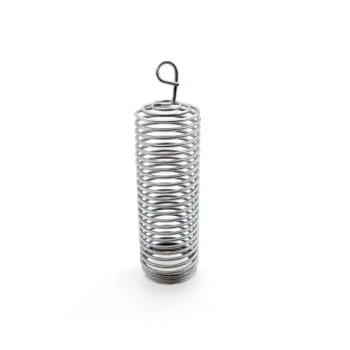
- Durable Galvanized Steel Spring Queen Bee Cage
- Portable Queen Bee Incubator with 12V Car Adapter for Safe Transport
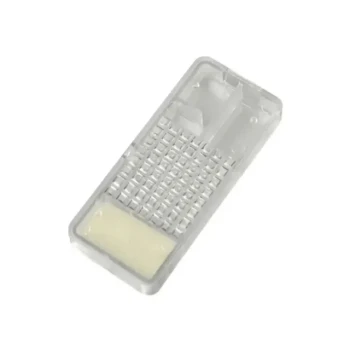
- Professional Queen Bee Introduction and Transport Cage
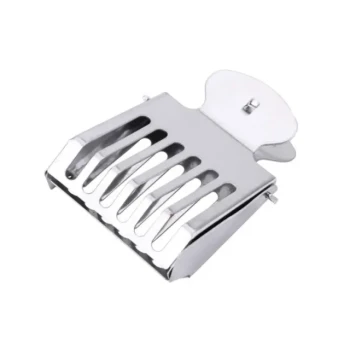
- Heavy Duty Stainless Steel Queen Bee Catcher Clip
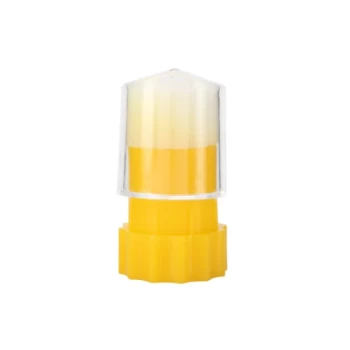
- Queen Bee Catcher Plastic Bee Marker Bottle with Piston Marking Tube
People Also Ask
- Why are specialized queen bee cages used for the banking of mated queen bees? Maximize Commercial Apiary Storage Efficiency
- What is the mechanism of action for using temporary queen bee cages? Master Successful Queen Introduction
- What is the step-by-step process for installing a queen bee's cage onto a frame? Ensure Hive Acceptance Safely
- What is the optimal placement for a queen bee cage? Essential Strategies for Successful Re-queening
- What are the advantages and disadvantages of introducing a queen bee by embedding the cage? Boost Your Queen Acceptance