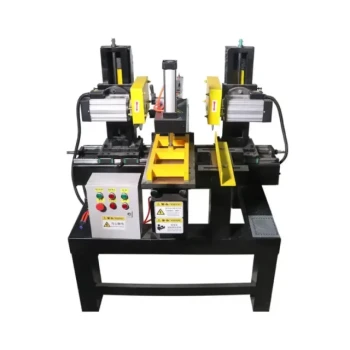
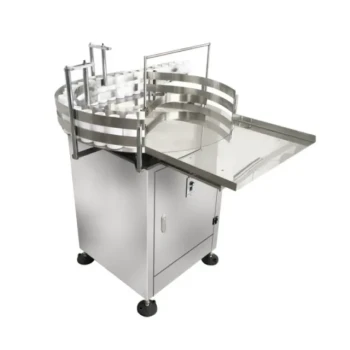
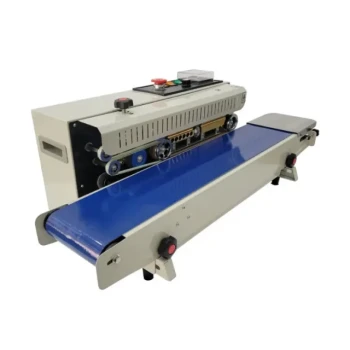
Specialized small-scale manufacturing equipment empowers localized apiary operations to produce customized hive components that align precisely with specific bee strains and regional climates. By fabricating parts in-house, producers can enforce precise dimensions that minimize burr comb, significantly reducing maintenance costs while boosting the operational efficiency of breeding programs.
Generic equipment often fails to address the nuances of regional microclimates or specific genetic traits. Integrating manufacturing capabilities allows operations to enforce strict standardization and customization, effectively bridging the gap between biological needs and operational efficiency.
Customization for Biological and Environmental Context
Adapting to Local Bee Traits
Standard commercial hive parts are designed for the "average" bee, which may not suit specific local strains. Using small-scale manufacturing equipment allows queen bee producers to fabricate frames and boxes tailored to the unique behaviors of their stock. This is particularly useful for accommodating specific cluster sizes or comb-building tendencies inherent to local genetics.
Climate-Specific Design
Off-the-shelf equipment may lack the durability or insulation properties required for extreme local weather. In-house manufacturing enables the creation of components using materials or thicknesses that withstand specific regional environmental characteristics. This ensures the equipment lasts longer and provides better protection for the colony.
Operational Efficiency through Precision
Preserving the "Bee Space"
One of the most critical aspects of hive management is maintaining the correct "Bee Space" (the precise gap bees leave between combs). Industrial-grade cutting and molding machinery ensures high-precision processing, guaranteeing that every component meets these exact specifications. This precision prevents bees from building irregular burr combs, which bridge frames together and complicate management.
Reducing Maintenance Overhead
When hive components are manufactured with high precision, the need for manual scraping and cleaning is drastically reduced. Minimizing burr comb production directly lowers the labor intensity required during inspections. This allows breeders and apiarists to focus on colony health rather than infrastructure maintenance.
Enhancing Breeding Program Logistics
Standardization and Interchangeability
For a breeding program to scale effectively, every frame and box must be perfectly interchangeable. Specialized machinery ensures uniform specifications across all manufactured parts, facilitating seamless equipment rotation. This standardization supports the transition from traditional methods to more modern, industrial-scale management techniques.
Rapid Infrastructure Deployment
Local operations often need to respond quickly to seasonal flowering windows or sudden expansion needs. Efficient construction tools shorten the cycle required to deploy new infrastructure. This agility allows producers to capture optimal production windows that might otherwise be missed while waiting for external suppliers.
Understanding the Trade-offs
The Capital vs. Labor Shift
While manufacturing equipment reduces the manual labor of hive maintenance, it introduces a new capital requirement. Operators must balance the upfront cost of machinery against the long-term savings in labor and equipment replacement. Small operations must ensure their volume justifies the investment in specialized manufacturing tools.
Operational Complexity
Owning manufacturing equipment requires a skillset distinct from beekeeping. The operation becomes a hybrid of biology and light industrial manufacturing, requiring maintenance of the machinery itself. Operators must be prepared to manage both the bees and the production line that supports them.
Making the Right Choice for Your Goal
To determine if specialized manufacturing equipment is the right investment, consider your primary operational objectives:
- If your primary focus is Genetic Breeding: Prioritize precision machinery that ensures exact Bee Space to minimize colony disturbance and burr comb during frequent inspections.
- If your primary focus is Regional Adaptation: Focus on equipment that allows for material customization to create durable hives suited to your specific climate and vegetation zones.
- If your primary focus is Rapid Expansion: Look for automated woodworking tools that maximize the speed of production to meet seasonal deployment deadlines.
Investing in the right manufacturing infrastructure transforms beekeeping from a manual craft into a scalable, biologically optimized science.
Summary Table:
| Benefit Category | Key Advantages | Operational Impact |
|---|---|---|
| Biological Adaptation | Custom frames for local bee strains | Improved colony health and natural behavior |
| Climate Resilience | Material and thickness customization | Enhanced durability against regional weather |
| Precision Engineering | Maintenance of exact "Bee Space" | Drastic reduction in burr comb and scraping labor |
| Logistics & Scaling | Uniform, interchangeable components | Faster infrastructure deployment and seamless rotation |
| Economic Efficiency | In-house fabrication capabilities | Lower long-term maintenance and replacement costs |
Elevate Your Apiary with HONESTBEE Precision Solutions
At HONESTBEE, we understand that commercial success in beekeeping requires a perfect synergy between biological expertise and industrial efficiency. We cater specifically to commercial apiaries and distributors, providing a comprehensive wholesale range that includes everything from hive-making machinery and honey-filling equipment to specialized hardware and essential consumables.
Whether you are looking to standardize your breeding program or scale your distribution network, our high-precision tools ensure you maintain the perfect 'Bee Space' while reducing operational overhead. Let us help you transform your beekeeping operation into a scalable, high-performance enterprise.
Ready to optimize your production? Contact us today to explore our wholesale equipment solutions!
References
- Elizabeth M. Walsh, Juliana Rangel. Local Honey Bee Queen Production and Quality. DOI: 10.1080/0005772x.2016.1211501
This article is also based on technical information from HonestBee Knowledge Base .
Related Products
- Economy Small Scale Honey Dryer Dehumidifier Thickening Machine
- Mini Desktop Bee Hive Frame Forming Making Machine
- Beehive Machine Double End Saw for Precision Hive Component Manufacturing
- HONESTBEE Top Bar & Bottom Bar Forming Machine | Bee Frame Machine
- Economy Manual Beeswax Embossing Mill Wax Foundation Machine Roller
People Also Ask
- What are the benefits of using a honey dryer for honey production? Boost Yield & Quality
- What are the features of the honey dryer? Achieve Premium Quality & Maximize Your Harvest
- What are the key features of the honey dryer? Essential Guide to Advanced Moisture Reduction Technology
- What is the primary construction material of the honey dryer? Durable AISI 304 Stainless Steel for Beekeepers
- How does the design of some honey dryers achieve high drying efficiency without a vacuum system? Boost Your Productivity