Specialized transport equipment acts as the logistical backbone of migratory beekeeping. It enables the rapid, safe relocation of hives between varying altitudes and vegetation zones to align with specific flowering seasons. By providing the necessary ventilation and structural stability during transit, these vehicles minimize colony loss and allow bees to immediately begin foraging upon arrival, directly increasing total honey yield per hive.
The core value of specialized transport is its ability to decouple honey production from local seasonal limitations. By facilitating movement to follow geographic bloom cycles, beekeepers can turn a single harvest season into a continuous production cycle.
Optimizing the Production Cycle
Extending the Foraging Window
The primary efficiency driver in migratory beekeeping is the ability to overcome the limitations of a single local flowering period. Specialized transport allows beekeepers to follow plant phenology, moving hives to new regions as different floral sources begin to bloom. This ensures colonies are constantly exposed to resource-rich environments rather than enduring periods of local scarcity.
Leveraging Geographic Variations
Efficiency is maximized by utilizing vertical migration between altitudes. Equipment capable of navigating diverse terrains allows beekeepers to move hives from lowlands to highland nectar sources. This strategy takes advantage of delayed blooming at higher elevations, effectively doubling or tripling the active collection season.
Maximizing Yield per Hive
The direct result of this extended access to flora is a significant increase in production. By maintaining colonies in high-quality nectar flows—such as Rosemary or Eucalyptus—beekeepers can achieve substantially higher yields. Data suggests this mobility can raise the average yield to approximately 60 kg per hive, far exceeding stationary beekeeping benchmarks.
Ensuring Colony Viability During Transit
Critical Ventilation and Climate Control
Moving thousands of bees creates immense heat; without specialized equipment, colonies risk suffocation or heat stress. Dedicated transport vehicles are designed with ventilation systems that maintain airflow through the hives. This prevents the colony from overheating during long-distance travel, ensuring they arrive in viable condition.
Structural Stability and Load Security
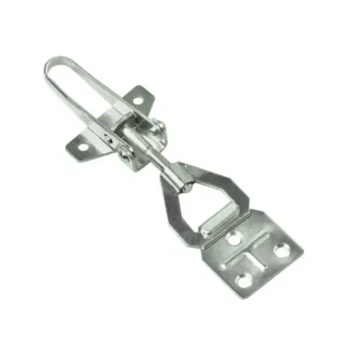
Physical stress during transit can damage honeycombs and agitate the colony, delaying their return to foraging. Specialized trailers utilize securing devices and suspension systems designed to minimize vibration and shock. This stability preserves the physical integrity of the hive, allowing bees to resume work immediately upon unloading.
Rapid Deployment Logistics
Efficiency is also measured in loading and unloading times. Specialized loading vehicles and trailers streamline the physical movement of heavy hives. This reduces the labor required per migration and shortens the time bees are confined, further reducing stress on the colony.
Understanding the Trade-offs
Managing Biological Stress
While specialized equipment reduces mortality, the act of migration still imposes environmental stress on the bees. Frequent movement disturbs the colony's natural rhythm. Beekeepers must balance the pursuit of yield with the biological toll of transport.
The Necessity of Monitoring
To maintain efficiency, transport equipment must be paired with professional monitoring tools. These tools track colony health during and after moves to ensure that the stress of relocation does not negate the benefits of accessing better nectar sources.
Making the Right Choice for Your Goal
To maximize the return on investment in migratory beekeeping, align your equipment strategy with your operational priorities:
- If your primary focus is maximizing volume: Prioritize equipment that allows for rapid, high-capacity movement to chase peak bloom cycles, aiming for the 60 kg/hive benchmark.
- If your primary focus is colony longevity: Invest in transport vehicles with advanced suspension and ventilation systems to minimize physical and thermal stress during transit.
Success in migratory beekeeping relies not just on where you move, but on the capability of your equipment to deliver healthy, ready-to-work colonies to the destination.
Summary Table:
| Key Feature | Impact on Efficiency | Benefit to Beekeepers |
|---|---|---|
| Advanced Ventilation | Prevents colony overheating | Reduces mortality rates during long-distance transit |
| Structural Stability | Minimizes vibration and comb damage | Bees resume foraging immediately upon arrival |
| High-Capacity Loading | Streamlines rapid deployment | Lowers labor costs and optimizes bloom cycle timing |
| Vertical Mobility | Accesses diverse altitudes/terrains | Extends the foraging window for continuous production |
Scaling Your Apiary Operations with HONESTBEE
Maximize your honey production and minimize colony loss with professional-grade logistics. HONESTBEE provides commercial apiaries and distributors with high-performance beekeeping tools, specialized hive-making machinery, and robust transport solutions designed for the rigors of migratory beekeeping. From honey-filling machines to essential industry consumables, our comprehensive wholesale offering is built to support your growth.
Ready to upgrade your fleet and equipment? Contact us today to discover how our specialized hardware can transform your production cycle and increase your yield per hive.
References
- Alperen Varalan, Mustafa Bahadır ÇEVRİMLİ. Kars İlinde Arıcılık İşletmelerinin Sosyo-Ekonomik Yapısı Üzerine Bir Araştırma. DOI: 10.47027/duvetfd.1330239
This article is also based on technical information from HonestBee Knowledge Base .
Related Products
- Plastic Transporting Bee Packages and Nuc Boxes for Beekeeping
- Yellow Plastic Bucket Pail Perch for Beekeeping
- Lightweight Aluminum Frame Grip
- Durable Galvanized Steel Frame Grip
- Multi-Function Plier-Style Frame Grip Hive Tool
People Also Ask
- What role do bee package boxes play in the commercial transport and expansion of honeybee colonies? - Logistic Essentials
- What are beekeeping boxes called? A Guide to Hive Bodies and Box Types
- How do standardized bee packages serve as a recovery mechanism for commercial beekeeping? Ensure Business Continuity
- What is the commercial value of using standardized bee packages? Drive Scalability in Large-Scale Apiaries
- Why is the timely introduction of high-quality bee packages critical? Save Your Apiary from Asian Hornet Invasions