The alignment of reinforcement wires within a beehive frame is the decisive factor governing the internal structure of the honeycomb cells. Specifically, a precise centered alignment positions the wire directly through the middle of the cell base, effectively guaranteeing that developing larvae will physically contact the metal reinforcement.
The geometry of wire placement is not merely a structural concern; it fundamentally alters the biological environment of the hive. Centered alignment maximizes the probability of larvae touching the wire, a variable that must be optimized to ensure high brood rearing quality and larval survival rates.
The Mechanics of Cell Distribution
Determining the Pattern
The alignment of the wire does not just affect a single row of cells; it dictates the distribution pattern of affected cells across the entire foundation.
Every shift in alignment changes which specific cells contain the reinforcement material.
The Consequence of Centered Wires
When a wire is aligned with precise centering, it passes through the exact middle of the cell structure.
This geometric configuration maximizes the exposure of the cell's interior to the reinforcement material.
Implications for Brood Health
Increased Metal Contact
The primary result of centered alignment is a significantly increased probability of direct contact between the larvae and the metal wire.
Because the wire sits in the middle of the cell, the developing brood cannot avoid interaction with the material.
Impact on Larval Survival
The reference indicates a direct correlation between wire alignment and colony health metrics.
Optimizing this alignment is significant for improving brood rearing quality and overall larval survival rates, implying that unmanaged contact with reinforcement materials may be detrimental.
Understanding the Trade-offs
Mechanical Precision vs. Biological Needs
While centering a wire may seem like the logical choice for structural symmetry, it creates a specific challenge for the biological inhabitants of the comb.
The "perfect" mechanical position (dead center) often results in the highest proportion of "affected" cells where the larvae must develop against the metal.
The Necessity of Optimization
Beekeepers should not assume that a standard centered alignment is automatically the most beneficial configuration.
The process requires optimization, meaning the alignment should be adjusted to control and perhaps minimize the proportion of cells where the wire interferes with the larval resting place.
Making the Right Choice for Your Goal
If your primary focus is Brood Health:
- Prioritize frames where the wire alignment has been optimized to reduce the proportion of cells where larvae must rest directly against the metal.
If your primary focus is Equipment Selection:
- Evaluate foundation manufacturing not just on structural rigidity, but on how the wire distribution pattern impacts the cell capability for rearing.
By recognizing that wire alignment is a biological variable rather than just a construction detail, you can select equipment that actively supports the developmental needs of your colony.
Summary Table:
| Factor | Centered Alignment Impact | Biological Significance |
|---|---|---|
| Cell Geometry | Wire passes through the exact middle of the cell base | Dictates distribution pattern of affected cells |
| Larval Contact | Maximum probability of direct physical contact with metal | Critical variable for brood rearing quality |
| Survival Rate | High exposure to reinforcement materials | Direct correlation to overall colony health metrics |
| Key Priority | Mechanical symmetry and structural rigidity | Requires optimization to minimize larval interference |
Elevate Your Apiary with Precision Engineering
At HONESTBEE, we understand that the smallest structural details—like wire alignment—can make a significant difference in brood health and honey production. We provide commercial apiaries and distributors with high-quality beekeeping tools and machinery designed to optimize every aspect of the hive.
Why partner with HONESTBEE?
- Comprehensive Wholesale Range: From specialized hive-making and honey-filling machines to essential consumables.
- Built for Professionals: Our equipment is engineered for durability and biological optimization, ensuring your colony thrives.
- Global Distribution: We supply the full spectrum of hardware and honey-themed cultural merchandise to meet all industry needs.
Ready to upgrade your beekeeping operations with industry-leading equipment? Contact us today to explore our wholesale solutions!
References
- Kaira Wagoner, Olav Rueppell. Effects of steel foundation wire on elemental content and hygienic removal of honey bee (<i>Apis mellifera</i>) brood. DOI: 10.1080/00218839.2017.1294525
This article is also based on technical information from HonestBee Knowledge Base .
Related Products
- Stainless Steel Bee Hive Frame Wire for Beekeeping
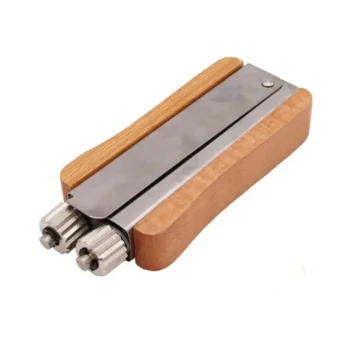
- Professional Bee Frame Wiring Tool with Integrated Tensioning System by HONESTBEE
- HONESTBEE Wired and Assembled Wooden Bee Frames Foundation for a Thriving Hive
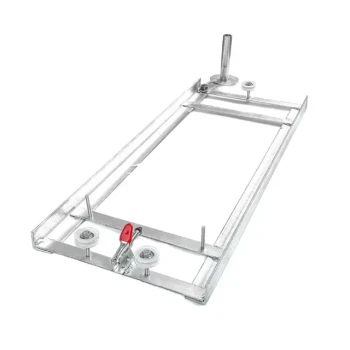
- HONESTBEE Durable Frame Wiring Board with Integrated Tensioner
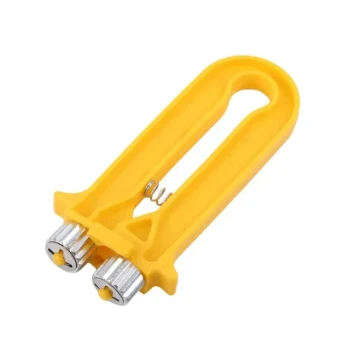
- HonestBee Ergonomic Frame Wire Crimper with Plastic Handles and Metal Gears Choice
People Also Ask
- What are the arguments for and against wiring beehive frames? Balance Durability and Management Flexibility
- What are the drawbacks of wiring beehive frames? Key Limitations and Structural Trade-offs Revealed
- How is the wire secured at the top of the frame? A Guide to Locking in Tension for Strong Honeycomb
- What factors determine the amount of wiring needed in beehive frames? Tailor Your Strategy for Your Climate
- What tools are needed to wire a beehive frame? Essential Equipment for Durable Frame Construction