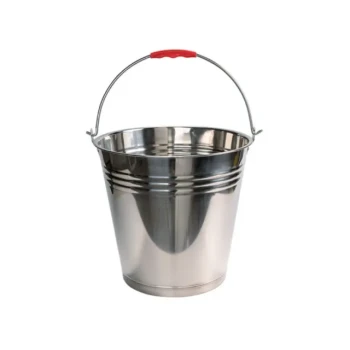
The selection of filtering and storage hardware is a critical determinant of profitability in the honey market. Proper equipment enables beekeepers to isolate distinct floral sources, remove physical impurities, and preserve biological activity. This directly influences the final grading of the product, allowing producers to meet the strict clarity and flavor profile requirements of high-paying buyers.
The capability to produce premium, single-origin honey relies on high-standard post-processing equipment that balances rigorous purification with the preservation of natural sensory characteristics, effectively bridging the gap between raw nectar and a high-value commercial product.
Preserving the Identity of Floral Sources
The Value of Single-Origin Integrity
Honey produced from different plants varies significantly in color, flavor, and crystallization speed. To command a premium price, you must maintain the purity of these specific floral sources (monofloral honey).
Preventing Cross-Contamination
Professional-grade storage containers are essential for segregating harvests. They prevent the accidental mixing of nectars, which would otherwise dilute unique flavor profiles and result in a generic, lower-value "table honey."
Controlling Crystallization
Because different floral sources crystallize at different rates, specialized storage allows for better management of this process. Proper containment helps maintain the texture buyers expect for specific varieties.
The Role of Filtration in Valuation
Achieving Visual Clarity
Consumer preference leans heavily toward clear, debris-free honey. High-precision filtration equipment efficiently separates wax debris, bee fragments, and larvae without stripping the honey of its essence.
Increasing Commercial Grade
Industrial-grade equipment removes air bubbles and fine impurities that manual methods often miss. This creates a polished, transparent product that meets the aesthetic standards required for formal retail distribution.
Meeting Export Standards
To enter international markets, honey must meet rigorous purity benchmarks. Advanced processing equipment ensures consistency and hygiene, allowing producers to pass safety inspections and access lucrative export channels.
Biological Integrity and Economics
Retaining Active Components
High-standard equipment is designed to filter honey without destroying its biological value. Preserving the original enzymes and nutritional components is vital for marketing the product as "premium" or "raw."
Ensuring Consistency
Automated filling and batch management systems ensure that every jar meets the same hygiene and volume standards. This consistency builds trust with wholesalers and distinguishes professional operations from amateur productions.
Understanding the Trade-offs
The Risk of Over-Filtration
While clarity drives price in supermarkets, ultra-filtration can remove pollen, which is necessary to verify the floral origin of the honey. Removing all pollen turns the product into generic sweetener, potentially lowering its value in boutique or health-conscious markets.
The Cost of Under-Processing
Insufficient filtration leaves physical contaminants like wax or bee parts in the final product. While this is the most "natural" state, it is generally unacceptable for mainstream retail and will limit your market to local, informal sales.
Heat vs. Flow
Some equipment uses heat to speed up filtration. While efficient, excessive heat destroys biological activity (enzymes). You must balance processing speed with temperature control to maintain the "raw" premium status.
Making the Right Choice for Your Goal
To maximize market value, your equipment choice must align with your target demographic.
- If your primary focus is the Premium Health Market: Prioritize equipment that offers "coarse" filtration to remove debris while retaining pollen and enzymes to justify "raw" and "single-origin" price premiums.
- If your primary focus is Mass Retail or Export: Invest in industrial-grade, high-precision filtration and automated filling systems to ensure maximum clarity, shelf stability, and compliance with international hygiene standards.
Ultimately, the right processing equipment converts a raw agricultural commodity into a standardized, high-value asset.
Summary Table:
| Equipment Type | Impact on Market Value | Best For... |
|---|---|---|
| Professional Storage | Prevents cross-contamination; maintains single-origin purity. | Premium Monofloral Honey |
| High-Precision Filtration | Removes impurities/bubbles for superior visual clarity. | Mass Retail & Export Markets |
| Coarse Filtration Systems | Preserves pollen and enzymes for higher price premiums. | Raw & Health-Conscious Markets |
| Automated Filling Lines | Ensures volume consistency and professional hygiene standards. | Commercial Distributors |
| Temperature-Controlled Units | Prevents heat damage to biological activity and enzymes. | High-End Artisanal Brands |
Scale Your Honey Business with HONESTBEE
At HONESTBEE, we understand that the right equipment is the difference between a raw commodity and a premium asset. We provide commercial apiaries and distributors with a comprehensive range of professional tools—from specialized hive-making and honey-filling machines to advanced filtration systems and essential consumables.
Whether you are aiming for the boutique health market or large-scale international export, our wholesale solutions are designed to preserve the biological integrity and visual appeal of your harvest. Contact us today to discover how our industry-leading machinery and cultural merchandise can enhance your brand value and operational efficiency.
References
- Sara M. Galbraith, Nilsa A. Bosque‐Pérez. Local ecological knowledge reveals effects of policy-driven land use and cover change on beekeepers in Costa Rica. DOI: 10.1016/j.landusepol.2017.08.032
This article is also based on technical information from HonestBee Knowledge Base .
Related Products
- Stainless Steel Honey Storage and Settling Tank with Double Strainer
- Electric Double Wall Honey Filtering Machine Purifier Equipment for Honey Processing Plant
- Professional Honey Storage Tank with Agitation System
- Stainless Steel Honey Storage Tank with Lid for Honey
- 0.5T Capacity Honey Dehumidifier Dryer with Vacuum Heating and Thickening Filtering Machine
People Also Ask
- What economic role do honey storage tanks play? Boost Your Revenue Through Strategic Inventory Management
- What roles do industrial honey storage tanks and filtration meshes play in processing? Ensure Purity & Consistency
- What is the purpose of a honey storage tank? Streamline Your Honey Processing for Quality & Efficiency
- What role do settling tanks play in honey production? Achieve Pure, High-Clarity Honey Naturally
- Why are large settling tanks used in the honey clarification process? Achieve Natural Purity & Batch Consistency