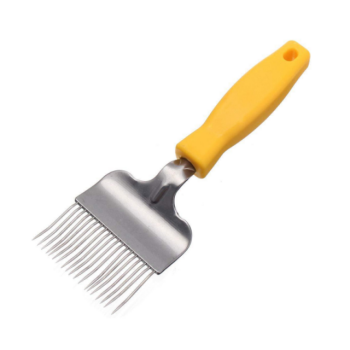
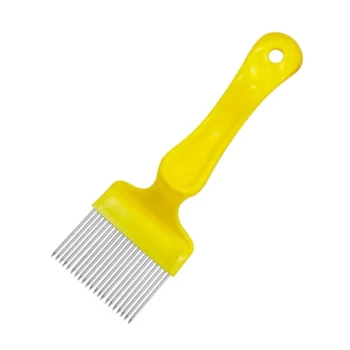
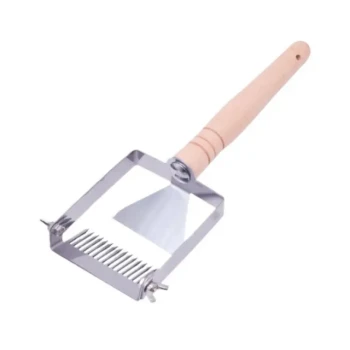
The design of comb rake blades addresses the two critical challenges of drying bee pollen: moisture retention and physical fragility. By combining a specific tooth pitch with reciprocating motion, these blades agitate the material deep within the bed to prevent clumping while remaining gentle enough to preserve the integrity of individual pollen granules.
Successful bee pollen drying requires a balance between aggressive moisture removal and delicate handling. The comb rake blade system achieves this by ensuring uniform air exposure for bottom layers through deep turning, while high-frequency motion prevents sticky, high-moisture pollen from adhering together during the critical early drying phases.
The Mechanics of Efficient Pollen Drying
The Function of Specific Tooth Pitch
The physical geometry of the blade—specifically the tooth pitch—is engineered to manage the depth of the material bed. This design allows the blades to penetrate deep into the pollen pile to turn the bottom layers upward.
By circulating the material from the bottom to the top, the system ensures that the most distinct moisture traps receive adequate air circulation. Crucially, the specific pitch creates enough spacing to turn the pile without crushing the delicate granules, preserving the commercial and nutritional value of the pollen.
The Role of Reciprocating Motion
Fresh bee pollen typically has high moisture content, making it prone to sticking together. The reciprocating motion of the blades counters this by constantly shifting the material's position.
This back-and-forth movement is particularly vital during the early stages of drying. It prevents the pollen from fusing into clumps or "cakes," ensuring the material remains free-flowing.
Achieving Uniform Air Penetration
To dry large quantities effectively, hot air must contact every individual granule. The system employs high-frequency scraping and mixing to break up the material bed continuously.
This constant agitation allows hot air to uniformly penetrate even thick layers of material. Consequently, this enables high-capacity output (such as 50kg per batch) because the system does not rely on passive surface drying, but rather active, volumetric drying.
Understanding the Trade-offs
Mechanical Complexity
While effective, utilizing a system with reciprocating motion introduces more moving parts than a static tray dryer. This inevitably requires a stricter maintenance schedule to ensure the frequency of the scraping and the alignment of the blades remain precise over time.
Potential for Over-Agitation
The system is designed to be gentle, but it is still a mechanical process. If the reciprocating motion continues vigorously after the pollen is fully dried and brittle, there is a theoretical risk of attrition or dusting. Operators must monitor the process to stop agitation once the target moisture content is reached.
Making the Right Choice for Your Goal
To maximize the benefits of comb rake blade technology, align your operation with the specific advantages it offers:
- If your primary focus is product quality: Rely on the specific tooth pitch to turn the material gently, ensuring the granules remain whole and visually appealing without suffering crushing damage.
- If your primary focus is production volume: Leverage the reciprocating motion to dry thick layers of material (up to 50kg batches), as the active mixing prevents moisture pockets that would otherwise slow down processing.
By utilizing this specific blade design, you transform a passive drying process into an active, high-efficiency operation that respects the fragility of the raw material.
Summary Table:
| Feature | Mechanical Function | Key Benefit for Bee Pollen |
|---|---|---|
| Specific Tooth Pitch | Deep penetration and bottom-up circulation | Prevents crushing while ensuring uniform air exposure |
| Reciprocating Motion | Constant back-and-forth shifting | Prevents moisture-rich pollen from clumping or caking |
| High-Frequency Scraping | Continuous material bed agitation | Enables high-capacity volumetric drying (up to 50kg/batch) |
| Gentle Turning | Optimized mechanical geometry | Preserves the physical integrity and value of delicate granules |
Elevate Your Pollen Processing with HONESTBEE
Are you looking to scale your production without compromising the delicate quality of your bee pollen? HONESTBEE specializes in serving commercial apiaries and distributors with professional-grade machinery designed for precision.
Our advanced pollen drying solutions utilize optimized comb rake technology to ensure high-capacity output and superior granule integrity. Beyond drying, we provide a full spectrum of beekeeping tools, hive-making machines, and honey-filling equipment to streamline your entire operation.
Ready to optimize your yield? Contact our experts today to discuss how our wholesale equipment and specialized hardware can drive your business forward.
References
- Nguyen Hay, Vo Tan Phuong. Novel Solution for High Efficiency Bee Pollen Heat Pump Dryer. DOI: 10.31080/asmi.2020.03.0687
This article is also based on technical information from HonestBee Knowledge Base .
Related Products
- Professional Wide Blade Honey Scraper for Beekeeping and Honey Processing
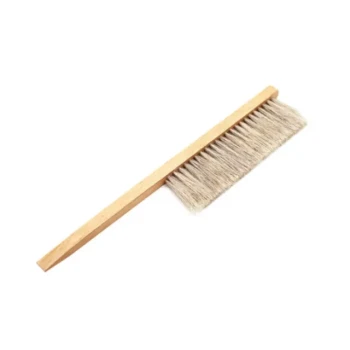
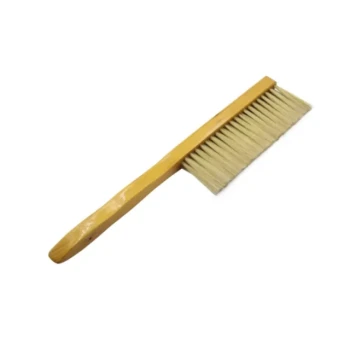
- Wooden Bee Brush with Double-Row Horsehair Bristles
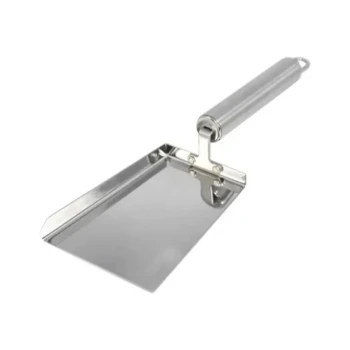
- Heavy-Duty Ergonomic Stainless Steel Pollen Shovel
- Heavy-Duty Ergonomic Grip Galvanized Pollen Shovel
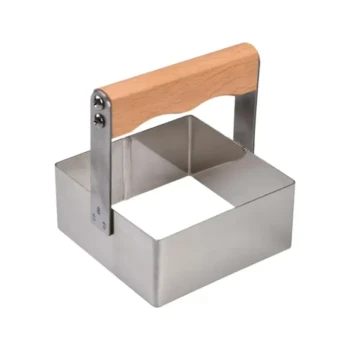
- Heavy Duty Stainless Steel Honeycomb Cutter
People Also Ask
- What tools and machinery are essential to resolve common operational constraints such as equipment shortages and improper honey harvesting? Discover the complete honey-harvesting equipment lineup for commercial apiaries and distributors.
- How does environmental temperature control influence the efficiency of honey scraping equipment? Optimize Your Flow
- What operational considerations are critical during honey harvesting, and how do specialized honey processing tools add value to the final product? Optimize Quality and Yield
- What are the core functions of a honey processor? Master Moisture Control and Purification for Quality Honey
- What are the technical requirements for beekeeping equipment used in the production of comb honey compared to filtered honey?