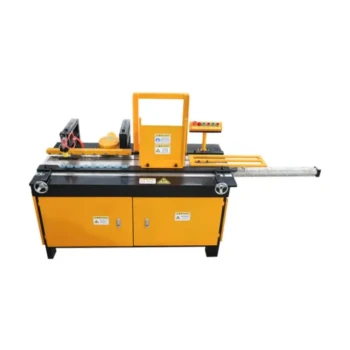
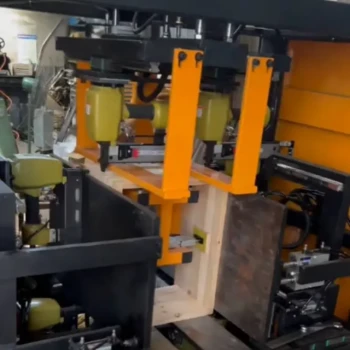
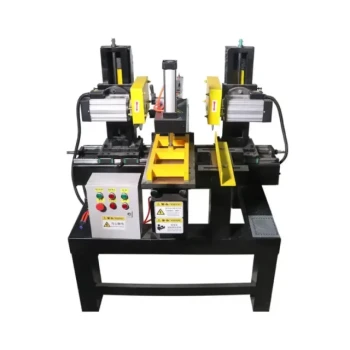
Professional hive-making machinery acts as a critical lever for forest conservation by radically improving material efficiency and equipment longevity. By utilizing high-precision cutting and forming processes, these tools minimize the volume of raw timber and bamboo required to produce each unit compared to manual construction. Additionally, the superior structural durability of machine-made hives extends their operational lifespan, directly reducing the frequency of replacement and easing the aggregate pressure on forest resources.
The transition to automated manufacturing shifts beekeeping from a resource-intensive craft to a sustainable industrial process. By optimizing raw material use and eliminating the destructive practices associated with traditional honey hunting, professional machinery aligns commercial scalability with the preservation of primary forest habitats.
Optimizing Raw Material Consumption
Precision Over Approximation
Traditional manual hive construction often involves significant material wastage due to lack of precision. Professional machinery utilizes high-precision manufacturing to optimize the yield from every log or bamboo culm.
Reduction of Volumetric Demand
By ensuring exact cuts and standardized dimensions, machinery reduces the volume of wood required per unit. This efficiency allows producers to manufacture more hives from the same amount of timber, lowering the immediate demand on local forests.
Utilization of Alternative Inputs
Standardized machinery is not limited to virgin timber; it facilitates the processing of sustainable or waste materials. This capability allows communities to repurpose wood byproducts rather than harvesting fresh trees for hive construction.
Enhancing Durability to Reduce Replacement Rates
The Role of Structural Integrity
Machine-processed joinery ensures a tight fit and interchangeability of components like frames and bottom boards. This structural rigidity prevents the gaps and warping common in handmade hives, which often lead to premature failure.
Weatherproofing and Pest Resistance
Precision manufacturing creates a physical barrier that prevents water leakage and pest entry. By protecting the colony and the wood itself from forest humidity and decay, the hive maintains its integrity for years rather than seasons.
Lowering Long-Term Resource Extraction
The correlation between durability and conservation is direct. Because machine-made hives withstand complex forest climates longer, the cycle of obsolescence slows down, significantly reducing the number of trees that must be felled over time for repairs or replacements.
Shifting from Extraction to Management
Eliminating Destructive Honey Hunting
In many regions, traditional honey harvesting involves felling trees or using fire to access wild colonies, causing physical destruction to primary forests. Accessible hive-making machinery provides a structured alternative, encouraging the establishment of permanent apiaries.
Standardized Management
Automated production enables the rapid creation of standardized hardware. This standardization supports consistent management practices, allowing beekeepers to maintain colonies efficiently in fixed locations rather than exploiting wild resources across vast forest areas.
Understanding the Trade-offs
The Risk of Over-Expansion
While machinery saves wood per unit, it also enables rapid production capability. If not managed correctly, this can lead to an overpopulation of hives that outstrips the nectar carrying capacity of the local forest, potentially stressing native pollinator populations.
Material Dependency
Machinery requires consistent raw materials to operate efficiently. There is a risk that industrial operations may favor specific timber species for ease of processing, potentially driving demand for those specific trees if sustainable or waste wood sources are not prioritized.
Capital vs. Labor
Implementing this machinery shifts the input from local labor to capital investment. While this preserves forests, it requires an upfront economic commitment that may be difficult for smaller, traditional communities to absorb without external support or cooperative models.
Making the Right Choice for Your Goal
To maximize the conservation impact of your hive manufacturing strategy, consider the following:
- If your primary focus is forest preservation: Prioritize machinery that is compatible with waste timber or fast-growing bamboo to decouple your operation from primary forest logging.
- If your primary focus is operational longevity: Invest in equipment that offers the highest precision in joinery and weather-sealing, as this will minimize the wood required for future repairs.
- If your primary focus is community transition: Use the machinery to produce standardized frames that replace destructive honey hunting with sustainable apiary management.
Professional hive-making machinery is not just a tool for production; it is a mechanism for extending the lifecycle of wood products and protecting the forest ecosystem that sustains the bees.
Summary Table:
| Conservation Mechanism | Impact on Forest Resources | Primary Benefit |
|---|---|---|
| High-Precision Cutting | Minimizes raw timber & bamboo waste | Higher yield per log |
| Standardized Joinery | Increases structural durability & lifespan | Reduced replacement frequency |
| Alternative Material Use | Enables processing of waste wood/bamboo | Decreased virgin timber demand |
| Structured Management | Replaces destructive honey hunting | Habitat preservation |
| Weatherproofing | Prevents decay in humid forest climates | Long-term resource savings |
Transition to Sustainable Commercial Beekeeping with HONESTBEE
At HONESTBEE, we empower commercial apiaries and distributors to bridge the gap between industrial scalability and forest conservation. Our high-precision hive-making machines and honey-filling equipment are designed to maximize material efficiency and product longevity, ensuring your operations remain profitable and eco-friendly.
Why partner with HONESTBEE?
- Comprehensive Wholesale Range: Access a full spectrum of beekeeping tools, machinery, and essential consumables.
- Precision Engineering: Reduce your timber footprint with hardware designed for exact cuts and superior weather resistance.
- Scale with Purpose: From specialized machinery to honey-themed cultural merchandise, we provide the tools to build a professional, sustainable brand.
Ready to upgrade your production and protect our natural habitats? Contact us today to explore our wholesale solutions!
References
- Julia Meaton, Adrian Wood. Assessing value chain interventions in Zambian and Ethiopian forest beekeeping systems. DOI: 10.1002/bsd2.136
This article is also based on technical information from HonestBee Knowledge Base .
Related Products
- High-Efficiency Pneumatic Bee Hive Making Machine for Rapid Box Assembly
- Beehive Handle and Frame Rest Cutting Machine: Your Specialized Hive Machine
- Mini Desktop Bee Hive Frame Forming Making Machine
- Automatic High-Speed Bee Hive Box Stapling Machine
- Beehive Machine Double End Saw for Precision Hive Component Manufacturing
People Also Ask
- How does the introduction of professional beehive-making machinery benefit sustainable beekeeping? Scale Your Apiary
- Why is specialized beehive-making machinery critical for low-defense breeding? Enhance Selection with Precision Tools
- How does the introduction of specialized beehive making machinery contribute to increasing the scale of regional beekeeping industries?
- What is the importance of specialized beehive making machinery in a circular bio-economy? Build Local Sustainability
- Why is specialized beehive-making machinery essential? Scale Your Apiary with Precision Industrial Standards