Integrating additives like nuts, cinnamon, or chocolate significantly elevates market value by transforming raw honey into high-value-added processed foods or cultural merchandise. This strategic modification extends the product line to satisfy specialized gift markets and tourism demands, ultimately enhancing competitiveness and increasing profit margins at retail terminals.
Core Takeaway: By shifting from selling raw materials to offering complex, processed goods, producers can exit the low-margin commodity market and enter high-margin segments driven by gifting, tourism, and premium consumer experiences.
The Economic Impact of Product Diversification
Transforming Commodities into Merchandise
Raw honey is often priced as a basic commodity. However, integrating ingredients like nuts or spices reclassifies the product as a processed consumer good.
This transformation allows producers to command higher prices. The perceived value shifts from the utility of a sweetener to the luxury of a gourmet treat or cultural artifact.
Targeting High-Yield Niches
Added-value products are specifically designed to appeal to specialized markets, such as tourism and high-end gifting.
These consumers are less sensitive to price per ounce and more focused on novelty and presentation. Consequently, these products generate significantly higher profit margins than bulk honey sales.
The Role of Execution in Capturing Value
Consistency Equals Premium Pricing
While the additive creates the potential for value, the quality of execution determines if that price is realized.
According to industry standards, using automated filling technology ensures precise volumes and standardized packaging. This consistency is a prerequisite for entering retail chains and commanding premium shelf space.
Building Trust Through Professionalism
High-value customers demand transparency and safety. Professional labeling and packaging equipment verify authenticity and nutritional content.
Meeting international food safety standards through hygienic processing builds the consumer trust necessary to justify a higher price point.
Understanding the Trade-offs
Increased Complexity and Risk
Moving from raw extraction to processed food manufacturing introduces new variables.
Manual handling of additives increases contamination risks. Without industrial-grade hygiene and precise sealing, the added ingredients can lead to fermentation or spoilage, destroying the product's value.
The Necessity of Capital Investment
Capturing the full value of these products requires distinct hardware investments.
To transition from bulk sales to premium goods, producers must often upgrade to automated systems for filtration and bottling to ensure the visual appeal and shelf stability required by high-end markets.
Making the Right Choice for Your Goal
To maximize your returns, align your production strategy with your specific market targets:
- If your primary focus is Profit Margin: Prioritize unique additives and premium packaging to position your honey as a luxury gift item rather than a grocery staple.
- If your primary focus is Market Expansion: Use additives to create distinct product lines that appeal to local tourism sectors or specialized cultural markets.
- If your primary focus is Brand Reputation: Invest in professional filtration and filling technology to ensure the consistency and hygiene required to build long-term consumer trust.
The most successful producers do not simply sell honey; they sell a curated, safe, and distinct culinary experience.
Summary Table:
| Feature | Raw Honey (Commodity) | Honey with Additives (Value-Added) |
|---|---|---|
| Market Segment | General Grocery / Bulk | Luxury Gifts / Tourism / Gourmet |
| Price Sensitivity | High (Price per lb matters) | Low (Value based on experience) |
| Profit Margin | Lower / Standard | Significantly Higher |
| Key Requirements | Basic Filtration | Precision Filling & Advanced Hygiene |
| Primary Appeal | Utility / Sweetener | Novelty / Culture / Premium Taste |
Elevate Your Honey Brand with HONESTBEE Professional Solutions
Transform your raw honey into premium, high-margin cultural merchandise and gourmet treats. HONESTBEE specializes in supporting commercial apiaries and distributors with the precision tools needed for success. From honey-filling machines that ensure consistent volumes for nut-infused products to industrial-grade filtration and hive-making equipment, we provide the full spectrum of beekeeping hardware and machinery.
Don't just sell honey—sell a curated culinary experience. Contact HONESTBEE today to discover how our wholesale beekeeping tools and automated systems can help you capture high-yield niches and build long-term consumer trust.
References
- Kristina Brščić, Josip Šiklić. BEEKEEPERS. DOI: 10.5513/jcea01/14.4.1378
This article is also based on technical information from HonestBee Knowledge Base .
Related Products
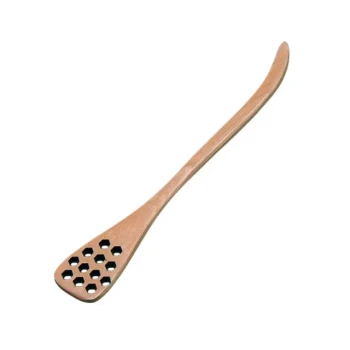
- Modern Honeycomb Pattern Wooden Honey Dipper for Stirring and Drizzling
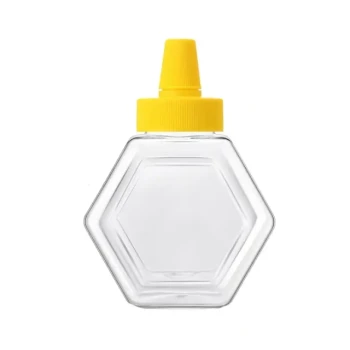
- Hexagonal Squeeze Honey Bottle with No Drip Lid
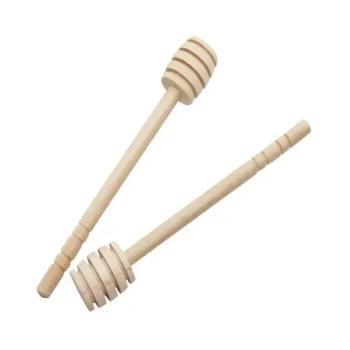
- Natural Wood Honey Dipper for Tea Coffee and Desserts
- Classic Beehive Honey Bottle Jar with Squeeze Dispenser Lid
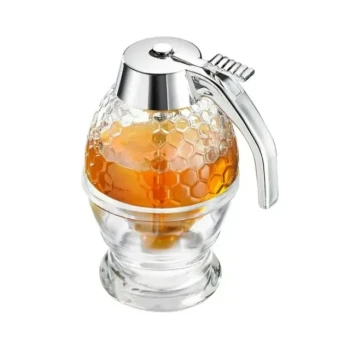
- Honeycomb Style Drip Free Honey Dispenser
People Also Ask
- What is the proper method for cleaning a honey dipper? Maintain Pure Flavor with These Easy Pro Tips
- What is a honey dipper and what is it used for? A Guide to Mess-Free Drizzling
- What is a honey dipper? Master the Art of the Perfect Drizzle with This Essential Tool
- What is a honey taking spoon called? Discover the Tool for a Perfect, Mess-Free Drizzle
- How do you clean and store a honey dipper? Simple Steps for Long-Lasting Performance