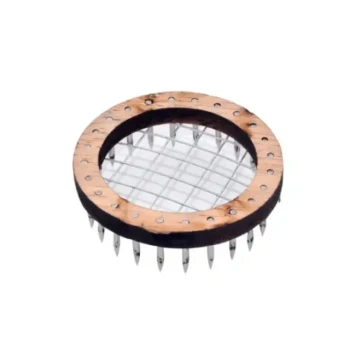
Interspecific queen introduction is a controlled requeening process, not an instant species conversion. A mated queen from one honeybee species is placed into a queenless colony of another species inside a protective introduction cage. If the workers accept her, they care for her eggs and larvae; as the original workers die, the colony’s adult population is gradually replaced by the introduced queen’s offspring.
The technique depends on gradual scent integration, careful queenless-colony preparation, and strict biosecurity. Commercial operations need queen cages and nucleus equipment for introduction, plus grafting, mating, feeding, and inspection tools if they are producing and distributing queens at scale.
How the Interspecific Introduction Process Works
1. Prepare a genuinely queenless host colony
The host colony must be dequeened before introducing the new queen. Existing queen cells should also be removed, because workers may prefer a developing replacement queen over the introduced queen.
A thorough inspection is essential. If the colony retains its original queen or an advanced queen cell, acceptance rates can fall sharply.
2. Place the new queen in an introduction cage
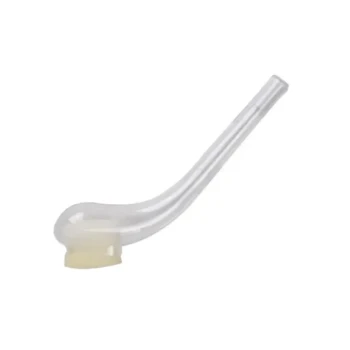
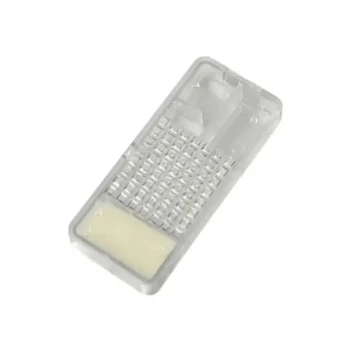
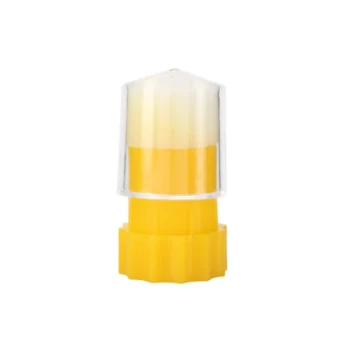
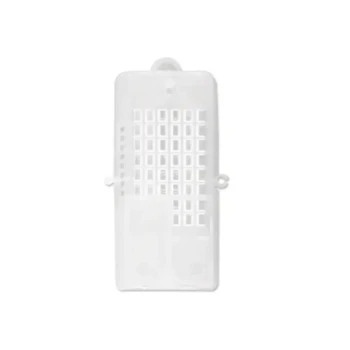
The mated queen is confined in a cage with mesh or perforated surfaces that allow workers to contact and feed her while preventing immediate attack.
The cage normally contains a fondant or candy plug. Workers gradually remove the plug, giving them time to adjust to the queen’s pheromonal scent before release.
3. Allow the host workers to raise new brood
Once accepted and released, the introduced queen begins laying eggs. Host workers feed and care for the resulting brood, regardless of the fact that the queen belongs to a different species.
This creates a gradual transition. The original host workers continue performing colony tasks until they reach the end of their natural lifespan, while the new queen’s offspring progressively become the colony’s younger workforce.
4. Confirm acceptance after the introduction period
The colony should generally be left undisturbed for approximately one week before inspection, unless there is an urgent reason to intervene.
The inspection should confirm:
- The queen has exited the cage.
- The queen is alive and moving normally.
- Workers are not balling or aggressively pursuing her.
- Fresh eggs or young larvae are present.
- No replacement queen cells are being built.
An Important Biological Limitation
A queen replacement does not immediately replace the worker population
The introduced queen contributes new genetics only through her offspring. Existing workers are not genetically transformed, and the colony will contain a mixed-age population during the transition.
The practical result is therefore progressive population replacement, not an immediate conversion of one species into another.
Interspecific transitions require stronger validation than ordinary requeening
Introducing a queen between species such as Apis mellifera and Apis cerana is more demanding than replacing a queen within the same species. Differences in pheromones, worker behavior, seasonal biology, comb requirements, colony architecture, and mating systems can reduce acceptance or colony performance.
A commercial operator should validate the method with controlled pilot colonies before treating it as a routine production procedure. Local regulations, disease-control rules, and restrictions on moving bees or queens between regions must also be checked.
Equipment Required for Commercial Implementation
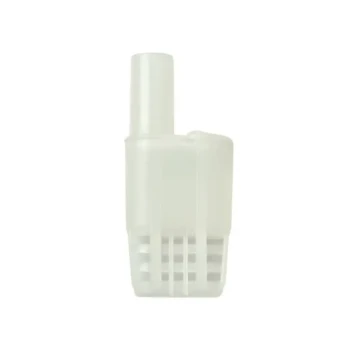
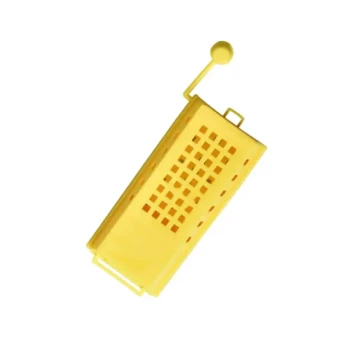
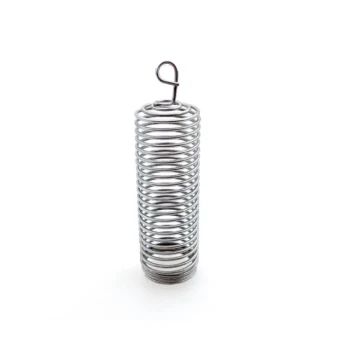
Queen introduction cages
These are the core pieces of equipment for the transition.
A commercial-grade cage should provide:
- Physical protection for the queen.
- Adequate ventilation through mesh or perforations.
- Access for worker feeding.
- A candy or fondant release plug.
- A reliable means of hanging or positioning the cage in the brood area.
For standard requeening, the cage is commonly placed vertically among brood frames with the candy end facing upward. This reduces the risk that dead attendants will block the exit.
Queen cage placement and inspection tools
A hive tool is required to create frame space and position the cage securely. Protective equipment, smokers, marking supplies, and queen-handling tools are also needed for safe inspection and traceability.
The cage should be positioned where workers are concentrated, normally in the brood area, while avoiding careless disturbance during the acceptance period.
Nucleus boxes and frames
Dedicated nucleus hives are useful for preparing, stabilizing, and evaluating colonies before or after introduction.
A practical nucleus setup may include:
- A nucleus box sized for the target species.
- Frames containing emerging brood.
- Drawn comb or wax foundation.
- A food reserve or feeder.
- Adequate ventilation and entrance control.
Nucleus colonies provide a more manageable environment for testing queen acceptance than full-size production colonies.
Mini-mating nucs
Mini-mating nucs are primarily used to mature and mate virgin queens before they enter introduction programs.
They use fewer bees, smaller frames, and less yard space than standard hives or full-sized nucs. This makes them valuable for commercial breeders operating high-density mating yards, although they are not a substitute for a robust host colony during an interspecific transition.
Grafting tools and queen cell equipment
If the operation produces its own queens, it will need:
- Grafting needles or grafting tools.
- Queen cell cups.
- Queen cell bars.
- Cell protectors or transport containers where appropriate.
- A compatible nursery or incubator system.
These tools support the upstream queen-rearing process. They are not strictly required when purchasing ready-to-introduce mated queens, but they become important for commercial scale, genetic selection, and rapid replacement programs.
Feeders and feeding equipment
Feeders support nucleus colonies and newly established splits when natural forage is insufficient.
Feeding plans must account for the apiary location. For example, out-apiary splits may receive syrup immediately, while home-apiary splits may require delayed feeding to reduce robbing risk from returning foragers.
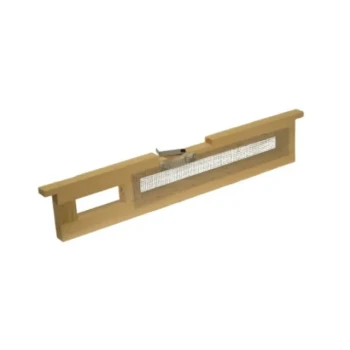
Queen excluders
Queen excluders can help manage queen location and brood-box access in certain colony configurations. They are supporting equipment rather than the primary mechanism of interspecific queen introduction.
Their use must be compatible with the dimensions, behavior, and management system of the species involved.
Controlled-mating and instrumental-insemination equipment
Where genetic control is a major commercial objective, instrumental insemination equipment can be used to control queen–drone pairings.
This is an advanced capability for breeding programs seeking traits such as disease resistance, honey production, or docility. It is not necessary for basic queen introduction, but it can improve consistency when the operation is developing and distributing selected lines.
Commercial Workflow and Supply Requirements
Standardize the introduction protocol
Commercial operators should use a repeatable process for:
- Dequeening the host colony.
- Removing competing queen cells.
- Installing the caged queen.
- Recording the introduction date and queen identity.
- Waiting through the acceptance period.
- Inspecting for release and egg laying.
- Rechecking colony development.
Standardization matters because inconsistent cage placement, inspection timing, or colony preparation makes it difficult to identify the cause of failure.
Maintain traceability
Each queen should be linked to a source, mating status, introduction date, host colony, and inspection result.
For distributors and resellers, this makes it easier to provide customers with complete kits rather than isolated products: queen cages, nucleus boxes, frames, feeders, grafting equipment, and replacement hardware can be matched to the intended application.
Plan for rapid replenishment
Queen introduction is time-sensitive. Delays in supplying cages, candy plugs, cell cups, or nucleus equipment can leave colonies queenless longer than planned.
A reliable commercial supply program should therefore emphasize standardized product availability, fast order processing, and technical support for selecting compatible equipment.
Understanding the Trade-offs
Acceptance is not guaranteed
A queen cage improves the probability of acceptance, but it cannot overcome every incompatibility between queen and host colony.
Aggression, competing queen cells, poor colony condition, environmental stress, or species-specific behavioral differences can still cause failure.
The transition takes time
The original workers remain in the colony until they die. During this period, colony behavior and productivity may be variable because the population contains workers raised under different maternal lines.
Commercial evaluations should measure colony stability and performance over multiple brood cycles rather than judging success immediately after release.
Disease and regulatory risks are significant
Moving queens or bees between species and regions can introduce pathogens, parasites, or undesirable genetic material.
Disease-free status, quarantine procedures, approved transport channels, and local authority requirements should be treated as part of the equipment and operating plan—not as administrative details added afterward.
Species-specific equipment may be necessary
A standard hive or frame system designed for one species may not be ideal for another. Comb dimensions, entrance arrangements, colony volume, and seasonal management can affect the outcome.
Before purchasing large quantities, verify that nucleus boxes, frames, feeders, and queen-management hardware match the biological and physical requirements of the host species.
More equipment does not replace colony preparation
Premium cages and specialized tools are valuable, but they cannot compensate for a host colony that is not truly queenless, is too weak, or is under severe environmental stress.
The most important control remains correct preparation and disciplined follow-up.
Making the Right Choice for Your Goal
The required equipment depends on whether the operation is introducing purchased queens, producing queens, or managing a full breeding program.
- If your primary focus is reliable queen introduction: Prioritize standardized candy-release queen cages, hive tools, inspection equipment, nucleus boxes, frames, and feeders.
- If your primary focus is commercial queen rearing: Add grafting needles, queen cell cups, cell bars, nursery equipment, and mini-mating nucs.
- If your primary focus is controlled genetic selection: Add instrumental-insemination equipment, pedigree records, and dedicated mating-management infrastructure.
- If your primary focus is distribution or wholesale supply: Build a complete, compatible product portfolio with rapid fulfillment, technical guidance, and traceable queen-management components.
- If your primary focus is interspecific transition trials: Start with a small, quarantined pilot program and validate queen acceptance, brood development, colony behavior, and regulatory compliance before scaling.
A successful interspecific transition is built on controlled queen release, biological validation, disciplined records, and a dependable equipment supply chain.
Summary Table:
| Aspect | Key Points |
|---|---|
| Process | Dequeen host colony, introduce caged queen, gradual scent integration, population replacement over time |
| Timeline | ~1 week before inspection; full transition over multiple brood cycles |
| Acceptance Factors | Proper cage use, queenless state, no competing queen cells, species compatibility |
| Core Equipment | Queen introduction cages, nucleus boxes, frames, feeders, inspection tools |
| Advanced Needs | Grafting tools, mini-mating nucs, excluders, instrumental insemination gear |
| Commercial Considerations | Standardization, traceability, rapid replenishment, biosecurity, regulatory compliance |
Looking for reliable queen introduction equipment and full-spectrum beekeeping supplies? HONESTBEE offers commercial-grade cages, nucleus hives, grafting tools, and more—all with rapid delivery and expert support. Whether you're a beekeeper upgrading your apiary or a distributor expanding your product line, our one-stop sourcing and customized OEM/ODM solutions help you maximize efficiency and profitability. Contact us today to discuss your requirements and get a tailored quote!
Related Products
- Professional Queen Catcher and Introduction Queen Cage
- One Hand Yellow Queen Marking Catcher Tube Cage Beekeeper Tool Accessory for Queen Bee
- Transparent Plastic Bee Catcher Queen Marker Tube Cage Beekeeping Tool Equipment
- Queen Bee Marking Tube Cage Bottle Catcher Holder with Clear Plastic Plunger Marker
- Plastic Long Marker Device for Catching and Marking Bees Queen Bee Marking Tube and Cage
People Also Ask
- What role does a queen catcher play in the hive splitting process? Ensure Colony Safety & Precise Hive Management
- What is a queen catcher and what is it used for? Essential Tool for Safe Queen Handling
- What is the purpose of a queen catcher in beekeeping? Safely Handle Your Queen Bee
- What role do queen excluders and queen cages play in the synchronization of honeybee developmental stages? Master Timing.
- Why are queen cages or grid cages used in bee studies? Achieve Precise Biological Data for Research