The strategic integration of cultural merchandise and agriculture fairs acts as a catalyst for transforming traditional beekeeping operations into modern, recognized brands. While agriculture fairs provide a physical platform to demonstrate technical expertise and secure distribution channels, honey-themed merchandise converts raw agricultural output into high-value cultural assets that foster lasting consumer loyalty.
Core Takeaway: This dual approach creates a "cultural empowerment" loop: fairs validate technical capability and open B2B channels, while merchandise establishes a consumer-facing brand identity that communicates ecological value and diversifies revenue beyond simple commodity sales.
The Strategic Role of Agriculture Fairs
Validating Technical Expertise
Agriculture fairs serve as the primary stage for establishing professional credibility. By demonstrating advanced beekeeping equipment and innovative packaging machinery, enterprises prove their operational sophistication.
This display of technical capability distinguishes a brand from small-scale, hobbyist operations. It signals to partners and consumers that the enterprise is capable of consistent, high-quality production.
Accelerating Commercialization
Participation in these events offers a critical opportunity to gather direct market feedback. By showcasing derivative crafts and packaging innovations in person, companies can instantly gauge consumer reactions and adjust strategies.
Furthermore, fairs act as a bridge to high-end distribution channels. Connecting with distributors and retailers at these events accelerates the commercialization of new technologies and products, moving them from prototype to market faster.
The Power of Cultural Merchandise
Transforming Commodities into Brand Symbols
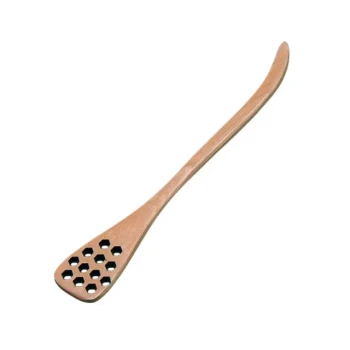
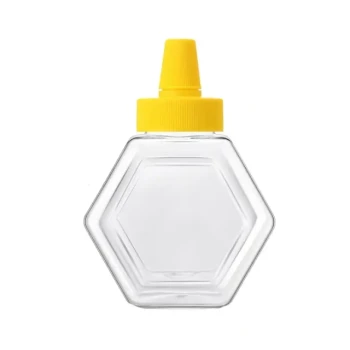
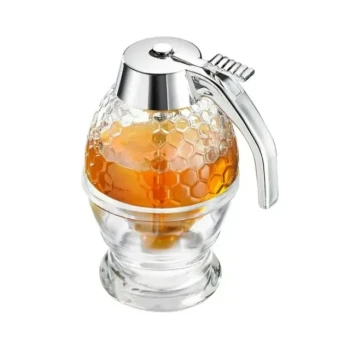
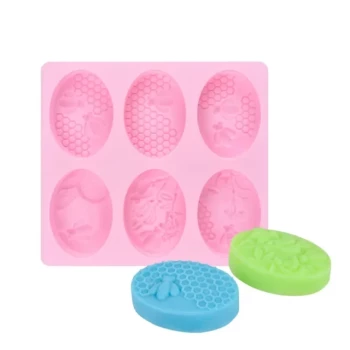
Honey-themed cultural merchandise—such as artistic reliefs, souvenirs, and educational tools—transforms simple agricultural products into recognizable branded commodities.
This process, often called "cultural empowerment," elevates the product mix. It shifts the consumer focus from the price of raw honey to the value of the brand's identity and story.
Creating Tangible Brand Carriers
Merchandise acts as a physical carrier for the brand's message. Unlike consumed food products, items like crafts or educational tools remain with the consumer, reinforcing brand recognition long after the purchase.
These items also serve as an extension of the industry, converting intangible heritage—such as traditional beekeeping skills—into tangible commercial symbols.
Enhancing Educational and Ecological Value
High-quality merchandise often serves an educational purpose. It translates complex biodiversity concepts and the ecological value of agroforestry into accessible, tangible experiences for the public.
By positioning the brand as a steward of nature, enterprises deepen consumer loyalty. The brand becomes associated not just with food, but with environmental conservation and social responsibility.
Understanding the Trade-offs
Operational Complexity vs. Focus
Introducing cultural merchandise requires design, manufacturing, and inventory management skills that differ vastly from beekeeping. There is a risk of diluting operational focus, where the pursuit of derivative products distracts from the core competency of producing high-quality honey.
Investment vs. Return
Developing "high-value-added" cultural derivatives requires upfront investment in design and production. While these products offer additional profit margins, the return on investment may be slower than direct bulk sales, particularly if the brand lacks an established audience.
The "Gimmick" Risk
Merchandise must be high-quality and culturally relevant to be effective. Poorly executed souvenirs can cheapen a brand's image rather than enhance it. The merchandise must genuinely reflect the professional brand image and not appear as a mere novelty.
Making the Right Choice for Your Goal
To leverage these strategies effectively, you must align your investment with your specific business objective.
- If your primary focus is B2B Growth and Distribution: Prioritize participation in agriculture fairs to demonstrate technical capacity, showcase packaging machinery, and secure high-end channel partners.
- If your primary focus is Consumer Loyalty and Tourism: Invest in developing honey-themed cultural merchandise and educational tools to tell your ecological story and diversify revenue streams.
- If your primary focus is Brand Differentiation: Combine both strategies by using fairs to launch exclusive cultural merchandise, using the event to test market viability before full-scale production.
Success lies in using merchandise to tell the story and fairs to amplify the voice.
Summary Table:
| Strategy | Primary Benefit | Key Outcome |
|---|---|---|
| Agriculture Fairs | Technical Validation | Secures B2B channels & high-end distribution |
| Cultural Merchandise | Brand Identity | Converts raw commodities into high-value symbols |
| Technical Demos | Market Credibility | Distinguishes professional operations from hobbyists |
| Ecological Storytelling | Consumer Loyalty | Connects products to environmental conservation |
Elevate Your Beekeeping Brand with HONESTBEE
At HONESTBEE, we empower commercial apiaries and distributors to move beyond commodity sales and build a powerful brand presence. Whether you are looking to demonstrate professional excellence at agriculture fairs or diversify your revenue through cultural branding, we provide the full spectrum of tools you need.
Our comprehensive wholesale offering includes:
- Advanced Machinery: Hive-making and honey-filling machines to prove your technical capacity.
- Professional Equipment: A complete range of beekeeping tools for high-quality production.
- Cultural Merchandise: A wide array of honey-themed souvenirs and essential industry consumables to engage consumers.
Ready to transform your operation into a market leader? Contact HONESTBEE today for a tailored wholesale solution that brings technical expertise and cultural value to your business.
References
- Tayfun Çukur. A RESEARCH ON THE DETERMINATION OF THE FACTORS AFFECTING THE IMPLEMENTATIONS OF AGRICULTURAL INNOVATIONS BY BEEKEEPERS IN MUĞLA PROVINCE, TURKEY. DOI: 10.15666/aeer/1705_1088310897
This article is also based on technical information from HonestBee Knowledge Base .
Related Products
- Modern Honeycomb Pattern Wooden Honey Dipper for Stirring and Drizzling
- Heart-Shaped Comb Honey Frame and Honeycomb Cassette
- Honey Tank Heater Drum Heating Blanket for Honey Barrel
- Classic Beehive Honey Bottle Jar with Squeeze Dispenser Lid
- Professional Plastic Honey Dipper for Easy Honey Drizzling
People Also Ask
- What is the proper method for cleaning a honey dipper? Maintain Pure Flavor with These Easy Pro Tips
- What is a honey dipper and what is it used for? A Guide to Mess-Free Drizzling
- What is a honey dipper? Master the Art of the Perfect Drizzle with This Essential Tool
- What is a honey taking spoon called? Discover the Tool for a Perfect, Mess-Free Drizzle
- How do you clean and store a honey dipper? Simple Steps for Long-Lasting Performance