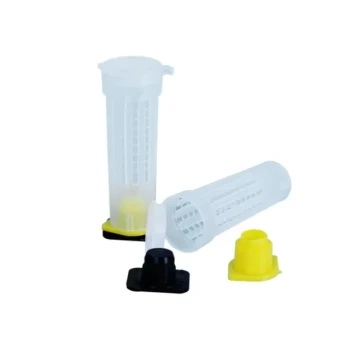
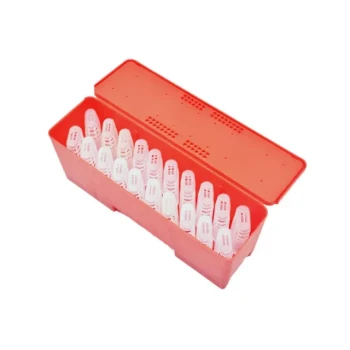
The precise timing of queen cage deployment is the single most decisive factor in determining the success of your honey harvest during summer brood interruption. If you deploy the cage two weeks prior to a major nectar flow, you risk a significant drop in yield due to a depleted workforce, whereas initiating the process exactly at the start of the flow maintains honey production levels consistent with conventional management.
Core Insight The success of brood interruption relies on synchronizing the brood break with natural resource cycles. Caging the queen too early cannibalizes the future foraging force, while caging at the onset of the flow balances effective Varroa control with sustained productivity.
The Impact of Timing on Colony Productivity
The Risks of Premature Deployment
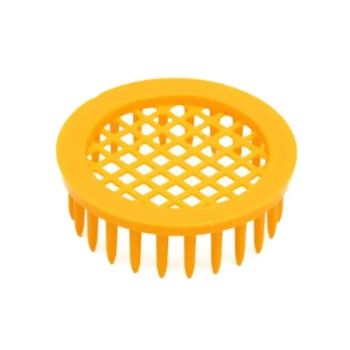
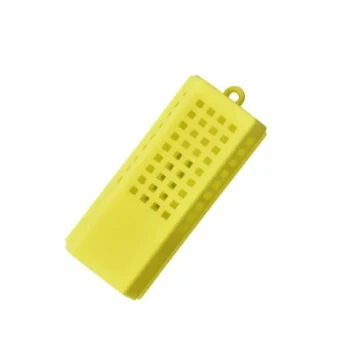
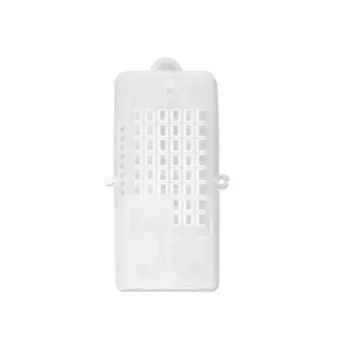
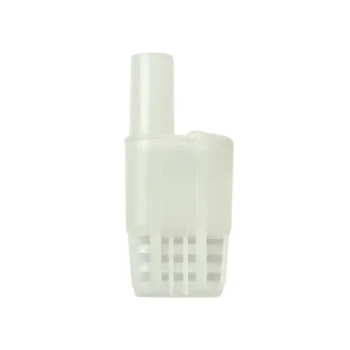
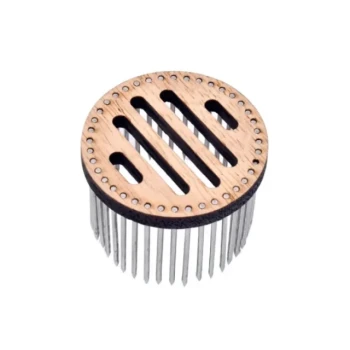
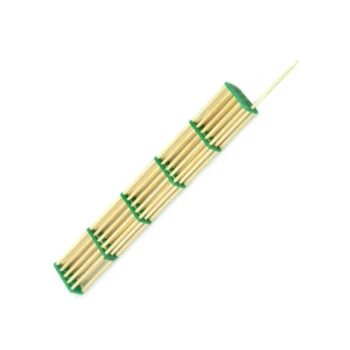
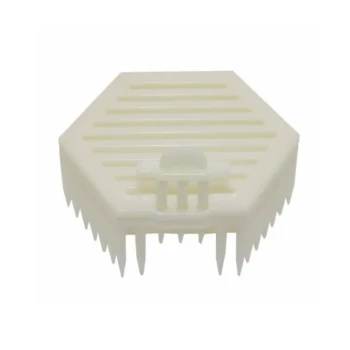
Deploying a small queen cage two weeks before a major nectar flow can be detrimental to your harvest. This early intervention prevents the colony from rearing the brood necessary to maintain peak population density.
By the time the nectar flow arrives, the colony suffers from a weakened foraging force. Because there are fewer bees available to gather resources during the critical window of abundance, the total honey output is significantly reduced.
Optimizing for the Nectar Flow
To maximize yield, the queen-caging process should be initiated at the exact start of the nectar flow.
This timing ensures that the existing workforce is mature and ready to forage when resources are most plentiful. By aligning the brood break with this natural cycle, you achieve honey yields that are statistically consistent with colonies managed using conventional methods without brood interruption.
The Role of Biological Assets
While timing is the immediate lever for yield, the underlying quality of the colony affects its resilience during these interventions.
Superior genetic traits, such as high egg-laying capacity and disease resistance, ensure the colony can bounce back quickly once the queen is released. Utilizing specialized breeding to renew bee colonies improves the overall "biological asset performance," ensuring the colony remains productive and adaptable despite the temporary interruption in brood rearing.
Understanding the Trade-offs
Balancing Pest Control and Production
The primary goal of summer brood interruption is Varroa mite control.
The trade-off is often viewed as a choice between colony health (low mites) and production (high honey). However, correct timing mitigates this trade-off. By caging at the start of the flow, you achieve the sanitary benefits of the brood break—effectively checking the mite population—without sacrificing the economic output of the hive.
Common Pitfalls in Scheduling
A common mistake is prioritizing the treatment schedule over the local phenology (bloom cycles).
Adhering rigidly to a calendar date, rather than observing the onset of the nectar flow, leads to the "two-week gap" mentioned above. This misalignment results in a healthy, mite-free colony that is unfortunately too underpopulated to produce a surplus crop.
Making the Right Choice for Your Goal
To ensure your colony management supports both health and harvest, apply the following principles:
- If your primary focus is Maximizing Honey Yield: Delay the deployment of the queen cage until the major nectar flow has officially begun to preserve your foraging force.
- If your primary focus is Varroa Management: You can confidently use brood interruption at the start of the flow to control mites without fearing a loss in production.
- If your primary focus is Long-Term Resilience: Combine precise timing with stock renewal, introducing queens with superior genetics to ensure rapid recovery and sustained foraging efficiency.
Synchronize your intervention with the environment to turn a biological necessity into a management advantage.
Summary Table:
| Deployment Timing | Impact on Foraging Force | Honey Yield Outcome | Varroa Control Efficiency |
|---|---|---|---|
| 2 Weeks Pre-Flow | Significantly Depleted | Substantial Reduction | High |
| Onset of Nectar Flow | Maintained & Mature | Consistent with Conventional | High |
| Late Flow / Post-Flow | Excessive Brood Competition | Diminished Quality | Moderate |
Maximize Your Colony Performance with HONESTBEE
Timing is only half the battle—the right equipment and genetics make the difference. HONESTBEE empowers commercial apiaries and distributors with the high-quality tools necessary for precision management. From specialized small queen cages and hive-making machinery to premium beekeeping consumables, our comprehensive wholesale range is designed to enhance your operational efficiency.
Ready to scale your production and secure superior yields? Contact us today to explore our full spectrum of beekeeping hardware and cultural merchandise. Let HONESTBEE be your partner in building a more resilient and productive apiary.
References
- Marin Kovačić, Ralph Büchler. Honey vs. Mite—A Trade-Off Strategy by Applying Summer Brood Interruption for Varroa destructor Control in the Mediterranean Region. DOI: 10.3390/insects14090751
This article is also based on technical information from HonestBee Knowledge Base .
Related Products
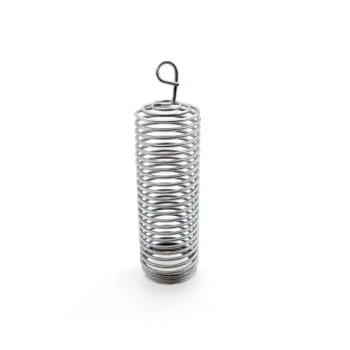
- Durable Galvanized Steel Spring Queen Bee Cage
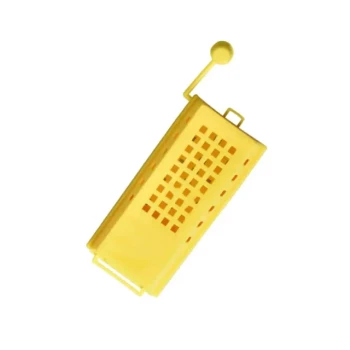
- Professional Queen Cage with Sliding Gate and Feeder Plug
- Professional Queen Bee Introduction and Transport Cage
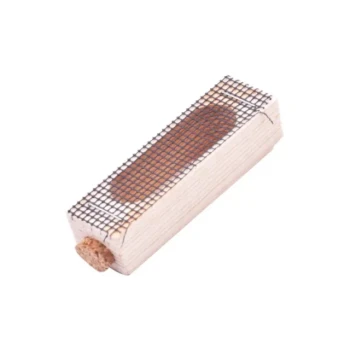
- Classic Wooden and Mesh California Queen Cage
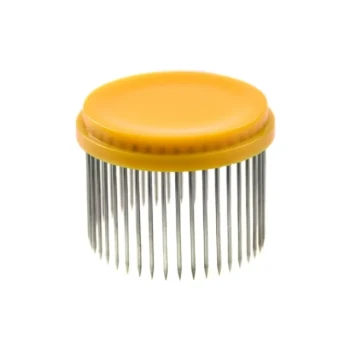
- Professional Round Push-In Queen Cage with Metal Tines
People Also Ask
- Why are specialized queen bee cages used for the banking of mated queen bees? Maximize Commercial Apiary Storage Efficiency
- What is the mechanism of action for using temporary queen bee cages? Master Successful Queen Introduction
- What is the step-by-step process for installing a queen bee's cage onto a frame? Ensure Hive Acceptance Safely
- What is the optimal placement for a queen bee cage? Essential Strategies for Successful Re-queening
- What are the advantages and disadvantages of introducing a queen bee by embedding the cage? Boost Your Queen Acceptance