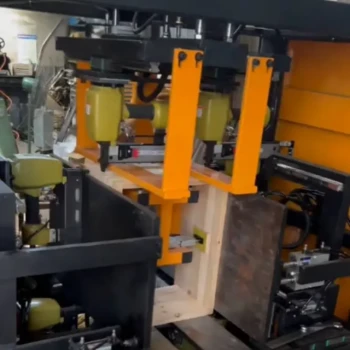
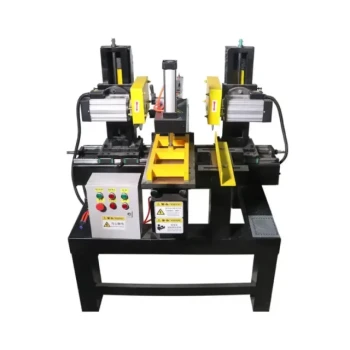
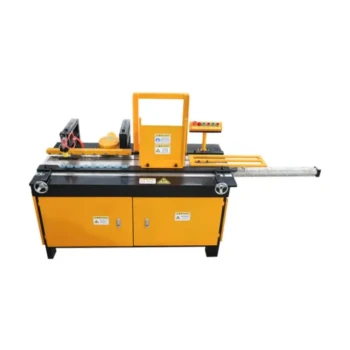
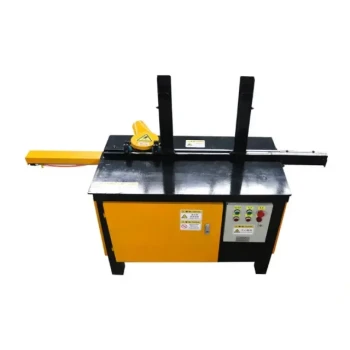
High-precision hive-making machines play a critical role in minimizing pesticide contamination by producing standardized beehives with superior structural integrity and tight seals. By eliminating gaps and irregularities common in manual construction, these machines create a physical shield that protects the colony from external pesticide drift while facilitating stricter hygiene protocols within the apiary.
The precision of automated manufacturing creates a first line of defense against environmental pollutants. By ensuring uniform specifications and tight seals, apiaries can significantly reduce the ingress of airborne chemicals, securing the purity of honey and beeswax at the source.
How Precision Engineering Enhances Purity
High-precision manufacturing changes the fundamental environment of the bee colony. By moving away from variable, hand-built structures to machine-cut standardization, apiaries can exert greater control over external contamination variables.
Blocking External Contaminants
The primary mechanism for contamination reduction is the physical seal. High-precision machines cut wood to exact specifications, ensuring that joints and lids fit together seamlessly.
This tight sealing capability prevents pesticide drift—airborne chemicals from nearby agricultural spraying—from penetrating the hive structure. A loosely constructed hive allows drafts and particulates to enter, whereas a precision-machined hive acts as a sealed fortress for the colony.
Facilitating Advanced Hygiene Protocols
Beyond the physical shell, precision machinery enables the implementation of superior hygiene standards. Because the hardware is standardized, components are produced with a level of quality that supports rigorous cleaning and maintenance schedules.
Apiaries can implement stricter protocols to maintain product purity because the equipment is consistent. This reliability allows producers to focus on the source quality of honey and beeswax, rather than battling structural defects that could harbor contaminants.
The Value of Standardization
As noted in supplementary contexts, machine processing ensures the standardized dimensions of all hive components. This uniformity is the foundation for the interchangeability of honeycomb frames.
In large-scale commercial operations, the ability to seamlessly swap frames allows for regular rotation and cleaning. This prevents the buildup of environmental toxins in old wax and supports mechanized extraction processes that are generally cleaner and more controlled than manual methods.
Understanding the Trade-offs
While high-precision hives offer significant protection, it is vital to recognize the limitations of structural engineering in solving biological problems.
The Limits of Physical Barriers
A tight seal protects the bees only while they are inside the hive. It does not prevent foragers from encountering pesticides while gathering nectar or pollen in the field and bringing those contaminants back to the colony.
The Dependency on Maintenance
Precision equipment requires precision maintenance. The tight tolerances of machine-made hives mean that warping or damage to a single component can compromise the seal more noticeably than in a rustic, variable hive. Operators must maintain the hardware to ensure the "shield" remains intact.
Making the Right Choice for Your Goal
When selecting hive equipment, understanding how manufacturing quality impacts your end product is essential.
- If your primary focus is Product Purity: Prioritize hives with the highest machining tolerances to ensure air-tight seals that block local pesticide drift.
- If your primary focus is Operational Efficiency: Leverage the standardization of precision-made components to implement frame rotation cycles that remove older, potentially contaminated wax from circulation.
By integrating high-precision hardware, you transform the beehive from a simple shelter into an active tool for quality control and contamination defense.
Summary Table:
| Feature | Benefit for Purity | Impact on Contamination |
|---|---|---|
| Exact Tolerances | Seamless joints and airtight seals | Blocks external pesticide drift and airborne pollutants |
| Standardization | Interchangeable frames and components | Facilitates regular rotation of wax to prevent toxin buildup |
| Uniformity | Supports mechanized, hygienic extraction | Reduces human error and environmental exposure during processing |
| Material Quality | Consistent surfaces for cleaning | Enables rigorous hygiene protocols to maintain hive health |
Elevate Your Honey Purity with HONESTBEE Precision Engineering
At HONESTBEE, we specialize in empowering commercial apiaries and distributors with the high-performance tools needed to secure the highest product standards. From advanced hive-making machines that create impenetrable shields against environmental toxins to automated honey-filling machinery, our comprehensive wholesale portfolio is designed for those who refuse to compromise on quality.
Whether you are scaling a professional operation or supplying the industry with essential beekeeping consumables and hardware, we provide the expertise and equipment to ensure your success. Contact HONESTBEE today to discover how our precision machinery can enhance your operational efficiency and safeguard the purity of your honey and beeswax.
References
- Lucas Kachinde, Matobola Joel Mihale. Determining Pesticide Residues in Bee produce and their Potential Risk to Consumers in Tanzania. DOI: 10.47604/ija.1705
This article is also based on technical information from HonestBee Knowledge Base .
Related Products
- High-Efficiency Pneumatic Bee Hive Making Machine for Rapid Box Assembly
- Automatic High-Speed Bee Hive Box Stapling Machine
- Beehive Machine Double End Saw for Precision Hive Component Manufacturing
- HONESTBEE Professional Long Handled Hive Tool with Precision Cutting Blade
- Beehive Handle and Frame Rest Cutting Machine: Your Specialized Hive Machine
People Also Ask
- How does the introduction of professional beehive-making machinery benefit sustainable beekeeping? Scale Your Apiary
- Why is specialized beehive-making machinery critical for low-defense breeding? Enhance Selection with Precision Tools
- How does the introduction of specialized beehive making machinery contribute to increasing the scale of regional beekeeping industries?
- What is the importance of specialized beehive making machinery in a circular bio-economy? Build Local Sustainability
- Why is specialized beehive-making machinery essential? Scale Your Apiary with Precision Industrial Standards