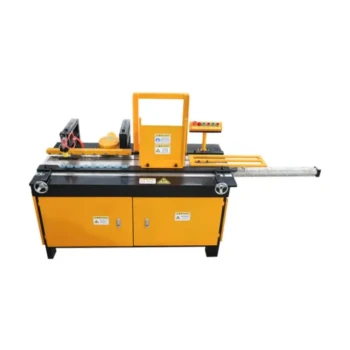
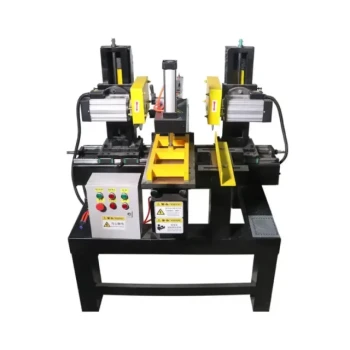
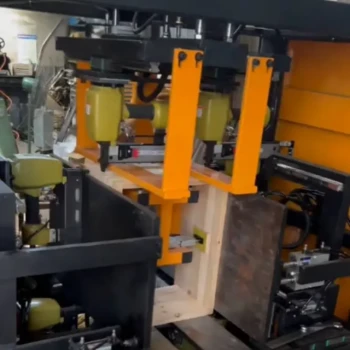
The use of industrial hive-making machinery directly enhances colony health by producing standardized, tightly sealed components that stabilize the hive's internal microclimate. This mechanical precision eliminates structural irregularities, allowing the colony to maintain optimal temperature and humidity levels with significantly less energy expenditure.
Core Takeaway While traditional methods vary in quality, industrial machinery guarantees a scientifically consistent environment that acts as a physical barrier against stressors. By reducing the metabolic cost of thermal regulation, these hives allow bees to redirect energy toward immune response and overwintering survival.
The Role of Precision in Environmental Control
Standardization Creates Superior Seals
The primary benefit of industrial hive-making is the production of standardized components. Unlike hand-built hives which may suffer from slight irregularities, machine-made parts fit together seamlessly.
Stabilizing the Microclimate
This precise fit ensures the hive is tightly sealed. This is critical for regulating internal temperature and humidity, creating a stable environment that buffers the colony against external weather fluctuations.
Physical Barriers Against Pathogens
By eliminating gaps and structural weaknesses, these hives serve as a robust physical barrier. This isolation helps prevent the intrusion of pests and environmental stressors that often serve as vectors for disease.
Physiological Impacts on Colony Survival
Reducing Metabolic Stress
Bees consume vast amounts of energy to heat or cool the hive. The superior insulation and sealing provided by machine-made hives minimize heat loss, reducing the energy expenditure required by worker bees.
Supporting Infected Colonies
This energy conservation is vital for colonies battling infections. Infected bees often possess a diminished capacity to generate heat; a well-sealed hive compensates for this biological deficit, increasing the probability of survival.
Combatting Specific Diseases
The stability provided by these hives indirectly reduces the prevalence of stress-related diseases, specifically Nosemosis. By enhancing the colony's natural immunity through reduced environmental stress, the hive structure itself becomes a tool for disease management.
Understanding the Trade-offs
The Material Limitation
While machinery perfects the structure, it cannot purify the material if low-quality inputs are used. Specifically, beeswax foundations can act as a reservoir for fat-soluble miticides.
The Risk of Recycled Residues
If the industrial process involves melting and recycling old combs without strict quality control, toxic residues can accumulate. Precision milling of the hive body is futile if the foundation wax introduces sub-lethal chemical stress back into the colony.
Making the Right Choice for Your Goal
To maximize the benefits of industrial hive manufacturing, align your equipment choices with your specific colony management objectives:
- If your primary focus is Overwintering Survival: Prioritize hives with machine-milled, interlocking joints to minimize heat loss and conserve the energy of infected or weakened bees.
- If your primary focus is Disease Prevention: Ensure your setup combines precision-sealed hive bodies with high-purity, new wax foundations to eliminate chemical stressors.
Precision in hive construction is not just about durability; it is a critical investment in the biological resilience of your apiary.
Summary Table:
| Feature | Impact on Colony Health | Environmental Benefit |
|---|---|---|
| Standardized Components | Eliminates gaps and irregularities | Enhances hive structural integrity |
| Precision Sealing | Stabilizes internal microclimate | Reduces energy expenditure for thermoregulation |
| Interlocking Joints | Minimizes heat loss | Improves overwintering survival rates |
| Physical Barriers | Prevents pest and pathogen intrusion | Reduces stress-related diseases like Nosemosis |
| Automated Milling | Ensures consistent hive volume | Optimizes biological resilience of the apiary |
Scale Your Apiary Operations with HONESTBEE
At HONESTBEE, we understand that precision is the foundation of honeybee health. We provide commercial apiaries and distributors with high-performance hive-making machines and honey-filling equipment designed to deliver the standardized, energy-efficient environments your colonies need to thrive.
By choosing our comprehensive wholesale solutions—from specialized machinery to essential beekeeping tools and industry consumables—you invest in the biological resilience of your bees and the efficiency of your business.
Ready to upgrade your production? Contact us today to explore our full spectrum of beekeeping hardware and cultural merchandise!
References
- Şule Yaman, Mustafa Yaman. Development of an Innovative Application for Nosemosis and Varroosis Rates in Bolu Beekeeping Locations by using Google Earth Engine. DOI: 10.29329/ijiaar.2024.1109.3
This article is also based on technical information from HonestBee Knowledge Base .
Related Products
- High-Efficiency Pneumatic Bee Hive Making Machine for Rapid Box Assembly
- Beehive Handle and Frame Rest Cutting Machine: Your Specialized Hive Machine
- Beehive Machine Double End Saw for Precision Hive Component Manufacturing
- Automatic High-Speed Bee Hive Box Stapling Machine
- Mini Desktop Bee Hive Frame Forming Making Machine
People Also Ask
- How does the introduction of professional beehive-making machinery benefit sustainable beekeeping? Scale Your Apiary
- Why is specialized beehive-making machinery critical for low-defense breeding? Enhance Selection with Precision Tools
- How does the introduction of specialized beehive making machinery contribute to increasing the scale of regional beekeeping industries?
- What is the importance of specialized beehive making machinery in a circular bio-economy? Build Local Sustainability
- Why is specialized beehive-making machinery essential? Scale Your Apiary with Precision Industrial Standards