Precision weighing serves as a definitive diagnostic tool for commercial apiaries. By recording the weight of beehives before and after specific flowering periods, apiarists can calculate the exact net gain in nectar accumulation. This data provides a direct metric to assess which nectar sources are productive and which are underperforming.
Precision weighing transforms beekeeping from intuition to data-driven science. By quantifying nectar flow, apiaries can identify high-yield plant sources and adjust management strategies—such as deploying two-queen systems—to maximize honey production per hive.
Quantifying Nectar Flow
The core value of precision weighing lies in its ability to convert biological activity into actionable data. Instead of guessing based on visual inspection, apiaries can track specific metrics.
The Before-and-After Methodology
The fundamental process involves recording the baseline weight of a hive prior to a flowering event and comparing it to the weight after the period concludes.
This differential provides an accurate measurement of nectar flow and accumulation. It isolates the specific contribution of the current floral landscape to the hive's reserves.
Identifying High-Value Flora
Not all flowering plants contribute equally to honey production. Precision weighing allows apiaries to evaluate the "honey production contribution" of specific nectar plants.
By correlating weight gains with specific blooming periods, apiarists can determine which local flora offers the highest return on investment.
Optimizing Colony Management
Data derived from weighing equipment does more than track the past; it dictates future operational decisions.
Strategic Colony Deployment
Once high-yield nectar sources are identified through weight data, apiaries can prioritize these locations.
Colonies can be moved to areas with proven "heavy" nectar flows, ensuring that the bees are foraging on the most productive vegetation available.
Implementing Two-Queen Systems
The primary reference highlights a specific strategy enabled by this data: the two-queen system.
When weight data confirms a strong nectar flow, apiaries can confidently implement intensive management strategies like two-queen systems to boost population and foraging capacity. This directly increases the honey yield per beehive during peak windows.
Understanding the Prerequisites
While precision weighing provides the data, the accuracy of that data relies on the consistency of the equipment being weighed.
The Role of Standardization
To accurately compare weight data across hundreds of colonies, the hives themselves must be uniform.
As noted in supplementary manufacturing standards, industrial-grade precision woodworking is required to produce beehives with consistent specifications.
Ensuring Data Integrity
If beehives vary in structural weight due to inconsistent manufacturing, weight comparisons become unreliable.
Standardized equipment ensures that a heavier hive actually indicates more honey, rather than simply more wood or different construction materials. This stability is essential for modernization and large-scale automated operations.
Making the Right Choice for Your Goal
To effectively utilize precision weighing, align your data analysis with your specific operational targets.
- If your primary focus is Floral Assessment: specific plant species.
- If your primary focus is Yield Optimization: Use weight trends to trigger intensive management techniques, such as the two-queen system, during peak flow periods.
By combining standardized equipment with precision weighing, you turn raw environmental data into a predictable production strategy.
Summary Table:
| Metric Type | Function | Benefit for Commercial Apiaries |
|---|---|---|
| Before-and-After Weight | Measures net nectar gain | Identifies the most productive nectar sources and flowering periods. |
| Honey Production Contribution | Correlates weight to flora | Helps prioritize locations with high-yield vegetation for future deployment. |
| Flow-Triggered Strategy | Real-time weight tracking | Informs when to implement intensive systems like the two-queen method. |
| Data Standardization | Uniform hive specifications | Ensures weight gain reflects honey accumulation rather than structural variance. |
Scale Your Honey Production with HONESTBEE Precision Solutions
To turn nectar flow data into a predictable production strategy, your commercial apiary needs more than just data—it needs standardized, industrial-grade equipment. At HONESTBEE, we specialize in serving commercial apiaries and distributors with the tools necessary for modernization.
Our comprehensive wholesale portfolio includes:
- Precision Woodworking & Hive-Making Machines: Ensure hive uniformity for accurate weighing data.
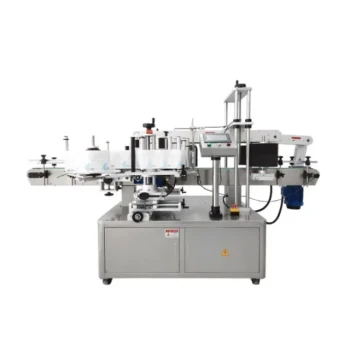
- Advanced Honey-Filling Machinery: Efficiently process your high-yield harvests.
- Specialized Beekeeping Tools & Consumables: Everything required for large-scale colony management.
Ready to maximize your yield per hive? Contact us today to learn how HONESTBEE’s professional-grade machinery and hardware can streamline your commercial operations.
References
- Jose Juan Alcivar-Saldaña, María Margarita Canales-Martínez. Current Knowledge of the Melliferous Florae in Mexico Using Methodologies to Understand Bee–Plant–Human Interactions. DOI: 10.3390/app13158591
This article is also based on technical information from HonestBee Knowledge Base .
Related Products
- Digital Honey Refractometer for Precision Measurement of Optimal Honey Quality
- Precision Honey Refractometer Instrument for Quality Assessment
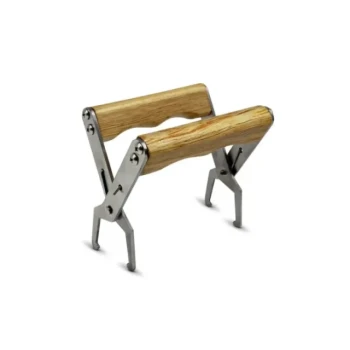
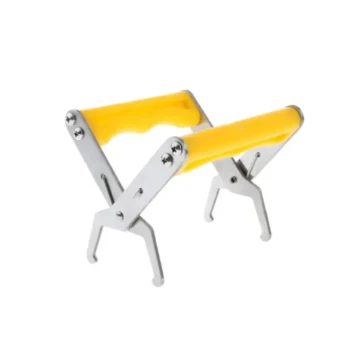
- Premium Frame Grip with Ergonomic Wood Handles
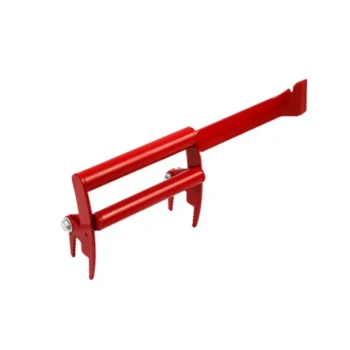
- Professional Frame Comb Fork and Lifter for Efficient Handling
- HONESTBEE Bee Frame Grooving Machine | Precision Slotting for Bee Frame Making
People Also Ask
- What role do high-precision refractometers play in determining the maturity and quality of honey? Ensure Honey Purity.
- Do the color and viscosity of honey affect its refractometer reading? Mastering Moisture Measurement Accuracy
- What is the best way to store a honey refractometer? Preserve Accuracy and Extend Its Lifespan
- How do refractometers ensure technical precision when measuring honey moisture? Secure Quality and Prevent Fermentation
- How is the reading taken from a honey refractometer? A Guide to Accurate Moisture Measurement