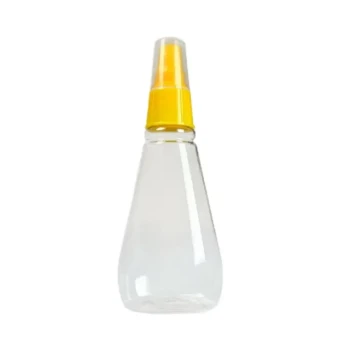
Data integrity begins at the moment of collection, not just in the laboratory. The use of sealed original packaging during honey transport is the critical control point for preventing environmental interference. Its primary function is to create an airtight barrier that isolates the honey from external air, ensuring that the moisture content analyzed in the lab exactly matches the conditions at the production site.
The core challenge in honey sampling is that honey is highly hygroscopic, meaning it naturally absorbs moisture from the air. Without a strictly airtight seal, the sample will interact with the environment during transport—either absorbing humidity or evaporating water—which inevitably leads to skewed data and false quality reports.
The Critical Role of Moisture Isolation
Preventing Hygroscopic Absorption
Honey is chemically predisposed to absorb moisture from the surrounding environment. If the packaging allows any air exchange, the sample will pull humidity from the atmosphere.
This alters the specific gravity and fermentation risk of the sample before it ever reaches the testing equipment.
Stopping Moisture Evaporation
The exchange of moisture works both ways. In dry environments, an unsealed sample can lose water content through evaporation.
This artificial reduction in moisture can make the honey appear thicker or more "ripe" than it actually is, leading to a false positive regarding the quality of the production batch.
Guaranteeing Representative Analysis
The ultimate goal of sampling is to evaluate the honey's quality at the production site.
Sealed packaging "freezes" the physical state of the honey. This ensures that subsequent physical and chemical analyses measure the producer's process, not the storage conditions of the transport vehicle.
Secondary Benefits to Data Accuracy
Maintaining Chemical Stability
Beyond moisture, sealed packaging serves as a barrier against oxidation. Continuous exposure to fresh air can alter the chemical composition of the honey over time.
By limiting oxygen exposure, you preserve the original physicochemical properties, ensuring that color and flavor profiles remain consistent with the original batch.
Excluding Contaminants
While moisture is the primary concern for physicochemical metrics, sealed packaging also ensures hygiene data accuracy.
Using sterilized, sealed containers prevents the introduction of external microbial contamination, ensuring that any bacteria or yeast detected by the lab originated from the honey itself, not the sampling process.
Understanding the Risks and Limitations
The "False Seal" Pitfall
A common error is assuming that "closed" means "sealed." Standard lids may not provide the strict airtightness required to stop molecular moisture exchange.
If the original packaging does not possess a hermetic seal, the data must be treated with skepticism, particularly regarding moisture content.
Temperature vs. Sealing
It is important to note that while sealing prevents material exchange (moisture/dirt), it does not insulate against heat.
Sealed packaging protects against humidity fluctuations, but if the sample is exposed to extreme heat during transport, chemical changes (like HMF levels) can still occur regardless of the seal.
Ensuring Data Validity in Your Sampling Protocol
To maximize the reliability of your laboratory reports, align your packaging choice with your specific analytical goals.
- If your primary focus is Moisture and Fermentation Analysis: Prioritize strict airtightness above all else to prevent hygroscopic activity from altering the water content.
- If your primary focus is Pollen or Chemical Composition: Ensure the use of chemically inert materials (like glass) to prevent reactions between the honey and the container walls.
- If your primary focus is Hygiene and Safety: Use sterilized containers with secondary seals to rule out false positives regarding microbial contamination.
Ultimately, the seal is not just a lid; it is the guarantee that your data represents reality.
Summary Table:
| Feature | Impact on Data Accuracy | Risk of Improper Sealing |
|---|---|---|
| Moisture Control | Prevents hygroscopic absorption/evaporation | Skewed moisture levels and false quality reports |
| Chemical Stability | Limits oxidation to preserve color and flavor | Altered physicochemical profiles over time |
| Contaminant Barrier | Ensures detected microbes are from the source | False positives due to external environmental bacteria |
| Physical State | "Freezes" the state of honey at collection | Samples reflect transport conditions rather than production |
Secure Your Honey Quality with HONESTBEE
At HONESTBEE, we understand that for commercial apiaries and honey distributors, data precision is the backbone of your brand's reputation. As your comprehensive wholesale partner, we provide more than just equipment—we provide reliability.
From high-precision honey-filling machines and specialized hive-making hardware to a full spectrum of beekeeping tools and consumables, we empower your operation to maintain the highest standards of hygiene and integrity. Whether you are scaling a commercial apiary or supplying a distribution network, our professional-grade solutions ensure your products reach the market in peak condition.
Ready to elevate your production standards? Contact us today to explore our wholesale catalog and see how HONESTBEE can streamline your beekeeping operations.
References
- Milica Živkov Baloš, Dragana Ljubojević Pelić. COMPARATIVE STUDY OF WATER CONTENT IN HONEY PRODUCED IN DIFFERENT YEARS. DOI: 10.46784/e-avm.v12i1.42
This article is also based on technical information from HonestBee Knowledge Base .
Related Products
- Automatic Single-Dose Snap & Squeeze Honey Sachets Packing Machine
- Double Nozzle Small Honey Filling Machine Honey Sachet Packing Packaging Equipment
- Hexagonal Glass Honey Jars with Metal Lug Caps Elegant Versatile Packaging
- Honey Stick Filler Vertical Paste Sachet Packing Machine for Honey Sachets
- Small Honey Filling Machine Sachet Packing Equipment Single Nozzle
People Also Ask
- What are the advantages of honey sachet packing machines? Boost Efficiency & Unlock New Markets
- What are the main functions of a honey sachet packing machine? Boost Efficiency with Automated Precision
- How does an industrial-grade honey sachet packaging machine assist beekeepers in accessing public institution markets?
- Why is automated packaging machinery essential for scaling industrial honey production? Drive Commercial Scalability
- How does the viscosity of honey influence packaging choices? Selecting the Best Containers & Machinery