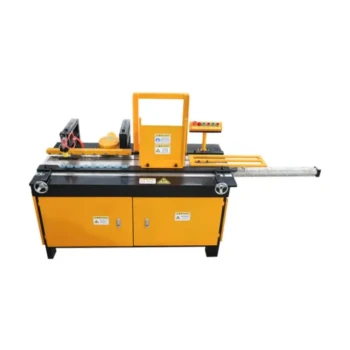
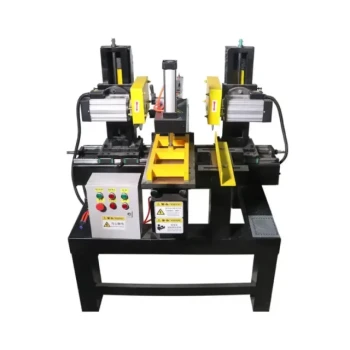
Specialized hive-making equipment drives apiary efficiency by manufacturing standardized, weather-resistant structures that fundamentally improve both colony health and operational logistics. By utilizing precision woodworking and hive-forming machinery, apiarists create a controlled environment that reduces bee mortality and maximizes honey yield, while simultaneously producing uniform components that enable large-scale mechanization and migratory beekeeping.
Core Insight: The value of specialized hive-making equipment is not just in faster construction, but in the standardization it creates. Precision-manufactured hives bridge the gap between biology and industry, reducing the biological stress on bees (increasing yield) while allowing the beekeeper to treat hive management as a scalable, mechanized industrial process.
Optimizing Biological Performance
The primary efficiency gain comes from creating a superior physical environment for the honeybee. Precision manufacturing directly impacts the colony’s ability to thrive and produce.
Temperature and Humidity Regulation
High-precision hive structures are essential for maintaining a stable internal microclimate. Tightly constructed, standardized hives optimize temperature and humidity management, reducing the energy the colony must expend on thermoregulation.
When hives are well-insulated and structurally sound, bees consume fewer resources to heat or cool the hive. This creates an energy surplus, allowing the colony to redirect effort toward nectar collection and pollination, directly increasing honey yield.
Disease and Pest Mitigation
Standardized, well-sealed hives significantly reduce the risk of pest infiltration and disease spread. A controlled environment is a critical defense against threats like Colony Collapse Disorder (CCD).
By lowering environmental stress and preventing structural gaps where pests might enter, these hives reduce colony mortality rates. This ensures that a higher percentage of colonies survive overwintering, maintaining productive capacity year-round.
Enhancing Operational Scalability
Beyond biological benefits, specialized equipment transforms beekeeping from a manual craft into a streamlined industrial operation.
Enabling Mechanization
The most critical contribution of hive-making machines is industrial-grade standardization. When every box and frame is dimensionally identical, beekeepers can utilize automated machinery for downstream tasks.
Standardized hardware facilitates mechanized honey harvesting and automatic pollen trapping. It allows for the use of automatic scrapers and extraction lines, which drastically reduces labor intensity and operational costs compared to manual handling.
Streamlining Logistics and Transport
Precision-made hives are vital for efficient migratory beekeeping. Uniform dimensions allow hives to be stacked securely and transported efficiently to follow flowering periods or fulfill pollination contracts.
This mobility unlocks additional revenue streams through pollination services. It also ensures bees have continuous access to high-quality nectar sources, maximizing the total annual yield per colony.
Improving Allocative Efficiency
Standardization eliminates the "idle time" of production materials. In a non-standardized apiary, a frame from Hive A might not fit Hive B, leading to wasted resources and inventory inefficiencies.
With specialized manufacturing, all components are interchangeable. This optimizes the redistribution of consumables and ensures that every piece of equipment is utilized to its full potential, solving the issue of low allocative efficiency that plagues many apiaries.
Understanding the Trade-offs
While specialized equipment offers immense benefits, it introduces specific management requirements.
The Allocative Efficiency Trap
Possessing high-quality hives is not enough; they must be managed effectively. The "inefficient utilization" of even the best hives—such as leaving them empty or mismanaging their deployment—leads to a decline in economic efficiency. The equipment reduces the potential for loss, but the beekeeper must actively optimize the redistribution of resources to realize those gains.
Capital vs. Labor Balance
The shift to specialized machinery represents a move from variable labor costs to fixed capital costs. While this reduces manual labor intensity, it requires a commitment to a large-scale operational model to amortize the cost of the machinery. Small-scale operations may find the initial investment disproportionate to the efficiency gains unless they plan to scale significantly.
Making the Right Choice for Your Goal
To maximize the return on investment in specialized hive-making equipment, align your implementation with your specific operational focus.
- If your primary focus is Maximum Honey Yield: Prioritize equipment that produces heavy-duty, weather-resistant hives with superior insulation to conserve bee energy for nectar collection.
- If your primary focus is Scalability and Labor Reduction: Prioritize equipment that ensures strict dimensional precision to enable mechanized harvesting, transport, and frame interchangeability.
The ultimate efficiency of an apiary relies on using precision tools to standardize the unpredictable variables of nature.
Summary Table:
| Efficiency Factor | Benefit of Specialized Equipment | Impact on Apiary Performance |
|---|---|---|
| Biological Output | Optimized insulation & microclimate | Reduced bee mortality; higher honey yield |
| Standardization | Precision-manufactured, uniform parts | Interchangeable components; reduced waste |
| Mechanization | Compatibility with automated tools | Lower labor costs; faster honey extraction |
| Logistics | Secure, stackable hive designs | Enhanced mobility for migratory beekeeping |
| Scalability | Industrial-grade production speed | Ability to manage more colonies with less effort |
Maximize Your Apiary's Commercial Potential with HONESTBEE
Are you ready to transform your beekeeping operation from a manual craft into a high-yield industrial powerhouse? HONESTBEE specializes in empowering commercial apiaries and distributors with the precision tools necessary for global competition.
Our Value to You:
- Comprehensive Wholesale Catalog: From advanced hive-making and honey-filling machines to essential industry consumables.
- Precision Engineering: Our equipment ensures the strict standardization required for mechanized harvesting and large-scale migratory logistics.
- End-to-End Solutions: We supply everything from heavy-duty hardware to honey-themed cultural merchandise to diversify your revenue streams.
Don't let inefficient equipment cap your growth. Contact HONESTBEE today to discover how our specialized machinery and tools can streamline your production and boost your bottom line.
References
- Eduardo Clemente Alves, Celso Augusto Rimoli. Innovation in Small Business Networks: A Case Study in the Beekeeping Sector. DOI: 10.2139/ssrn.4065490
This article is also based on technical information from HonestBee Knowledge Base .
Related Products
- High-Efficiency Pneumatic Bee Hive Making Machine for Rapid Box Assembly
- Professional Stainless Steel Pry-Bar Hive Tool
- Professional Multi-Function Stainless Steel Hive Tool
- Stainless Steel J Hook Hive Tool for Beekeeping
- Beehive Handle and Frame Rest Cutting Machine: Your Specialized Hive Machine
People Also Ask
- How does the introduction of professional beehive-making machinery benefit sustainable beekeeping? Scale Your Apiary
- Why is specialized beehive-making machinery critical for low-defense breeding? Enhance Selection with Precision Tools
- How does the introduction of specialized beehive making machinery contribute to increasing the scale of regional beekeeping industries?
- What is the importance of specialized beehive making machinery in a circular bio-economy? Build Local Sustainability
- Why is specialized beehive-making machinery essential? Scale Your Apiary with Precision Industrial Standards