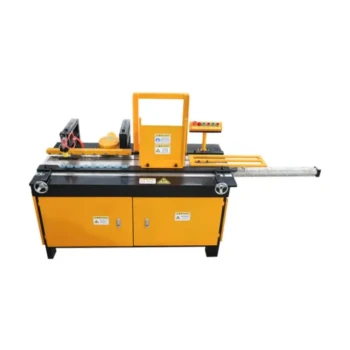
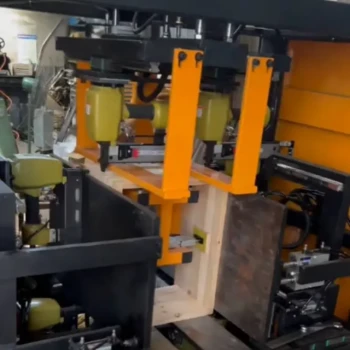
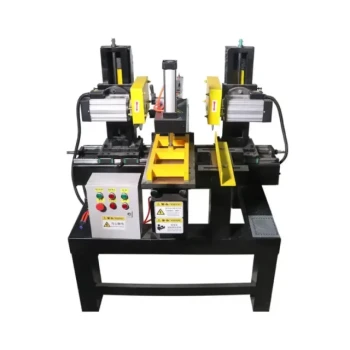
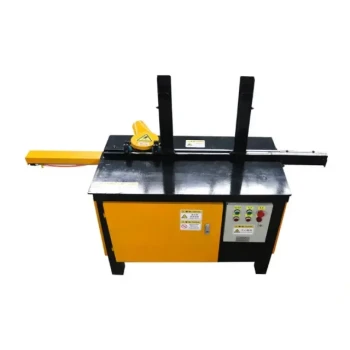
Standardized beekeeping hive-making machinery is a critical tool for forest conservation because it enables the transition from destructive "honey hunting" to sustainable apiary management. By allowing communities to manufacture manageable hives from sustainable or waste materials, this technology eliminates the necessity of felling trees or using fire to access wild honey, directly preserving primary forest habitats.
True conservation requires replacing extractive practices with sustainable alternatives. By providing the infrastructure for permanent apiaries, standardized machinery protects forests from physical destruction while optimizing the use of raw timber resources.
Eliminating Destructive Harvesting Practices
The Shift from Hunting to Husbandry
In many traditional contexts, harvesting wild honey involves cutting down trees to access the comb. Standardized machinery breaks this cycle by producing affordable, manageable hives that serve as permanent homes for bee colonies. This allows communities to harvest honey repeatedly without damaging the host tree or the surrounding ecosystem.
Preventing Fire Damage
Traditional wild harvesting often utilizes fire to smoke out bees, posing a significant risk of uncontrolled forest fires. By creating a structured environment for bees within a manufactured hive, machinery eliminates the need for open flames during the harvesting process.
Utilizing Alternative Materials
Standardized machinery is versatile and can process sustainable materials or waste byproducts into viable hive components. This reduces the reliance on harvesting fresh timber from primary forests, allowing communities to build apiaries using resources that do not degrade the local canopy.
Optimizing Resource Efficiency
Precision and Material Yield
Professional wood processing equipment operates with much higher precision than manual construction methods. This accuracy minimizes waste during the manufacturing process, significantly reducing the volume of raw wood required to produce each unit.
Durability and Longevity
Machinery produces hives with superior structural stability and weather resistance compared to handmade alternatives. Because these hives last longer and withstand complex forest climates, there is a reduced need for frequent replacement, thereby decreasing the long-term demand for timber.
Maximizing Density and Yield
Industrial-scale manufacturing enables the rapid deployment of uniform hives, increasing the "carrying capacity" of the forest for managed bees. This allows for a higher honey yield per unit of forest area, reducing the economic pressure to clear more land for agricultural usage.
Understanding the Trade-offs
Ecological Balance and Competition
While maximizing honey yield is beneficial for humans, introducing large numbers of managed hives can strain local resources. It is vital to use the precise population data provided by standardized management to ensure managed bees do not outcompete native wild pollinators for nectar and pollen.
Implementation Costs
The shift to mechanized production requires an initial investment in equipment and energy that traditional methods do not. The ecological benefit is realized over the long term through forest preservation, but the upfront carbon footprint of manufacturing the machinery itself must be acknowledged.
Making the Right Choice for Your Goal
To leverage hive-making technology effectively, align your equipment choice with your specific conservation or production objectives.
- If your primary focus is Habitat Protection: Prioritize machinery capable of processing waste timber or bamboo to eliminate the need for harvesting primary forest wood.
- If your primary focus is Operational Efficiency: Select industrial-grade machinery that ensures 100% component interchangeability to streamline migration and management.
- If your primary focus is Biodiversity Research: Utilize standardized equipment to create controlled buffer zones where colony numbers can be precisely tracked against native species health.
By adopting standardized machinery, you transform beekeeping from a resource-intensive activity into a cornerstone of forest stewardship.
Summary Table:
| Conservation Benefit | Impact Mechanism | Environmental Outcome |
|---|---|---|
| Habitat Preservation | Transitions from wild honey hunting to permanent apiaries. | Stops the felling of trees for honey access. |
| Fire Prevention | Enables controlled harvesting within structured hives. | Reduces the risk of uncontrolled forest wildfires. |
| Resource Efficiency | Precision cutting and high-durability manufacturing. | Minimizes wood waste and lowers timber demand. |
| Alternative Materials | Processes waste byproducts or sustainable bamboo. | Protects primary forest canopies from harvesting. |
Partner with HONESTBEE for Sustainable Success
Are you looking to scale your conservation efforts or commercial operations? HONESTBEE empowers commercial apiaries and distributors with the specialized tools needed to transform beekeeping into a force for forest stewardship.
We provide a comprehensive wholesale range, including:
- Advanced Machinery: Hive-making and honey-filling machines for high-precision production.
- Durable Equipment: A full spectrum of beekeeping tools and hardware designed for longevity.
- Industry Consumables: Essential supplies to keep your apiaries running smoothly.
- Cultural Merchandise: Honey-themed goods to promote your brand's heritage.
By choosing HONESTBEE, you gain a partner dedicated to efficiency, durability, and ecological responsibility. Contact us today to explore our wholesale solutions and see how we can help you grow your business while protecting our forests.
References
- Katie D. Ricketts, Charlie M. Shackleton. Integrating livelihoods and forest conservation through beekeeping in northern KwaZulu-Natal. DOI: 10.1080/0376835x.2019.1698408
This article is also based on technical information from HonestBee Knowledge Base .
Related Products
- High-Efficiency Pneumatic Bee Hive Making Machine for Rapid Box Assembly
- Beehive Handle and Frame Rest Cutting Machine: Your Specialized Hive Machine
- Mini Desktop Bee Hive Frame Forming Making Machine
- Automatic High-Speed Bee Hive Box Stapling Machine
- Beehive Machine Double End Saw for Precision Hive Component Manufacturing
People Also Ask
- How does the introduction of professional beehive-making machinery benefit sustainable beekeeping? Scale Your Apiary
- Why is specialized beehive-making machinery critical for low-defense breeding? Enhance Selection with Precision Tools
- How does the introduction of specialized beehive making machinery contribute to increasing the scale of regional beekeeping industries?
- What is the importance of specialized beehive making machinery in a circular bio-economy? Build Local Sustainability
- Why is specialized beehive-making machinery essential? Scale Your Apiary with Precision Industrial Standards