Transport equipment acts as the critical logistical enabler for migratory beekeeping, directly influencing productivity by allowing apiarists to synchronize their operations with flowering schedules across vast geographic areas. By facilitating the rapid movement of hives, this equipment allows colonies to capitalize on peak nectar flows in different regions, effectively extending the productive season and maximizing annual honey yields.
Specialized transport gear shifts beekeeping from a static agricultural practice to a dynamic resource management strategy. It solves the problem of local resource depletion by enabling mobility, while simultaneously protecting colony health to ensure bees can work immediately upon arrival.
Maximizing the Nectar Window
The primary driver of increased productivity in migratory beekeeping is the ability to chase the bloom. Transport equipment solves the limitations of fixed-point beekeeping by turning geography into a variable asset.
Extending the Production Cycle
Standard beekeeping is limited by the flowering duration of a single location. Transport equipment enables the dynamic allocation of colonies, allowing them to follow blooming periods from region to region. By moving hives to new sites as local resources fade, you effectively eliminate "downtime," ensuring the colony remains in a state of high production for a larger portion of the year.
Accessing Diverse Altitudes
Specialized vehicles provide the stability required to traverse difficult terrain, such as moving from lowlands to highlands. This capability allows beekeepers to exploit vertical vegetation zones. As flowers bloom later at higher altitudes, equipment that facilitates this climb allows for multiple distinct harvests within a single season.
Preserving Colony Vitality During Transit
Moving hives is inherently stressful for bees. The quality of the transport equipment determines whether the colony arrives ready to work or in a state of recovery.
Reducing Physical Stress
Modern transport solutions integrate shock-absorbing structures and advanced ventilation systems. These features are critical for preventing high mortality rates caused by heat buildup or severe vibrations during long-distance transit. Without these protections, the stress response in bees can lead to population loss and reduced vigor.
Ensuring Immediate Activity
Productivity is not just about survival; it is about readiness. When transport equipment effectively mitigates environmental stress, colonies can resume collection activities immediately upon arrival at a new source, such as a rapeseed field or forest area. This eliminates the lag time often associated with transport recovery, ensuring the apiary captures the full duration of the nectar flow.
Operational Efficiency and Safety
The physical mechanics of moving hives impact how many colonies can be managed and how quickly they can be deployed.
Rapid Deployment
High-load professional transport platforms and lifting equipment streamline the loading and unloading process. This logistical efficiency reduces the physical labor required and minimizes the time hives spend closed up. Faster deployment means the bees spend more time foraging and less time in transit.
Security and Stability
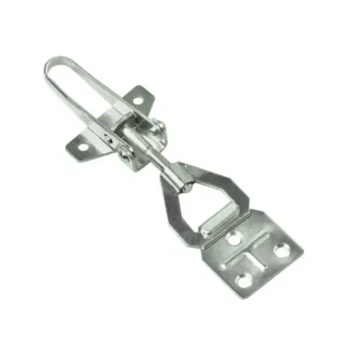
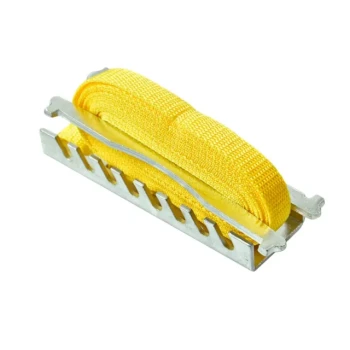
Specialized locking devices and non-slip loading racks are essential for maintaining the structural integrity of the hives during movement. These devices prevent components from shifting or leaking, which protects the safety of the operators and further minimizes disturbance to the bees.
Understanding the Trade-offs
While specialized equipment enhances productivity, it introduces new variables that must be managed carefully.
The Complexity of Logistics
Migratory beekeeping requires a higher level of management than fixed-point operations. The reliance on high-load platforms and specialized vehicles increases the technical complexity of the operation. Success depends not just on the bees, but on the reliability and maintenance of the transport fleet.
Monitoring Requirements
Despite the best equipment, movement always imposes some environmental stress. To balance high yields with colony survival, professional monitoring tools are necessary. You must actively track colony health during transit to ensure that the pursuit of high-quality nectar does not come at the cost of long-term colony viability.
Making the Right Choice for Your Goal
To leverage transport equipment effectively, align your gear with your specific operational objectives.
- If your primary focus is Maximizing Annual Yield: Prioritize high-load platforms and lifting equipment that allow for rapid deployment to catch short, intense flowering windows across multiple regions.
- If your primary focus is Colony Health and Longevity: Invest heavily in vehicles with advanced ventilation and shock-absorbing systems to minimize the biological cost of long-distance migration.
Ultimately, the right transport equipment converts the challenge of resource scarcity into an opportunity for continuous production.
Summary Table:
| Impact Factor | Benefit to Productivity | Key Equipment Features |
|---|---|---|
| Resource Access | Extends honey season by following peak blooms | High-load platforms & lifting gear |
| Colony Health | Reduces bee mortality and transit stress | Advanced ventilation & shock absorption |
| Operational Speed | Enables immediate foraging upon arrival | Rapid deployment & locking systems |
| Resource Utilization | Allows access to diverse altitudes/regions | Specialized all-terrain transport vehicles |
Maximize Your Apiary's Potential with HONESTBEE
Transitioning from static to migratory beekeeping requires the right logistical partner. HONESTBEE empowers commercial apiaries and distributors with high-performance transport solutions, specialized hive-making machinery, and professional-grade beekeeping tools. Our comprehensive wholesale offering ensures your colonies stay productive and healthy, no matter how far you travel.
Why partner with us?
- Full Spectrum Supply: From honey-filling machines to essential consumables.
- Built for Scale: Equipment designed to meet the rigorous demands of commercial beekeeping.
- Global Support: Dedicated service for international distributors and large-scale operations.
Ready to upgrade your mobility and increase your annual honey yield? Contact us today to explore our wholesale equipment solutions!
References
- Khetam Edrees. Economics of Honey Beekeeping A CSE STUDY OF Homs Governorate, Syria. DOI: 10.14445/23942568/ijaes-v8i5p105
This article is also based on technical information from HonestBee Knowledge Base .
Related Products
- Plastic Transporting Bee Packages and Nuc Boxes for Beekeeping
- Durable Plastic Interlocking Hive Connector for Beekeeping
- Heavy Duty Adjustable Hive Connector
- High-Efficiency Pneumatic Bee Hive Making Machine for Rapid Box Assembly
- Professional Grade Foldable Beehive Handles
People Also Ask
- What role do bee package boxes play in the commercial transport and expansion of honeybee colonies? - Logistic Essentials
- What are beekeeping boxes called? A Guide to Hive Bodies and Box Types
- How do standardized bee packages serve as a recovery mechanism for commercial beekeeping? Ensure Business Continuity
- What is the commercial value of using standardized bee packages? Drive Scalability in Large-Scale Apiaries
- Why is the timely introduction of high-quality bee packages critical? Save Your Apiary from Asian Hornet Invasions