Upgrading from traditional hives to modern frame hives can nearly double average honey output while improving harvest cleanliness, colony survival, and commercial consistency. Traditional hives often produce less than 10 kg of honey per hive annually, while well-managed frame hives commonly approach 20 kg and may reach 35 kg or more in high-performing regions. The exact result depends on bee genetics, forage availability, climate, colony strength, and management quality.
The main benefit is not simply a larger hive yield. Movable frames let commercial beekeepers inspect colonies, control pests, manage swarms, and extract honey without destroying the comb—creating a more productive, hygienic, and scalable operation.
Why Traditional Hives Limit Commercial Productivity
Fixed combs restrict colony management
In traditional hives made from bamboo, clay, branches, or hollow logs, honeycombs are usually attached permanently to the hive structure. Removing honey often damages the nest and disrupts the colony.
This makes it difficult to assess brood condition, identify queen problems, monitor food stores, or intervene early when disease and pests appear.
Harvesting can weaken or destroy colonies
Traditional extraction methods may require cutting out comb or opening the hive extensively. The colony must then rebuild its nest, consuming time and energy that could otherwise support honey production.
Repeated disturbance can also increase colony stress and contribute to absconding, especially where forage conditions or management practices are already challenging.
Output is difficult to standardize
Traditional hives vary widely in size, construction, ventilation, and internal structure. That variability makes it difficult to compare colonies, plan harvest volumes, or maintain consistent production across multiple apiary sites.
For distributors, wholesalers, and commercial beekeepers, this lack of standardization also complicates equipment supply, spare-part replacement, training, and after-sales support.
How Modern Frame Hives Increase Honey Yields
Movable frames enable non-destructive harvesting
Modern frame hives allow beekeepers to remove individual frames without dismantling the entire nest. Honey can be harvested while preserving brood comb and the colony’s established working structure.
Because bees do not need to rebuild the nest after every harvest, more of their available energy can support foraging, honey storage, and colony development.
Regular inspections improve colony strength
Frame-by-frame inspection gives beekeepers direct visibility into brood patterns, queen performance, food reserves, and colony population. This allows weak colonies to be supported and strong colonies to be managed before they swarm.
Better swarm control and timely colony intervention are major contributors to higher annual production in commercial apiaries.
Pest and disease control becomes practical
Movable frames make it easier to identify signs of pests, disease, poor nutrition, or inadequate ventilation. Beekeepers can isolate affected colonies, replace damaged comb, and apply appropriate management measures more efficiently.
Healthier colonies are more likely to maintain strong populations during key flowering periods, when honey production potential is highest.
Standardization supports repeatable output
Modern frame hives provide consistent internal dimensions and compatible components. This enables commercial operators to apply the same inspection, feeding, splitting, requeening, and harvesting procedures across many colonies.
The result is not only a higher yield per hive but also more predictable production planning for bulk buyers and export-oriented businesses.
How Frame Hives Improve Harvest Quality
Cleaner honey extraction
Frame hives support the use of specialized harvesting tools and controlled extraction methods. Honey can be removed from selected frames without mixing it unnecessarily with brood material, debris, or damaged nest components.
This improves the cleanliness and presentation of the final product.
Better hygiene and traceability
Standardized equipment makes it easier to establish consistent sanitation procedures. Frames, tools, and harvesting surfaces can be cleaned, inspected, and replaced according to defined operating practices.
For commercial operations, this supports more reliable quality control and helps meet buyer expectations for hygienic handling.
More uniform commercial batches
Because frame hives allow honey frames to be selected and harvested systematically, operators can manage batches more consistently. This is important when supplying wholesalers, food manufacturers, retailers, or export markets that require dependable volume and quality.
The upgrade can also improve the value of associated products such as beeswax, provided comb handling and processing are properly managed.
What Commercial Operations Need for the Upgrade
Standardized hive systems
A commercial transition normally requires a complete hive system rather than isolated boxes. This includes hive bodies, supers, movable frames, covers, stands, and compatible replacement components.
Consistency across the equipment fleet reduces training requirements and simplifies maintenance.
Foundation sheets and frame components
Foundation sheets help guide comb construction and encourage orderly frame use. Properly assembled frames also make inspection, extraction, storage, and replacement more efficient.
These components are especially important when an apiary is expanding rapidly or producing equipment locally.
Hive-making and production equipment
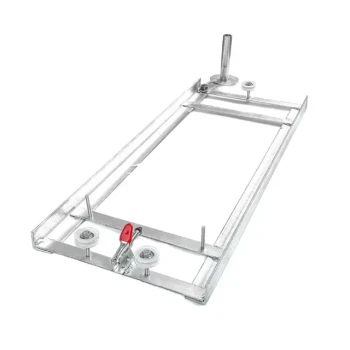
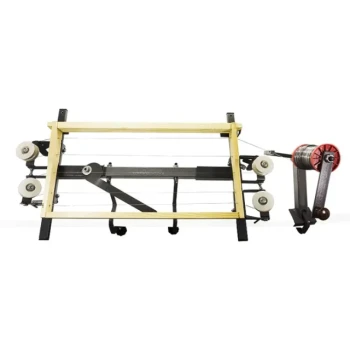
Large operations and regional suppliers may benefit from hive-making machinery that supports repeatable dimensions and faster production. Local manufacturing can improve availability, reduce unit costs, and shorten replacement lead times when supported by reliable materials and quality control.
For distributors and resellers, a broader equipment portfolio can create a more practical one-stop sourcing offer for commercial customers.
Specialized harvesting tools
The productivity advantage of frame hives is best realized when paired with suitable harvesting equipment. Depending on operation size, this may include uncapping tools, extractors, strainers, food-grade containers, protective equipment, and cleaning systems.
The correct equipment package reduces labor bottlenecks during peak flowering and harvest periods.
Understanding the Trade-offs
Higher initial investment
Modern frame hives and harvesting tools cost more initially than improvised traditional hive materials. The investment must therefore be evaluated against expected increases in yield, labor efficiency, colony retention, and product value.
The strongest business case usually comes from phased replacement, beginning with high-potential apiary sites or expansion colonies.
Equipment alone does not guarantee higher yields
Frame hives create the conditions for better productivity, but they do not replace skilled management. Poor queen quality, limited forage, pests, inadequate nutrition, or unsuitable placement can prevent the expected gains.
Yield figures should be treated as operational benchmarks, not guarantees. Reports of approximately 20 kg per hive, and higher results in favorable regions, depend on effective management and local conditions.
Training is essential
Beekeepers accustomed to fixed-comb hives must learn frame inspection, swarm prevention, seasonal management, hygienic extraction, and equipment maintenance. Without training, frequent inspections can create unnecessary disturbance rather than improve colony performance.
Suppliers that provide technical guidance, operating instructions, and responsive customer service can materially improve adoption outcomes.
Compatibility must be controlled
Mixing incompatible hive dimensions, frame sizes, or harvesting systems creates inefficiencies. Commercial buyers should confirm specifications across the entire equipment package before placing large orders.
Reliable technical support and rapid replacement supply are particularly important for operations managing large or geographically distributed apiaries.
Making the Right Choice for Your Goal
The upgrade should be planned as a production system, not simply as a change in hive box design.
- If your primary focus is higher honey yield: Prioritize standardized movable-frame hives, strong colony management, swarm control, and timely inspections during major flowering periods.
- If your primary focus is premium honey quality: Pair frame hives with hygienic harvesting tools, food-grade containers, controlled extraction, and consistent sanitation procedures.
- If your primary focus is commercial scale: Standardize hive dimensions and components across the apiary, then build a dependable supply chain for frames, foundation sheets, spare parts, and harvesting equipment.
- If your primary focus is distribution or resale: Offer a complete product portfolio—from hive bodies and frames to machinery and harvesting tools—supported by technical expertise, fast response, and efficient order fulfillment.
- If your primary focus is reducing colony losses: Use movable frames for routine inspections, disease monitoring, queen management, and non-destructive harvesting that preserves the colony’s nest structure.
Modern frame hives give commercial apiculture the control, consistency, and product quality required to turn honey production into a scalable operation.
Summary Table:
| Aspect | Traditional Hives | Modern Frame Hives |
|---|---|---|
| Honey yield per hive | Less than 10 kg/year | ~20 kg/year, up to 35+ kg in favorable conditions |
| Harvest method | Destructive, damages comb and colony | Non-destructive, preserves brood and comb |
| Colony management | Limited inspection, difficult pest control | Regular inspections, effective swarm and disease control |
| Product quality | Variable, mixed with debris | Cleaner, more hygienic, uniform batches |
| Standardization | Inconsistent dims, hard to scale | Consistent, repeatable operations |
| Investment | Lower initial, higher long-term losses | Higher initial, rapid ROI via increased production |
Ready to maximize your apiary's output and meet commercial demand? HONESTBEE provides a comprehensive one-stop sourcing solution for commercial beekeepers, distributors, and wholesalers. From standardized frame hives and quality foundations to honey extraction machinery and protective gear, we supply all you need for efficient, hygienic, and scalable production. Our premium trading services ensure rapid responses, dedicated support, deep expertise, and ultra-fast delivery, so you can focus on growing your business. For distributors, we offer high profit margins, OEM/ODM options, and certifications to strengthen your supply chain. Contact us today to upgrade your operation and boost productivity! Get in touch now.
Related Products
- Modern Flat-Mount Hive Number Set for Beekeeping
- Wooden Bee Hive Frames for Beekeeping and Wholesale
- Plastic Bee Frame Beekeeping Hive Frames for Wholesale
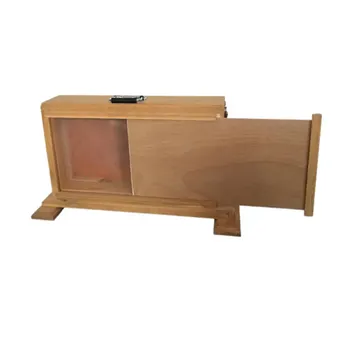
- Professional Observation Hive: The Ultimate Portable Solution for Beekeeping Education, Exhibitions, and Colony Displays
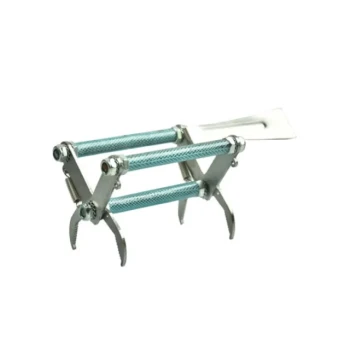
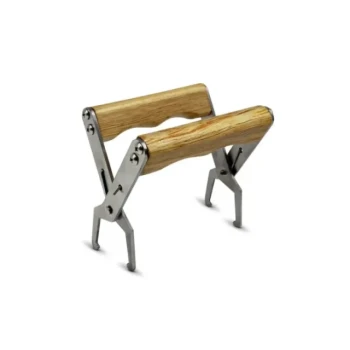
- Professional 3-Bar Frame Grip with Integrated Hive Tool
People Also Ask
- What are the primary advantages of modern beekeeping hives? Scale Your Apiary with Industrial Efficiency
- What is the impact of regular technical extension contact on the management of modern beekeeping hives? Enhance Hive Efficiency
- What are the structural and management advantages of modern beekeeping hives? Scale Your Honey Yields Today
- Why should the promotion of modern beekeeping hives be integrated with professional beekeeping tool kits and technical support?
- Why do forest beekeepers consider transitioning from traditional bark hives? Modernizing for Sustainable Yields