Weighing equipment acts as the definitive auditor of economic viability. It contributes to the assessment of Varroa-resistant colonies by quantifying surplus honey production in kilograms, providing the hard data necessary to ensure that biological resilience does not come at the expense of commercial productivity.
While Varroa resistance ensures a colony's survival, only honey production ensures its profitability. Weighing equipment validates that a resistant colony is not just a biological success, but a viable economic asset capable of generating surplus yield.
Measuring Economic Performance
Quantifying Surplus Production
The primary function of weighing equipment in this context is to accurately measure surplus honey production.
By tracking weight in kilograms, breeders move beyond visual estimates to obtain precise, objective yield data. This establishes the baseline commercial value of the colony.
Assessing Colony Vigor Across Seasons
Commercial value is not determined by a single harvest, but by consistency.
Weighing equipment monitors performance across different seasons, offering insights into the colony's long-term vigor. This continuous data stream helps identify colonies that maintain productivity despite environmental fluctuations.
The Intersection of Resistance and Yield
The Dual-Selection Strategy
To create a commercially viable strain, biological traits cannot be evaluated in isolation.
High-precision yield data from scales is combined with mite-resistance metrics to form a complete profile. This synthesis allows breeders to select stock that excels in both health and production simultaneously.
Ensuring Commercial Viability
A colony that resists mites but produces no honey is commercially useless.
The data provided by weighing equipment ensures that the selected breeding stock maintains the production capacity required for professional beekeeping. It acts as a safeguard, filtering out resistant but low-performing lineages.
Understanding the Trade-offs
The Risk of Single-Trait Selection
Focusing exclusively on Varroa resistance can inadvertently lead to "genetic drift" away from productive traits.
Without the objective feedback of weighing equipment, breeders risk selecting "survivor stock" that lacks the energy or behavioral traits to gather surplus nectar. The scale forces a necessary compromise, ensuring resilience does not erode profitability.
Balancing Data Metrics
It is critical to interpret weight data in the context of colony health.
High honey yields can sometimes mask underlying issues if not cross-referenced with mite counts. The trade-off requires constant vigilance: a colony must not be selected solely for weight if its resistance metrics are borderline, nor solely for resistance if its weight gain is negligible.
Making the Right Choice for Your Goal
To effectively utilize weighing equipment in your breeding or selection program, consider your primary objectives:
- If your primary focus is Commercial Production: Prioritize colonies that demonstrate consistent weight gain in kilograms over multiple seasons, using this as your baseline for viability before assessing resistance.
- If your primary focus is Genetic Resilience: Use weighing equipment as a secondary validation tool to ensure that your highly resistant colonies meet the minimum threshold for necessary vigor and yield.
Data-driven selection ensures that the honey bee of the future is as profitable as it is resilient.
Summary Table:
| Evaluation Metric | Role of Weighing Equipment | Economic Impact |
|---|---|---|
| Surplus Yield | Quantifies honey production in precise kilograms | Determines baseline market value per colony |
| Seasonal Vigor | Tracks weight fluctuations across nectar flows | Identifies long-term performance consistency |
| Breeding Selection | Combines yield data with mite-resistance metrics | Prevents selection of low-productivity survivor stock |
| Genetic Drift Control | Detects loss of foraging drive in resistant lines | Safeguards against declining commercial viability |
Maximize Your Apiary's Commercial Potential with HONESTBEE
Transition from guesswork to data-driven profitability. At HONESTBEE, we specialize in empowering commercial apiaries and distributors with the high-precision tools necessary to validate the economic value of your colonies. From advanced honey-filling machines to specialized hive-making hardware and essential beekeeping consumables, our comprehensive wholesale portfolio is designed to enhance your efficiency.
Whether you are scaling a professional breeding program or supplying the industry's latest equipment, our expertise ensures you select the most productive and resilient stock. Partner with us to secure the tools your business needs to thrive—contact us today for wholesale inquiries!
References
- Robert G. Danka, Garrett E. Dodds. Selection of VSH-derived “Pol-line” honey bees and evaluation of their Varroa-resistance characteristics. DOI: 10.1007/s13592-015-0413-7
This article is also based on technical information from HonestBee Knowledge Base .
Related Products
- Ergonomic Two Person Foldable Hive Lifter
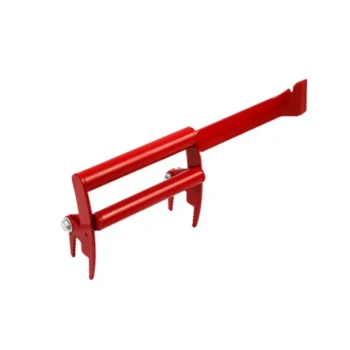
- Professional Frame Comb Fork and Lifter for Efficient Handling
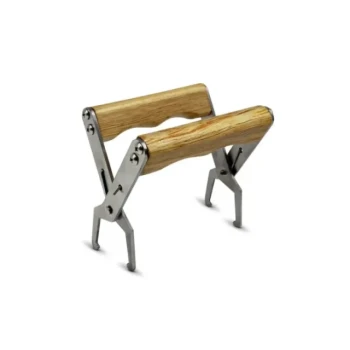
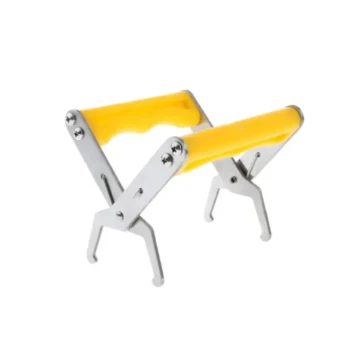
- Premium Frame Grip with Ergonomic Wood Handles
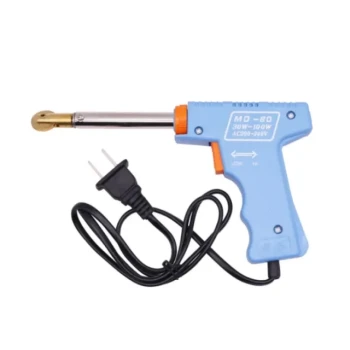
- HONESTBEE Adjustable Voltage Wire Embedder with Digital Display
- Digital Honey Refractometer for Precision Measurement of Optimal Honey Quality
People Also Ask
- Why is professional beehive transportation and lifting equipment necessary? Maximize Your Migratory Beekeeping Yield
- Why is ergonomic height adjustment of beehives necessary in commercial beekeeping operations? Optimize Efficiency & ROI
- How does the frame lifter hive tool function? Master Safe and Gentle Frame Removal
- What is the specific design and purpose of a frame lifter hive tool? Master Gentle Hive Inspections
- What is one type of hive lifting tool available to beekeepers? A Simple Solution for Heavy Hives