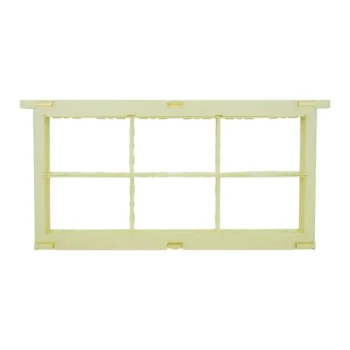
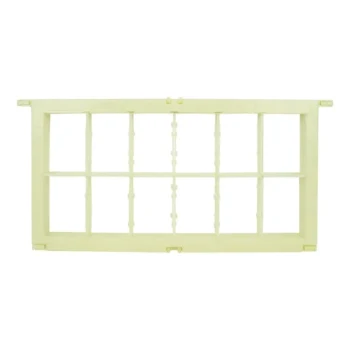
A 1x1 inch gridded frame is utilized as a standardized, non-invasive measurement tool to visually quantify the area of capped brood within a beehive. By overlaying this grid against the comb, technicians can calculate the specific coverage of developing bees, providing an accurate metric of colony health without physically disrupting the hive structure or harming the inhabitants.
This tool bridges the gap between observation and data by converting biological growth into quantifiable units. It specifically isolates queen performance and colony efficiency, allowing researchers to determine how developmental exposures impact the successful establishment of the colony.
The Mechanics of Assessment
Standardizing Visual Counts
The primary function of the 1x1 inch grid is to create a uniform unit of measure. Rather than relying on rough estimates of colony strength, the grid allows technicians to count specific squares of coverage.
This turns a visual inspection into a standardized dataset. It ensures that measurements remain consistent across different colonies and different observers.
Non-Invasive Evaluation
A critical advantage of this method is the protection of the subject. The reference highlights that this process allows for the assessment of capped brood "without harming the bees."
This is essential for long-term studies. It allows the colony to continue its natural behaviors and development cycles without the stress of invasive sampling methods.
Interpreting the Data
Quantifying Queen Performance
The data derived from the grid serves as a direct report card on the queen. By measuring the total area of capped brood, you are effectively quantifying her egg-laying performance.
A higher count of filled grid squares indicates a queen who is laying consistently and prolifically.
Measuring Brood-Rearing Efficiency
Beyond the queen, the grid evaluates the colony as a whole. It measures "brood-rearing efficiency," which reflects how well the worker bees are maintaining the larvae until they are capped.
If eggs are laid but not capped, the grid count will remain low. This highlights issues with the workforce's ability to nurse the brood, not just the queen's ability to lay.
Evaluating Developmental Exposures
The ultimate application of this data is to assess cause and effect. The tool facilitates the evaluation of "how developmental exposures affect subsequent colony establishment."
By comparing grid counts over time, researchers can pinpoint how specific environmental factors or treatments during development influence the colony's ability to thrive later.
Understanding the Scope and Limitations
Focus on Capped Brood
It is important to note that this tool is specifically calibrated for "capped brood."
While it provides an excellent metric for pupal development and colony establishment, it does not directly quantify eggs or open larvae in the early stages.
The Human Element
The process relies on technicians to "accurately count the coverage."
While the grid provides the standard, the accuracy of the data is still dependent on the precision of the technician performing the visual assessment.
Making the Right Choice for Your Goal
To effectively utilize a 1x1 inch gridded frame, align your usage with your specific data requirements:
- If your primary focus is Queen Health: Use the grid to track the consistency of capped brood patterns to verify egg-laying performance.
- If your primary focus is Environmental Research: Use the grid to quantify how external exposures during development correlate with reduced brood-rearing efficiency in the field.
The 1x1 inch grid transforms the complex biology of a hive into a clear, standardized metric for assessing colony success.
Summary Table:
| Metric Evaluated | Primary Focus | Key Benefit |
|---|---|---|
| Capped Brood Area | Total population growth | Standardized, non-invasive measurement |
| Queen Performance | Egg-laying consistency | Quantifiable 'report card' for queen health |
| Brood-Rearing Efficiency | Worker bee nurse capability | Identifies gaps between egg-laying and capping |
| Developmental Exposure | Environmental impact | Tracks how external factors affect establishment |
Scale Your Apiary Operations with Professional Precision
At HONESTBEE, we understand that for commercial apiaries and distributors, precision in monitoring is the foundation of a thriving business. Whether you are conducting large-scale research or managing thousands of hives, our comprehensive wholesale offering provides the tools you need to succeed.
From specialized beekeeping machinery and hive-making equipment to essential consumables and honey-themed merchandise, we supply the high-quality hardware required for efficient colony assessment and honey production.
Partner with HONESTBEE to enhance your operational efficiency and supply chain.
Contact our expert team today to discuss your wholesale needs
References
- Joseph Milone, David R. Tarpy. Effects of developmental exposure to pesticides in wax and pollen on honey bee (Apis mellifera) queen reproductive phenotypes. DOI: 10.1038/s41598-020-80446-3
This article is also based on technical information from HonestBee Knowledge Base .
Related Products
- HONESTBEE Wired and Assembled Wooden Bee Frames Foundation for a Thriving Hive
- Assembled Wooden Bee Frames with Plastic Foundation for Durability and Convenience by HONESTBEE
- Professional 500g Sectional Comb Honey Frame System for Beekeeping
- Assembled Wooden Bee Frames with Beeswax Foundation Ready to Use by HONESTBEE
- Professional Sectional Comb Honey Frame with 250g Cassette System for Beekeeping
People Also Ask
- What role does replacing foundation and frames play in controlling American Foulbrood (AFB)? A Key to Hive Sanitation
- What is the role of frames and foundation in a bee hive? Build a Stable and Productive Apiary with Modern Design
- What is the difference between frames and foundation in a bee hive? A Guide to Hive Structure and Comb Building
- What is the purpose of frames and foundations in a beehive? Achieve a Healthy, Manageable Hive
- How do wooden and plastic hive frames compare in terms of durability? Wood vs. Plastic Longevity & Repairability