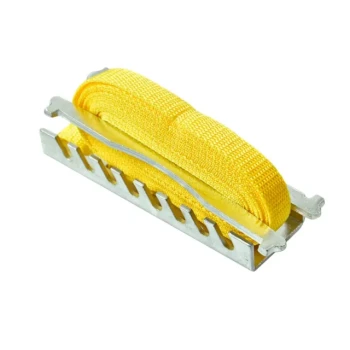
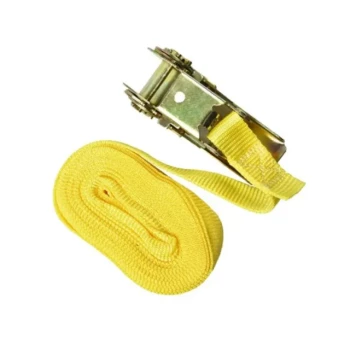
In the context of honey pressing, rope serves as the primary fastening mechanism that anchors the filtration medium. It is used to securely tie muslin cloth over collection basins or the discharge outlets of honey presses, ensuring the cloth remains under tension and in position against the force of the flowing honey.
While the muslin cloth acts as the filter, the rope guarantees the integrity of the process. It prevents the cloth from slipping or collapsing, ensuring that 100% of the honey passes through the filtration barrier rather than bypassing it.
The Mechanical Function of Rope
Securing the Filtration Interface
The primary role of the rope is to create a mechanical seal between the muslin cloth and the collection vessel.
By tightly binding the cloth to the rim of a basin or a press outlet, the rope transforms a loose piece of fabric into a fixed filtration interface.
Counteracting Flow Pressure
Honey is a viscous, heavy substance that exerts significant force when flowing from a press.
Without a rigid fastening system, this weight would pull the muslin cloth into the basin. The rope maintains high tension across the cloth surface, allowing it to withstand the physical stress of the extraction process.
Impact on Purification and Quality
Maintaining a Continuous Barrier
The effectiveness of muslin cloth relies entirely on its positioning.
Rope ensures that the cloth remains a continuous physical barrier throughout the operation. This setup forces all extracted material to pass through the weave, effectively capturing wax particles, bee debris, and large impurities.
Ensuring Market-Ready Purity
The collaboration between the rope and the cloth is essential for meeting local market standards.
By preventing the cloth from slipping, the rope eliminates the risk of "bypass"—where unfiltered honey leaks around the edges of the filter. This ensures the final product maintains high clarity and transparency, which are critical metrics for sale.
Common Pitfalls to Avoid
The Risk of Inadequate Tension
If the rope is tied too loosely, the muslin cloth will sag under the weight of the honey.
This sagging can compromise the filtration speed or causing the cloth to dip into the filtered honey below, potentially re-contaminating the product.
Material Slippage
Using rope that lacks grip or texture can lead to gradual loosening during a long press cycle.
A knot that slips even slightly can break the seal around the discharge outlet, allowing unfiltered debris to enter the clean collection basin.
Making the Right Choice for Your Goal
To maximize the effectiveness of your honey filtration setup, consider the following:
- If your primary focus is Maximum Purity: Ensure the rope creates an airtight seal around the basin rim so that absolutely no honey flows over the edge of the cloth rather than through it.
- If your primary focus is Process Continuity: Use a rope material that holds knots securely under tension to prevent the need for re-tying during the pressing operation.
Secure fastening is the silent guardian of honey quality, turning a simple cloth into a reliable purification system.
Summary Table:
| Component | Role in Honey Pressing | Key Benefit |
|---|---|---|
| Muslin Cloth | Primary Filtration Medium | Traps wax particles, bee debris, and large impurities. |
| Rope | Fastening Mechanism | Creates a mechanical seal and maintains cloth tension. |
| Tension | Flow Counter-force | Prevents the cloth from sagging or collapsing under heavy honey. |
| Seal Integrity | Bypass Prevention | Ensures 100% of honey passes through the filtration barrier. |
Scale Your Honey Production with Professional-Grade Solutions
At HONESTBEE, we understand that even the smallest auxiliary consumables, like high-grip ropes and high-quality muslin, are vital to the integrity of a commercial honey operation. As a dedicated partner to commercial apiaries and global distributors, we provide a comprehensive wholesale portfolio designed to optimize your workflow.
From specialized honey-pressing machinery and hive-making equipment to the essential consumables that guarantee market-ready purity, we have the tools you need to succeed.
Ready to elevate your honey quality? Contact us today to explore our wholesale equipment and specialized beekeeping hardware tailored to your business needs.
References
- A. Adekunle, Oluwatosin Emmanuel Obembe. PARTICIPATORY ASSESSMENT OF HONEY EXTRACTION METHODS IN THE SAVANNA BELT OF NIGERIA. DOI: 10.1081/fri-120014689
This article is also based on technical information from HonestBee Knowledge Base .
Related Products
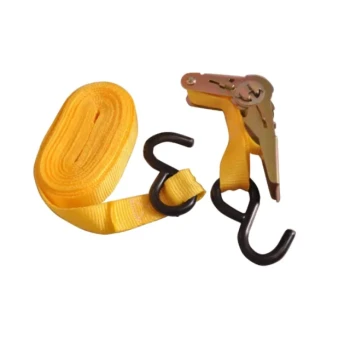
- Versatile Ratchet Hive Strap with S-Hooks for Secure Fastening
- Professional Grade Foldable Beehive Handles
- Precision Stainless Steel Frame Cleaner for Hive Grooves and Corners
- Professional Rechargeable Beekeeping Headlamp Flashlight with Red Light Mode and Type-C Charging
- HONESTBEE Adjustable Voltage Wire Embedder with Digital Display
People Also Ask
- How do you loosen a ratchet strap? Master the 180-Degree Release for Easy Unloading
- How is a ratchet strap loosened and removed? Master the 180-Degree Release Technique
- What is the correct way to install a ratchet strap to reduce freezing in cold weather? Prevent Seizure with Proper Drainage
- Why is the use of ratchet straps or high-strength ropes necessary for hive protection? Secure Your Colony Now
- Why install ratchet straps below the hive top in freezing weather? Prevent a frozen, useless strap.