The color used to mark a queen bee is determined strictly by the last digit of the year in which she hatched. This selection follows an established international color code, functioning as a permanent visual record of the queen's age within the hive.
The marking system is a logic-based tool for age tracking, not aesthetic preference. The correct color must always correspond to the queen's hatching year, even if the actual marking process occurs in a subsequent season.
The Logic Behind the Color Code
The International Standard
The determination of color is not random; it is dictated by an international color code. This standardized system assigns specific colors to specific years based on the year's final digit.
Permanent Age Verification
The primary purpose of this system is visual record-keeping. By glancing at the dot on the queen's thorax, a beekeeper can immediately verify her age without consulting written logs.
Hatching Year vs. Current Year
A critical distinction in this system is that the color is tied to the hatching year, not the current calendar year. If you mark a queen that hatched last year, you must use the color assigned to last year to maintain accurate records.
Methodology and Application
The Marking Medium
Once the color is determined, the mark is applied using a non-toxic, water-based paint pen or enamel paint. The safety of the queen is paramount, so the materials used must be specifically safe for bees.
Placement and Precision
The color is applied as a small, solid dot on the top center of the thorax. Precision is required here; the mark must be visible enough to be useful but small enough to avoid running onto the wings or head.
Tools for Application
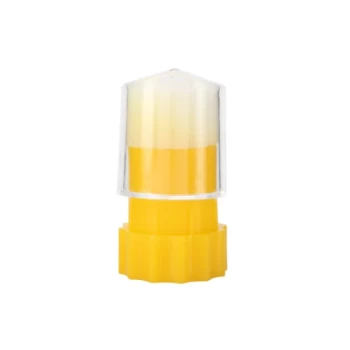
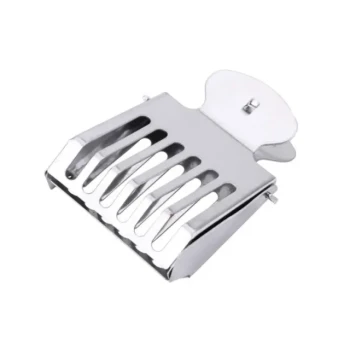
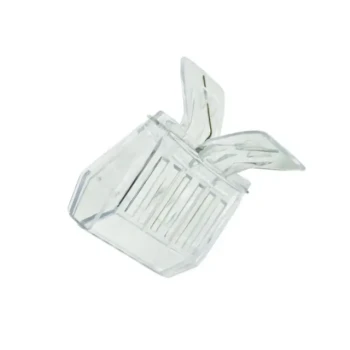
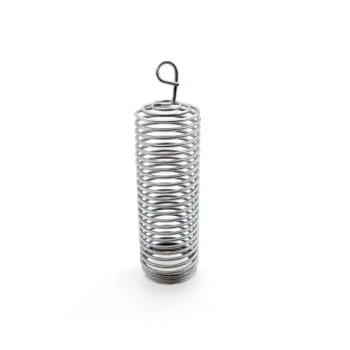
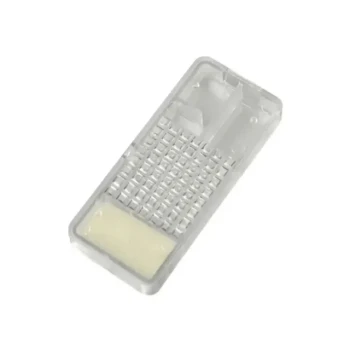
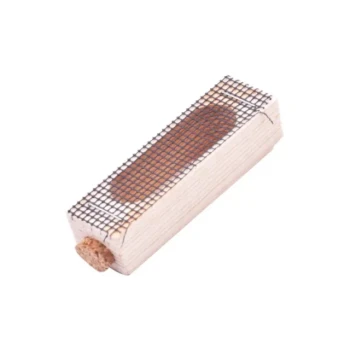
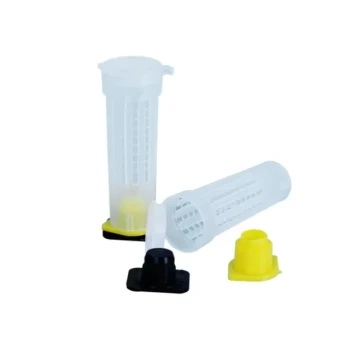
While the color is determined by the year, the method of application varies by beekeeper preference. Options include manual handling (holding the queen by the legs or wings) or using stabilizing tools like a queen marking tube or a round push-in cage.
Common Pitfalls to Avoid
Premature Release
One of the most common errors is releasing the queen before the paint has dried. If the paint is wet, attendant bees will often clean the mark off immediately. You must hold the queen gently for 30 seconds to one minute to allow the paint to set.
Incorrect Paint Quantity
There is a trade-off between visibility and safety. Using too much paint can cause it to run and impair the queen's movement. Conversely, using too little paint renders the mark invisible, defeating the purpose of the system.
Skill vs. Risk
Handling a queen by hand requires practice and confidence. For those with less experience, attempting manual marking introduces the risk of injuring the queen. Using a queen marking cage is highly recommended for beginners to mitigate this risk.
Making the Right Choice for Your Goal
If your primary focus is Accuracy:
- Verify the queen's exact hatching date before selecting your pen, ensuring the color code reflects her birth year, not the current date.
If your primary focus is Safety:
- Utilize a queen marking tube or push-in cage to stabilize the queen, rather than attempting to hold her by hand.
If your primary focus is Longevity:
- Ensure the paint is fully primed on a test surface and allow the mark to dry completely on the thorax to prevent removal by the colony.
By strictly adhering to the hatching-year code, you transform a simple dot of paint into a vital data point for hive management.
Summary Table:
| Year Ending In | Marking Color | Mnemonic Memory Aid |
|---|---|---|
| 1 or 6 | White | Will |
| 2 or 7 | Yellow | You |
| 3 or 8 | Red | Raise |
| 4 or 9 | Green | Good |
| 5 or 0 | Blue | Bees |
Elevate Your Apiary Operations with HONESTBEE
Maintaining precise records starts with the right tools. At HONESTBEE, we specialize in supporting commercial apiaries and distributors by providing the industry's most reliable beekeeping equipment. From high-precision queen marking tools and non-toxic paint pens to industrial-grade honey-filling machines and hive-making hardware, our comprehensive wholesale portfolio is designed to enhance your efficiency and scale your business.
Whether you are stocking essential consumables or investing in specialized machinery, HONESTBEE delivers the quality and expertise your operation deserves.
Ready to upgrade your equipment? Contact us today to discuss our wholesale offerings and discover how we can streamline your beekeeping success.
Related Products
- One Hand Yellow Queen Marking Catcher Tube Cage Beekeeper Tool Accessory for Queen Bee
- Queen Bee Marking Pen POSCA Queen Marking Pens for Beekeeping Bee Markers
- Plastic Long Marker Device for Catching and Marking Bees Queen Bee Marking Tube and Cage
- Queen Bee Marking Tube Cage Bottle Catcher Holder with Clear Plastic Plunger Marker
- Queen Bee Catcher Plastic Bee Marker Bottle with Piston Marking Tube
People Also Ask
- What tools are available to assist in safely marking a queen bee? Essential Gear for Professional Beekeepers
- What equipment is needed to mark a queen bee? A Simple 3-Tool Guide for Every Beekeeper
- Why are high-quality queen bee marking tools essential for pedigree tracking? Master Honey Bee Genetic Integrity
- What are the specific advantages of using international standard marking tools in queen bee production and management?
- What tools are recommended for marking a Queen bee? Ensure a Safe and Successful Mark