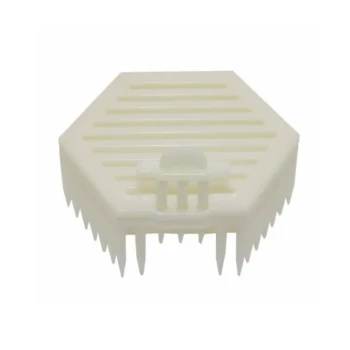
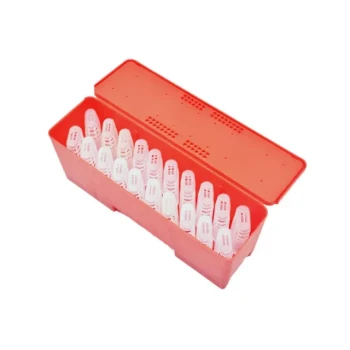
Typically, a queen bee should remain in her protective cage for a period of 2 to 3 days after being introduced to the hive. This specific timeframe provides a critical adjustment window, allowing the worker bees to acclimate to her unique pheromone signature before she is physically released into the general population.
The queen cage serves as a temporary biological buffer, preventing immediate aggression while the new queen’s scent unifies the colony. Releasing her too early invites attack, while confining her too long unnecessarily stalls the colony's growth and productivity.
The Mechanics of Queen Introduction
The Importance of Pheromone Acclimation
The primary reason for the 2 to 3-day confinement is olfactory integration. When a new queen is introduced, she is initially perceived as a foreign intruder by the existing colony.
The cage allows her pheromones to permeate the hive safely. Over this short period, her scent spreads and unifies the odor of the colony, shifting the workers' perception of her from "threat" to "matriarch."
Protection From Physical Aggression
The cage is a necessary physical barrier. Without this separation, existing bees are highly likely to attack and kill an unrelated queen immediately upon introduction.
Furthermore, the cage prevents the queen from bolting. If released immediately without a settling period, a nervous queen may fly away and be lost, forcing you to restart the entire process.
Managing the Queen's Attendants
New queens often arrive in cages with "attendant" bees. While some beekeepers debate removing them, it is generally safer to leave them inside the cage.
There is little evidence that attendants cause conflict during the introduction. Attempting to open the cage to remove them drastically increases the risk of accidentally injuring the queen or allowing her to escape.
Environmental Considerations
Temperature Sensitivity
While the queen is caged and in transit or waiting for introduction, temperature control is vital. Queen bees require a range between 16°C (61°F) and 35°C (95°F).
The ideal temperature is approximately 20°C (68°F). Deviating from this can lead to dehydration or stress, compromising the queen's health before she even begins laying.
Breed-Specific Tolerances
Be aware of the specific breed you are introducing, as their environmental tolerances differ.
Italian queen bees are hardier in cooler weather, tolerating temperatures down to 12°C (54°F). Conversely, Carniolan bees have a much narrower tolerance window, requiring temperatures between 16°C (61°F) and 25°C (77°F).
Understanding the Trade-offs
The Cost of Excessive Confinement
While safety is paramount, leaving a queen caged beyond the recommended 3-day window yields diminishing returns and introduces new risks.
Extended confinement delays the start of the breeding cycle. Every day the queen is caged is a day she is not laying eggs.
Long-Term Productivity Impact
This delay ripples through the colony's lifecycle. A late start results in slower population growth.
Ultimately, this hinders the colony's overall success, reducing its ability to produce honey or defend itself effectively during the season.
Making the Right Choice for Your Goal
To ensure the successful adoption of your queen while maintaining colony momentum, follow these guidelines:
- If your primary focus is Colony Acceptance: Adhere strictly to the 2 to 3-day wait period to allow pheromone normalization and prevent rejection attacks.
- If your primary focus is Productivity: Do not leave the queen caged longer than necessary; release her as soon as the acceptance window closes to avoid stalling population growth.
- If your primary focus is Risk Management: Leave the attendant bees inside the cage during introduction to eliminate the risk of the queen escaping or being crushed during handling.
The goal is to balance the queen's safety with the urgent need to begin the colony's reproductive cycle.
Summary Table:
| Factor | Recommended Window / Detail | Impact on Hive |
|---|---|---|
| Standard Wait Time | 2 - 3 Days | Ensures pheromone integration & reduces aggression |
| Ideal Temperature | 20°C (68°F) | Prevents dehydration and thermal stress |
| Attendant Bees | Leave inside cage | Minimizes risk of queen escape or injury |
| Late Release | > 3 Days | Stalls brood cycle and reduces honey production |
| Breed Tolerance | Italian (12°C+) / Carniolan (16-25°C) | Affects survival rates during introduction |
Maximize Your Colony’s Potential with HONESTBEE
Successful beekeeping starts with the right tools. At HONESTBEE, we specialize in supporting commercial apiaries and distributors with a comprehensive wholesale range designed for scale and efficiency. From precision queen-rearing tools to industrial-grade honey-filling machines and hive-making equipment, we provide everything you need to maintain productive colonies.
Whether you are looking for specialized hardware or essential industry consumables, our expert team is ready to help your business grow.
Contact us today to explore our full catalog and wholesale offerings!
Related Products
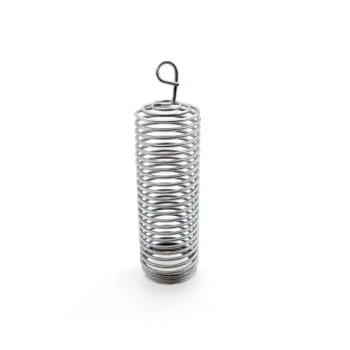
- Durable Galvanized Steel Spring Queen Bee Cage
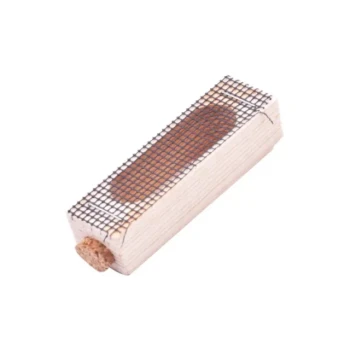
- Classic Wooden and Mesh California Queen Cage
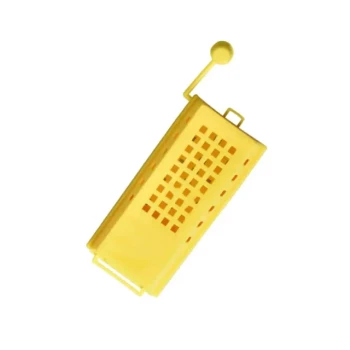
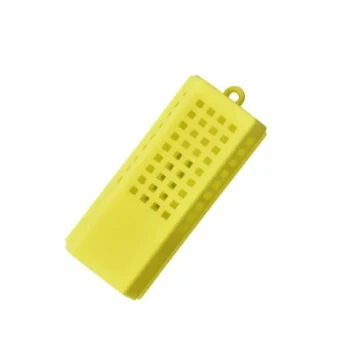
- Professional Queen Bee Introduction and Transport Cage
- Professional Queen Cage with Sliding Gate and Feeder Plug
- Professional Multi-Compartment Queen Cage with Sliding Lid
People Also Ask
- Why are specialized queen bee cages used for the banking of mated queen bees? Maximize Commercial Apiary Storage Efficiency
- What is the mechanism of action for using temporary queen bee cages? Master Successful Queen Introduction
- What is the step-by-step process for installing a queen bee's cage onto a frame? Ensure Hive Acceptance Safely
- What is the optimal placement for a queen bee cage? Essential Strategies for Successful Re-queening
- What are the advantages and disadvantages of introducing a queen bee by embedding the cage? Boost Your Queen Acceptance