American Foulbrood spores are among the most persistent hazards in beekeeping: Paenibacillus larvae spores can remain infective in hive equipment and apiary materials for more than 35 years, surviving aging and adverse environmental conditions. This long persistence, combined with the disease’s high contagiousness and lethality to bee larvae, makes professional sanitation equipment essential for commercial apiaries.
AFB control is an equipment-management problem as much as a colony-health problem. Commercial operators need controlled disinfection systems, strict tool and clothing hygiene, and a dependable supply of replacement frames and woodenware to prevent one contaminated hive from becoming an apiary-wide outbreak.
Why American Foulbrood Spores Are So Difficult to Eliminate
Spores persist for decades
AFB spores are substantially more durable than ordinary vegetative bacteria. Once deposited on comb, wood, tools, clothing, or other hive materials, they can remain a contamination source for decades.
The references support a conservative minimum of more than 35 years of infective persistence. Claims of survival beyond 50 years may occur in industry guidance, but the practical conclusion is the same: contaminated equipment cannot be treated as harmless simply because it has been stored for a long period.
Spores move efficiently between colonies
Transmission can occur through shared combs, contaminated hive tools, gloves, protective clothing, and other equipment. Robber bees can also carry infectious material from weakened or dead colonies into healthy hives.
House bees may worsen the problem while removing infected brood remains. Their physical and oral contact with contaminated material can distribute spores to additional cells and colony surfaces.
The consequences are severe
AFB kills developing bee larvae and can weaken or destroy colonies. Because the disease is highly contagious, authorities may require quarantine, destruction of infected materials, or other regulated control measures.
For a commercial apiary, the economic impact extends beyond one colony. Contaminated equipment can interrupt production, increase replacement costs, delay fulfillment, and threaten customer or pollination commitments.
Why Field Cleaning Alone Is Insufficient
Hive components are not equally salvageable
Wax comb is especially difficult to disinfect reliably. Infected comb and frames generally require destruction, commonly by burning or another legally approved disposal method, rather than being returned to service after superficial cleaning.
Durable wooden hive bodies may sometimes be salvaged under an approved sanitation protocol. This typically requires removing wax and propolis from internal surfaces, addressing joints and crevices, and applying an appropriate sterilization treatment.
Visible cleanliness does not prove decontamination
Wax, propolis, and debris can shield spores from heat or chemical treatment. A hive body that looks clean may still contain contamination in corners, seams, grooves, and other difficult-to-reach areas.
Professional sanitation systems help separate physical cleaning from disinfection, ensuring that both stages are treated as necessary parts of the process.
Improvised treatments create inconsistency
Temporary field methods are difficult to standardize across large numbers of boxes, supers, bottom boards, frames, and tools. Uneven exposure, incomplete scraping, incorrect chemical concentration, or insufficient contact time can leave viable spores behind.
Commercial operations need repeatable procedures that can be documented, audited, and applied consistently by different employees and crews.
What Professional Hive Sanitation Equipment Provides
Controlled cleaning and disinfection
Professional disinfection rooms and dedicated sanitation areas provide a controlled environment for cleaning and treating supers, bottom boards, hive bodies, and other reusable components.
Centralizing the work reduces uncontrolled movement of contaminated equipment and makes it easier to maintain separate dirty, processing, and clean zones.
Reliable processing capacity
Commercial apiaries handle equipment volumes that make manual, one-at-a-time treatment impractical. Purpose-built washing, scraping, soaking, fumigation, or heat-treatment equipment can improve throughput while reducing missed surfaces.
Capacity matters during an outbreak, when large quantities of equipment may need to be isolated, processed, replaced, or destroyed quickly.
Safer handling of disinfectants
Some disinfection chemicals and fumigants are hazardous, toxic, corrosive, or unsuitable for honey and pollen stores. Professional facilities support safer containment, ventilation, protective equipment, labeling, and waste management.
Treatments must follow current veterinary, environmental, occupational-safety, and local apiary regulations. Products intended for comb, wood, metal tools, or empty equipment are not automatically interchangeable.
Better protection for reusable tools
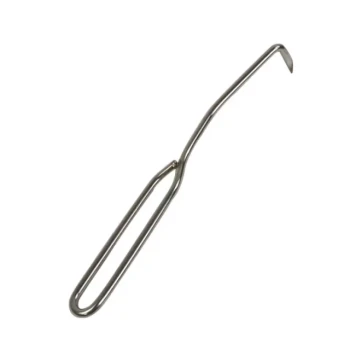
Stainless steel hive tools and other durable, easy-to-sanitize equipment reduce the risk that contaminated surfaces will remain in service between colonies.
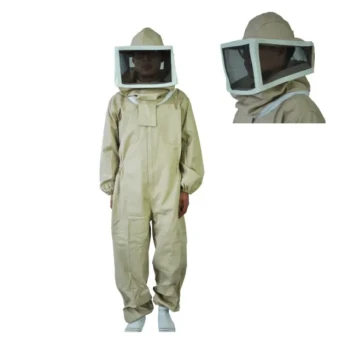
Reusable gloves, bee suits, and other protective wear also require defined cleaning and segregation procedures. Contaminated disposable items should be discarded where required rather than moved between apiary locations.
Faster replacement of unsafe components
Sanitation cannot make every item suitable for reuse. A commercial biosecurity program must include clean replacement hive boxes, covers, frames, foundation, and related components.
For distributors and B2B resellers, this creates a practical supply requirement: sanitation equipment and replacement hiveware function as a single outbreak-response system.
Building a Commercial AFB Biosecurity System
Separate contaminated equipment immediately
Equipment from suspect or confirmed colonies should be clearly identified and isolated from clean inventory. It should not be moved casually between yards, crews, or customers.
A dedicated quarantine and staging process limits accidental transfer before diagnosis and treatment decisions are complete.
Standardize tools and work sequences
Hive inspections should use a defined sequence for tool cleaning, protective-wear handling, and movement between colonies. Hive tools should be sterilized after contact with infected material, and clothing should be washed or managed under an approved biosecurity procedure.
The goal is to prevent the operator from becoming the connection between an infected hive and healthy colonies.
Use approved treatment methods for the material
Wood, metal, wax, honey, and pollen have different tolerances and contamination risks. A method appropriate for empty woodenware may be unsuitable for honey-containing equipment or wax comb.
Chemical fumigation, chlorine-based treatments, heat, scorching, and soaking each have operational limitations. For example, some chemical methods can contaminate products, corrode metal, or damage wax, so treatment selection must be material-specific and professionally controlled.
Maintain traceability and inventory discipline
Commercial apiaries benefit from records showing where equipment came from, which colonies used it, how it was treated, and whether it was destroyed or returned to service.
Traceability helps identify exposure pathways and supports rapid decisions during an outbreak. It also gives distributors and commercial customers confidence that replacement and sanitation products can be supplied without delay.
Understanding the Trade-offs
Sanitization costs less than uncontrolled spread, but it is not free
Professional rooms, equipment, chemicals, labor, protective wear, and replacement hiveware require investment. However, the cost of inadequate control can include colony losses, destroyed comb, halted operations, quarantine restrictions, and lost production.
The correct comparison is not sanitation versus no sanitation. It is controlled prevention versus the potentially much larger cost of an apiary-wide incident.
Not every component should be saved
Attempting to recover contaminated comb can create false confidence and prolong transmission. When a component cannot be reliably disinfected, destruction and replacement are the more defensible options.
This is particularly important for infected brood comb and materials heavily contaminated with wax, propolis, or larval remains.
Chemical treatment has operational limits
Fumigants and disinfectants can be effective only when used under the correct conditions. Formalin, ethylene oxide, chlorine-based treatments, and sodium hypochlorite each involve hazards, compatibility restrictions, exposure requirements, and regulatory obligations.
No chemical treatment should be selected solely because it is powerful. It must also be lawful, appropriate for the material, safe for workers, and compatible with honey-production requirements.
Natural colony hygiene cannot replace equipment sanitation
House bees can remove infected brood, but their cleaning activity may also spread spores through contact with contaminated remains and cell surfaces.
Colony-level defenses are useful but insufficient on their own. They must be supported by operator hygiene, equipment control, and professional disinfection practices.
Making the Right Choice for Your Goal
Commercial apiaries and their supply partners should treat AFB control as a complete operational category rather than a single-product purchase.
- If your primary focus is outbreak prevention: Prioritize professional sanitation rooms, segregated workflow areas, sterilizable stainless steel tools, protective-wear procedures, and documented equipment handling.
- If your primary focus is rapid outbreak response: Maintain immediate access to replacement boxes, covers, frames, and foundation so contaminated components can be removed without delaying operations.
- If your primary focus is equipment reuse: Invest in controlled cleaning and approved disinfection systems capable of addressing wax, propolis, joints, corners, and other surfaces where spores may persist.
- If your primary focus is distribution or resale: Offer a full-spectrum portfolio covering sanitation equipment, disinfectants, protective wear, replacement hiveware, and responsive fulfillment support.
- If your primary focus is regulatory and product safety: Select treatments according to current local requirements and material compatibility, with particular caution around honey, pollen, wax, worker exposure, and chemical residues.
With disciplined sanitation, reliable replacement inventory, and professional technical support, commercial beekeepers can make AFB control a managed operating process rather than an uncontrolled production threat.
Summary Table:
| Key Factor | Critical Insight |
|---|---|
| Spore Persistence | Remain infective for 35+ years, requiring long-term equipment vigilance. |
| Transmission | Moves via shared equipment, tools, and robber bees, escalating outbreaks. |
| Field Cleaning Limits | Visible cleanliness doesn't guarantee decontamination; spores hide in crevices. |
| Professional Equipment | Provides controlled cleaning, disinfection, and safe chemical handling. |
| Replacement Supply | Essential for destroying unsalvageable comb and ensuring rapid recovery. |
Protect your apiary from AFB with professional sanitation equipment and reliable hiveware replacement. At HONESTBEE, we supply commercial beekeepers and distributors with the full spectrum of beekeeping tools, machinery, and consumables—including disinfection rooms, sterilizable tools, and high-quality woodenware. Our one-stop sourcing, rapid delivery, and dedicated support ensure you can respond to threats swiftly and keep your operation running smoothly. Contact us today to build a robust biosecurity system: Get in touch.
Related Products
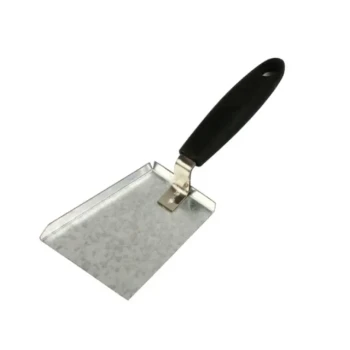
- Heavy-Duty Ergonomic Grip Galvanized Pollen Shovel
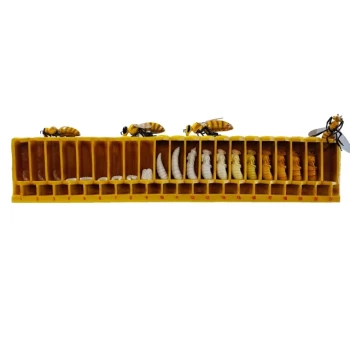
- Honey Bee Lifecycle Model: A Detailed Honeycomb Display of Bee Development
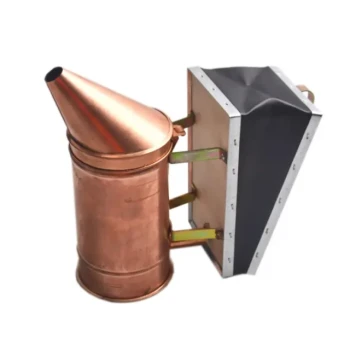
- Premium Traditional Copper Bee Smoker with Bellows
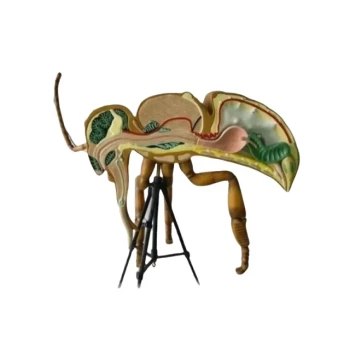
- HONESTBEE Anatomy Bee Model Detailed Anatomical Display for Education and Study
- Professional Dual Action Queen Excluder Scraper for Beekeeping
People Also Ask
- For what reasons do beekeepers collect bee pollen? Boost Hive Health and Unlock New Revenue Streams
- Why should commercial apiaries focus on the collection of diversified bee products? Maximize Your Hive’s Profit Potential
- How do bee pollen collection tools affect the quality of bee pollen used in functional dairy ice cream production?
- How does a specialized pollen collector facilitate the harvesting of diverse bee products? Automate High-Value Yields
- What is the impact of pollen collectors and associated equipment on the cost structure of pollen production? Maximize ROI