Timing and ventilation are the critical factors when preparing a beehive for transport. Once night falls and the entire colony has returned, the hive entrance must be sealed to contain the bees while explicitly maintaining sufficient airflow, often achieved by wrapping the entire structure in a breathable material like tulle.
The success of a hive move depends on containing the bees without suffocating them. Blocking the entrance is not enough; you must use breathable barriers to prevent overheating and stress during transit.
Securing the Colony for Transport
Timing the Closure
You must wait until nightfall before attempting to secure the hive.
This ensures that all foraging bees have returned to the colony for the evening. Closing the hive too early risks abandoning a portion of your workforce outside the hive.
Establishing Ventilation
While the bees must be contained, the entrance cannot simply be plugged airtight.
Bees generate significant heat, especially when stressed by movement. You must block the entrance in a way that permits continuous airflow to prevent the colony from overheating or suffocating.
The Tulle Wrapping Method
A highly effective technique for achieving both containment and ventilation is wrapping the hive in tulle.
This fine mesh material secures the entrance and any other potential exit points. It allows for maximum air exchange while being fine enough to prevent even the smallest bees from escaping.
Preparing the Destination
Replicating the Environment
Before the move occurs, the new location must be fully prepared to ensure a smooth transition.
Select a spot that resembles the colony's previous environment. The area should be clean, quiet, and removed from high-traffic zones.
Assessing Safety and Resources
Ensure the chosen location is not susceptible to flooding or extreme direct sunshine, which can threaten the hive's viability.
Verify that the new site has access to essential resources. Identify nearby food sources such as flowers, meadows, and gardens to support the colony immediately upon arrival.
Managing Human Proximity
If the new location is in a shared or public space, preparation extends beyond the physical site.
You must inform relevant people beforehand. This ensures safety for neighbors and prevents accidental interference with the hive once it is placed.
Common Pitfalls to Avoid
Suffocation Risk
The most dangerous error during transport is sealing the hive too tightly.
Using solid blocks without ventilation holes can kill a colony rapidly. Prioritize breathability over rigid sealing methods; the tulle method mitigates this risk effectively.
Poor Site Selection
Moving a hive to an unprepared site creates a compound stressor for the bees.
Placing a hive in a damp depression or an area without forage forces the colony to expend energy fighting the elements rather than reorienting. Site preparation is just as critical as the physical transport preparation.
Making the Right Choice for Your Goal
To ensure the safety of your colony, follow these targeted recommendations:
- If your primary focus is Safe Transport: Prioritize wrapping the hive in tulle at night to secure the bees while guaranteeing maximum airflow.
- If your primary focus is Colony Retention: Select a new site that mimics the old environment and offers immediate access to forage like meadows or gardens.
Proper preparation turns a potentially chaotic move into a controlled, safe relocation for your bees.
Summary Table:
| Preparation Factor | Critical Action | Benefit to Colony |
|---|---|---|
| Timing | Wait until nightfall | Ensures all foragers are inside the hive |
| Containment | Use breathable mesh (Tulle) | Prevents escape while allowing air exchange |
| Ventilation | Avoid airtight seals | Prevents overheating and suffocation |
| Site Selection | Mimic previous environment | Reduces reorientation stress for the bees |
| Resource Check | Ensure nearby forage/water | Supports immediate colony recovery |
Scale Your Apiary Operations with HONESTBEE
Moving hives is just one part of a successful beekeeping business. At HONESTBEE, we empower commercial apiaries and distributors by providing the high-quality infrastructure needed to grow. From hive-making machinery and honey-filling systems to a complete range of beekeeping tools and industry consumables, we are your wholesale partner for excellence.
Whether you are expanding your commercial fleet or stocking your distribution channels, our expertise ensures your colony's safety and your business's efficiency. Contact us today to explore our comprehensive product portfolio and discover how our specialized hardware and cultural merchandise can add value to your brand.
Related Products
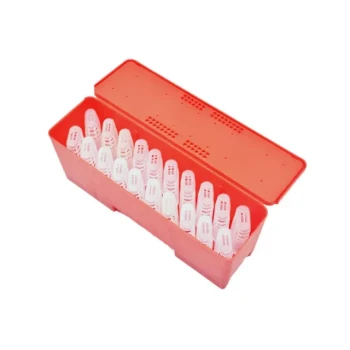
- Plastic Transporting Bee Packages and Nuc Boxes for Beekeeping
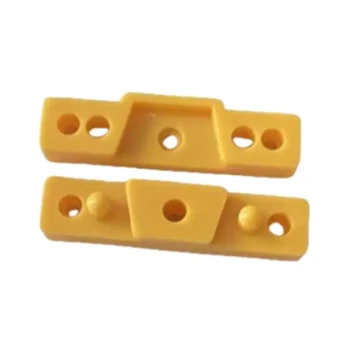
- Durable Plastic Interlocking Hive Connector for Beekeeping
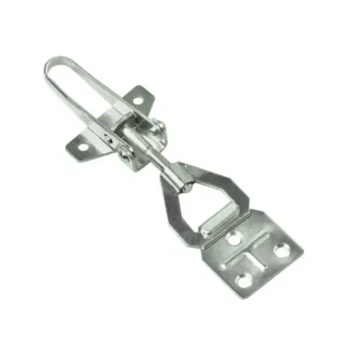
- Heavy Duty Adjustable Hive Connector
- High-Efficiency Pneumatic Bee Hive Making Machine for Rapid Box Assembly
- Steel Round Disc Entrance Reducer for Flexzion Bee Hive Nuc Box Gate
People Also Ask
- What role do bee package boxes play in the commercial transport and expansion of honeybee colonies? - Logistic Essentials
- What are beekeeping boxes called? A Guide to Hive Bodies and Box Types
- How do standardized bee packages serve as a recovery mechanism for commercial beekeeping? Ensure Business Continuity
- What is the commercial value of using standardized bee packages? Drive Scalability in Large-Scale Apiaries
- Why is the timely introduction of high-quality bee packages critical? Save Your Apiary from Asian Hornet Invasions