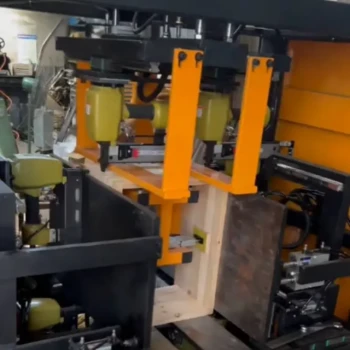
Fastening a beehive box correctly is a straightforward process that can be accomplished using either a basic hammer or a nail gun. The structural integrity of the box relies on placing exactly one nail at each finger joint, which typically results in using approximately 36 nails per brood box.
The standard for a durable beehive box is precision: ensure every single interlocking finger joint is secured with a nail to prevent the corners from separating.
Selecting the Right Equipment
Manual vs. Mechanical
You have the flexibility to use a basic hammer or a nail gun. Both tools are considered acceptable for this task.
Consistency is Key
Regardless of the tool chosen, the goal is consistent depth and placement. The mechanism of driving the nail matters less than where the nail ends up.
Strategic Nail Placement
The Finger Joint Rule
Beehive boxes are constructed using interlocking corners known as finger joints. To ensure the box remains square and rigid, you must place one nail at each finger joint.
Calculated Quantity
Do not underestimate the number of nails required. A standard brood box will require approximately 36 nails total.
Complete Coverage
This quantity implies that no joint should be skipped. Every interlocking section of wood needs its own mechanical fastener to hold the weight of the hive and the colony.
Common Pitfalls to Avoid
Skimping on Hardware
The most common error is using too few nails. Using fewer than the recommended ~36 nails creates weak points in the corners.
Ignoring Joint Alignment
Because you are nailing into specific finger joints, ensure the wood is properly aligned before fastening. Misaligned joints can lead to a warped box if nailed in that position.
Making the Right Choice for Your Goal
- If your primary focus is speed: Use a nail gun, as it allows you to rapidly secure the high volume of 36 nails required per box.
- If your primary focus is accessibility: Use a basic hammer, as it is fully capable of doing the job without the need for air compressors or power sources.
By rigorously securing every finger joint, you ensure your beehive box is built to last.
Summary Table:
| Feature | Specification | Recommendation |
|---|---|---|
| Fastening Method | Manual Hammer or Nail Gun | Choose based on speed vs. accessibility |
| Nail Quantity | ~36 Nails per Brood Box | Ensure one nail per finger joint |
| Joint Type | Interlocking Finger Joints | Align perfectly before fastening |
| Core Goal | Structural Integrity | Prevent corner separation and warping |
Build a Stronger Apiary with HONESTBEE
Proper assembly is just the start of a productive season. At HONESTBEE, we specialize in supporting commercial apiaries and distributors with high-quality, durable beekeeping solutions. From precision-cut woodenware and hive-making machinery to professional honey-filling equipment, we provide everything you need to scale your operations.
Why partner with us?
- Comprehensive Wholesale Range: Access a full spectrum of tools, hardware, and industry consumables.
- Industrial Efficiency: Optimize your production with our specialized beekeeping machinery.
- Expert Support: We understand the needs of large-scale beekeeping and deliver products that stand the test of time.
Ready to elevate your beekeeping business? Contact our expert team today to discuss our wholesale offerings and equipment solutions!
Related Products
- Metal Bee Hive Stand Bee Box Stand for Beekeeping
- Australian Langstroth Beehive Boxes for Beekeeping Wholesales
- Portable Bee Mating Hive Boxes Mini Mating Nucs 8 Frames for Queen Rearing
- Automatic High-Speed Bee Hive Box Stapling Machine
- Langstroth Honey Bee Box Hive Boxes for Different Depths
People Also Ask
- What are the potential risks of plastic bee hive stands? Avoid Structural Failure in Your Apiary
- What are the essential technical specifications for a high-quality bee hive stand? Maximize Stability and Hive Safety
- What height should a bee hive stand be? Optimize for Your Back and Hive Health
- What are the benefits of elevating a bee hive with a stand or base? Protect Your Colony and Your Back
- Why are specialized beehive stands or protective barriers necessary for pest management in apiaries? Secure Your Colony