To encourage continuous production, you must actively rotate empty top-bars into the hive's "expansion zone." Specifically, you should place empty bars approximately two-thirds of the way back from the front of the hive. The ideal position is directly behind the first comb of honey and immediately in front of the brood nest, ensuring the colony has immediate space to build new comb.
The Core Logic Bees naturally stop working if they run out of space to lay eggs or store resources. By inserting empty bars at the leading edge of the brood nest, you prevent the colony from becoming "honey bound," ensuring a continuous cycle where the queen can lay eggs while the colony simultaneously fills mature combs with honey.
The Mechanics of Frame Rotation
Identifying the Insertion Point
Success relies on precise placement rather than random distribution. You are not simply adding space; you are guiding the colony's growth. The target location is generally two-thirds of the distance from the hive entrance.
The "Front-of-Brood" Strategy
You must identify the boundary between the stored honey and the active brood nest. Insert your empty top-bar just behind the first comb of honey but in front of the brood nest. This specific gap signals the bees to draw new comb immediately to bridge the divide.
Managing the Brood Cycle
As the colony builds forward onto the new bar, the brood at the rear of the nest matures and hatches. This natural progression frees up the rearmost combs. These now-empty cells at the back become available for honey storage or new brood, maintaining a fluid internal ecosystem.
avoiding the "Honey Bound" State
The Danger of Congestion
If you fail to manage the frames, the bees will fill every available cell in the brood nest with nectar. This condition, known as being "honey bound," leaves the queen with no room to lay eggs.
Stalling Production
Once the queen is blocked, the population stagnates, and the workforce available for nectar collection eventually diminishes. Active frame management breaks this deadlock. It ensures there is always empty comb ready for the colony's energy, keeping the workforce engaged and the queen active.
Sustainable Harvesting Principles
Moving Beyond Predatory Harvesting
Proper frame management facilitates a shift from destructive harvesting to sustainable stewardship. Instead of destroying the colony or removing all resources, you utilize a system that allows for the selective removal of mature honey.
Preserving Colony Integrity
By focusing only on full frames and leaving the brood nest intact, you preserve the bee population for multiple cycles. This technical approach allows for phased honey collection, maximizing the annual yield per hive without compromising the colony's ability to survive and produce in the future.
Understanding the Trade-offs
The Risk of Over-Manipulation
While management is necessary, excessive interference can stress the colony. Opening the hive too frequently to rearrange bars disturbs the internal temperature and humidity control required for brood rearing.
Misplacement Risks
If the empty bar is placed too far back (into the honey stores) or too far forward (splitting the brood nest aggressively), the bees may ignore it or build irregular comb (cross-combing). You must adhere to the two-thirds rule to ensure the bees accept the new space as part of their natural expansion area.
Making the Right Choice for Your Goal
To apply this to your apiary, assess your current hive status and define your immediate objective:
- If your primary focus is Maximum Yield: Prioritize the "two-thirds" placement rule strictly to ensure the colony never idles due to a lack of storage or laying space.
- If your primary focus is Colony Health: Focus on the prevention of the "honey bound" state to ensure the queen always has unrestricted access to empty cells for egg-laying.
Consistent frame rotation transforms beekeeping from a passive activity into a managed system that maximizes yield while protecting the colony's future.
Summary Table:
| Management Strategy | Insertion Point | Primary Benefit | Potential Risk |
|---|---|---|---|
| Expansion Zone Placement | 2/3 distance from the entrance | Guides natural colony growth | Cross-combing if misaligned |
| Front-of-Brood Strategy | Behind 1st honey comb, before brood | Forces immediate new comb building | Temporary temperature fluctuations |
| Rearmost Cycle Management | At the back of the hive | Repurposes cells for storage/brood | Resource depletion if over-harvested |
| Honey Bound Prevention | Leading edge of brood nest | Maintains queen's laying space | Excessive hive manipulation stress |
Scale Your Apiary Success with HONESTBEE
Maximize your honey yield and operational efficiency with professional-grade equipment from HONESTBEE. We specialize in supporting commercial apiaries and distributors by providing a comprehensive wholesale catalog of beekeeping tools and machinery.
Whether you need precision hive-making machinery, high-capacity honey-filling machines, or a reliable supply of essential consumables, our portfolio is designed to meet the rigorous demands of the modern honey industry. Beyond hardware, we offer a unique range of honey-themed cultural merchandise to help you diversify your market presence.
Ready to elevate your production?
Contact HONESTBEE Today to discuss our wholesale offerings and discover how we can streamline your beekeeping operations!
Related Products
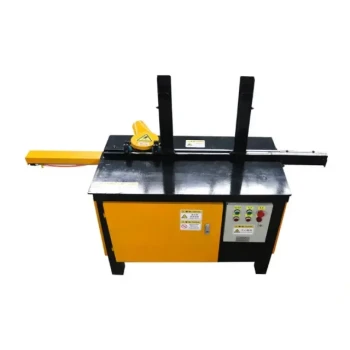
- HONESTBEE Top Bar & Bottom Bar Forming Machine | Bee Frame Machine
- Long Langstroth Style Horizontal Top Bar Hive for Wholesale
- Top Bar Beehive for Beekeeping Wholesales Kenya Top Bar Hive
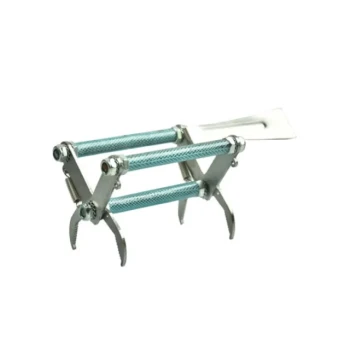
- Professional 3-Bar Frame Grip with Integrated Hive Tool
- Wooden Bee Hive Frames for Beekeeping and Wholesale
People Also Ask
- What is the primary function of the Top Bar and Bottom Bar Forming Machine? Automate Hive Frame Production Excellence
- How does the Top Bar and Bottom Bar Forming Machine process wooden strips? High-Precision Frame Component Production
- What is the operational sequence of the Top Bar and Bottom Bar Forming Machine? Precision Beekeeping Frame Manufacturing
- What are the key benefits of investing in the Top Bar and Bottom Bar Forming Machine? Scale Your Hive Production Now
- What customization options are available for the Top Bar and Bottom Bar Forming Machine? Engineered for Any Hive Standard