Installing a pollen trap requires careful timing relative to weather conditions to ensure colony safety. You must install the device on a cool or overcast day rather than in the heat of the sun. This precaution prevents the colony from overheating while the bees struggle to navigate the new, restricted entrance system.
The success of a pollen trap installation relies on minimizing heat stress during the initial adjustment period and allowing the colony sufficient duration to adapt to the new entrance configuration.
Managing the Initial Transition
The introduction of a pollen trap fundamentally changes the architecture of the hive entrance.
Timing the Installation
Do not install a pollen trap during peak heat. The device restricts the entrance, which can cause immediate congestion as foragers return.
If the sun is blazing, this congestion leads to a rapid rise in temperature. Overheating is a significant risk as the bees attempt to figure out the new system.
The Adjustment Period
Bees require a transition window ranging from a few hours to a few days to adjust to the new setup.
During this time, traffic at the hive entrance will be disrupted. This is a normal part of the process as the colony learns to navigate the grid.
Verifying Traffic Flow
Once the trap is in place, you cannot simply walk away.
You must explicitly verify that the bees are able to exit the trap. A blocked exit can be catastrophic for the colony's sanitation and foraging ability.
Long-Term Usage Strategy
Effective pollen trapping is not a day-by-day decision; it requires a commitment to a specific timeframe.
Duration of Deployment
According to standard guidelines, you should leave the trap on for at least a month at a time.
Frequent removal and re-installation disrupt the colony's routine. Leaving it in place gives the bees sufficient time to fully adapt to the mechanism.
How the Mechanism Works
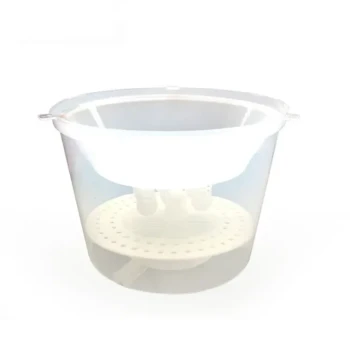
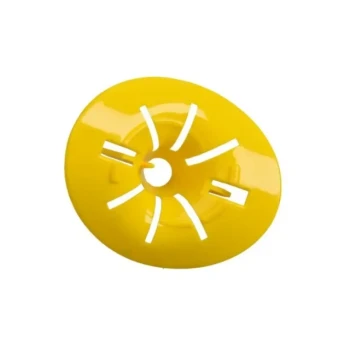
The trap functions by placing a grid of small holes over the entrance.
As foragers squeeze through these openings, pollen pellets are dislodged from their hind legs. These pellets fall into a collection tray, allowing for a clean harvest without direct contact.
Understanding the Trade-offs
While pollen traps are efficient tools for harvesting, they introduce specific stressors to the hive.
Entrance Congestion
The physical mechanism that dislodges pollen also acts as a bottleneck.
By forcing bees to squeeze through narrow openings, you inevitably slow down the entry and exit process. This creates the initial "traffic jam" that makes cool-weather installation so critical.
Adaptation vs. Production
The requirement to leave the trap on for a month prioritizes colony adaptation over short-term harvesting bursts.
Removing the trap too soon prevents the bees from normalizing their behavior around the new entrance, potentially leading to perpetual stress every time you attempt to use it.
Making the Right Choice for Your Goal
To maximize your harvest while protecting your bees, follow these guidelines:
- If your primary focus is Colony Safety: Prioritize installation on cool or overcast days to eliminate the risk of the hive overheating during the learning curve.
- If your primary focus is Efficient Adaptation: Commit to leaving the trap installed for at least one month to allow the bees to fully adjust to the new entry method.
Proper timing and patience during the adaptation phase turn a disruptive installation into a sustainable harvesting routine.
Summary Table:
| Factor | Recommendation | Purpose |
|---|---|---|
| Installation Weather | Cool or overcast day | Prevents hive overheating and heat stress |
| Adjustment Period | A few hours to 3 days | Allows foragers to learn the new entrance |
| Deployment Duration | Minimum 1 month | Minimizes disruption to colony routine |
| Critical Check | Verify exit flow | Ensures sanitation and foraging ability |
| Mechanism | Grid-based restriction | Dislodges pollen pellets into a tray |
Maximize Your Harvest with HONESTBEE Beekeeping Solutions
Are you looking to scale your pollen production or upgrade your apiary equipment? HONESTBEE is your dedicated partner, providing commercial apiaries and distributors with premium wholesale beekeeping tools and machinery.
From specialized hive-making and honey-filling machines to durable pollen traps and essential consumables, our portfolio is designed to enhance your operational efficiency. We help you protect your colony’s health while maximizing yield.
Ready to optimize your apiary? Contact us today to explore our comprehensive wholesale offerings and discover how our industry expertise can grow your business!
Related Products
- Removable Plastic Pollen Trap With Ventilated Tray for Bees Pollen Collector
- 30 cm Plastic Entrance Hole Bee Pollen Trap and Collector
- Plastic Bee Pollen Trap Strips Comb Catcher Collector
- High-Efficiency Diamond Maze Bee Escape for Clearing Supers
- Professional Bucket Style Wasp and Moth Pheromone Trap
People Also Ask
- What are the design principles and advantages of pollen traps in the collection of bee pollen? Boost Your Apiary Yield
- What is the function of professional pollen traps in evaluating honey plants? Quantifying Pollination and Crop Potential
- What functions do pollen traps serve for bee bread production? Optimize Your Raw Material Collection
- What maintenance and pest prevention measures should be taken for pollen traps? Protect Your Hive and Harvest Quality
- How does the use of pollen traps in honeybee hives enhance crop fertilization? Boost Your Yield Through Induced Activity