Inspect and protect every wooden hive component before winter. Clean, sound bottom boards, secure weather-resistant covers, intact hive boxes, and correctly fitted entrance reducers are the foundation of winter preparation. Repair or replace wood with decay, splits, or pest openings, then add mouse guards or specialized entrance blocks to restrict rodents and make the colony easier to defend against wasps.
Winter preparation is both a structural inspection and a pest-control program: keep moisture and wind outside, preserve ventilation, and reduce the entrance to a size the winter cluster can defend.
Start With a Complete Woodenware Inspection
Check the Bottom Board
The bottom board should be clean, stable, and free from rot or structural weakness. Remove excess debris, comb, and propolis with a hive tool so that moisture and pests have fewer places to collect.
A damaged or decayed bottom board can admit rain, cold air, and insects while weakening the hive’s base. Replace defective components rather than relying on temporary repairs that may fail under winter moisture or weight.
Examine Hive Boxes for Openings
Inspect every hive body for splits, holes, loose joints, and damaged corners. Even small openings can admit rain, wasps, mice, or other pests and can compromise the colony’s insulation.
Scrape away excess comb and propolis from box edges and frame rests. Clean contact surfaces allow boxes and frames to seat correctly during future inspections and reduce stress on the woodenware during spring manipulation.
Confirm That Covers Fit Securely
Hive covers should fit tightly enough to resist wind and rain without crushing or obstructing the hive body. A loose roof can expose the brood box to freezing conditions if strong wind shifts or removes it.
The cover should also be rain-resistant and insulated where appropriate. Because the lid is a primary barrier against moisture and temperature loss, it deserves the same inspection priority as the boxes and bottom board.
Control Moisture Without Trapping Condensation
Maintain Necessary Ventilation
Cold weather does not eliminate the need for airflow. Adequate ventilation helps prevent internal condensation from accumulating and dripping onto the bee cluster, where freezing moisture can cause serious losses.
Inspect ventilation openings before covering or wrapping the hive. Protective materials should shield the wood without blocking the entrance or designed ventilation points.
Protect Exposed Wood From Weather
Paint exposed exterior woodenware with a suitable exterior paint to protect it from rain, snow, and ice. The inside of the hive generally does not require paint because bees coat interior surfaces with propolis.
Exterior protection is particularly important for distributors and resellers specifying hive equipment for repeated seasonal use. Durable, precisely manufactured boxes and covers reduce replacement needs and help maintain consistent fit across a product portfolio.
Use Protective Wrapping Carefully
Heavy tar paper can protect hive exteriors from precipitation and absorb solar radiation that supports temperature regulation. It must be installed without covering the entrance or ventilation holes.
A double layer over the roof can provide additional protection against moisture deterioration, but the material must be secured against wind. Wrapping is a supplement to sound woodenware, not a substitute for repairing rot or open joints.
Reduce the Risk of Rodent and Wasp Invasions
Install an Entrance Reducer or Mouse Guard
As temperatures fall, mice seek warmth, shelter, and food inside hives. Once inside, they can chew wax comb, damage frames, disturb the cluster, and contaminate the hive with waste and odor.
Use an entrance reducer or mouse excluder that restricts the opening to a size the bees can defend. The supplementary reference identifies an entrance height of no more than 1 cm (3/8 inch) as a winter target; the exact accessory should still be selected to suit the hive design and local conditions.
Make the Entrance Defensible
A reduced entrance limits the number of pests that can approach the colony and allows fewer guard bees to protect it. Standard larger entrances that are suitable during warm, active periods may allow mice to enter once the colony is clustered.
The reducer must be firmly fitted and positioned so it does not create an unintended gap. Before installation, check for warping, splitting, and loose fasteners that could allow rodents to bypass the intended barrier.
Use Tunnel Entrances Where Wasp Pressure Is Significant
Tunnel-style entrance accessories can deter predatory wasps and make direct access to the colony more difficult. They are particularly useful when the colony has reduced defensive activity during late autumn, winter, and early spring.
Entrance hardware should be precision-fitted to the hive body. Poorly sized accessories can leave gaps, obstruct bee traffic, or create unnecessary congestion at the entrance.
Secure the Hive Against Wind and Predators
Move Hives to a Protected Location
Where practical, place hives in an area protected from prevailing wind and severe winter weather. Reduced exposure lowers the risk of covers shifting and helps preserve the integrity of exterior wood.
The site must still support adequate ventilation and drainage. A sheltered position should not become a damp, poorly ventilated enclosure.
Add Heavy-Duty Hive Straps
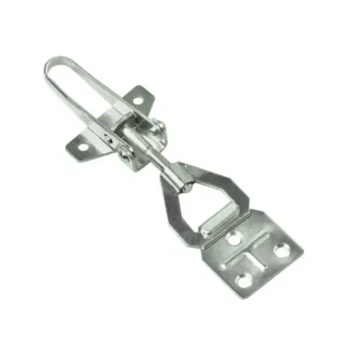
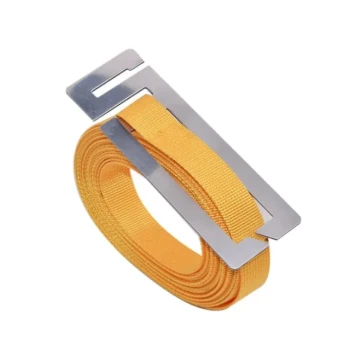
Secure hive bodies and covers with heavy-duty straps before severe weather arrives. Straps help prevent wind from displacing the roof or separating hive boxes, which could expose the brood chamber to lethal cold.
This is a low-cost protection measure with value across both small apiaries and commercial operations. Reliable straps are also a practical accessory for distributors assembling complete winter-preparation packages.
Inspect Equipment From Dead Colonies Carefully
Isolate Equipment Before Reuse
Hive equipment from dead colonies should be sealed tightly or moved to secure storage promptly. Remaining honey can attract robber bees, which may spread problems between colonies and create additional disturbance.
Do not leave unprotected frames or boxes exposed in the apiary. Separate questionable equipment from sound stock until it has been evaluated.
Check Frames for American Foulbrood
Inspect brood frames for signs of American Foulbrood before reusing components. Contagious disease concerns take priority over the value of drawn comb or otherwise serviceable woodenware.
Disease-contaminated equipment should not be returned to active colonies. Follow applicable veterinary, apiary, or local regulatory guidance for disposal or treatment.
Reuse Sound Comb Selectively
If frames are free of contagious disease, valuable drawn comb may be aired out and reused. Defective frames should be cleaned appropriately or replaced rather than returned to service.
This inspection step protects the health of the apiary and improves inventory decisions. A supplier that can provide replacement frames, hive bodies, covers, reducers, and guards from one source can shorten response time when winter inspections reveal multiple defects.
Understanding the Trade-offs
Do Not Confuse Insulation With Airtightness
Additional wrapping and insulation can reduce exposure to rain and cold, but blocking ventilation can increase condensation. The objective is a dry, stable hive environment, not an airtight enclosure.
Every protective layer should be checked against the entrance and ventilation design before installation. Moisture control must remain part of the preparation plan.
Do Not Use Entrance Restrictions Without Inspection
A reducer that is too restrictive, damaged, or poorly positioned can interfere with bee movement. A reducer that is too large may fail to prevent mice from entering.
Inspect the accessory after installation and again after periods of severe weather. Entrance protection works only when it remains correctly aligned and securely attached.
Do Not Reuse Questionable Woodenware
Replacing a defective box or frame may seem more expensive than keeping it in service, but structural failure, moisture damage, or disease transmission can create far greater losses. Product durability matters because winter components must withstand months of exposure with limited beekeeper intervention.
For B2B buyers, purchasing specifications should include wood quality, precise dimensions, secure cover fit, accessory compatibility, and reliable delivery. The cheapest component is not necessarily the lowest-cost option over repeated seasons.
Making the Right Choice for Your Goal
Before winter, use a consistent inspection checklist and source compatible components together so that no weak point is overlooked.
- If your primary focus is colony survival: Prioritize sound bottom boards, intact boxes, secure covers, controlled ventilation, and correctly fitted mouse guards or entrance reducers.
- If your primary focus is pest prevention: Reduce the entrance to a defensible opening, inspect for bypass gaps, and consider tunnel entrances where wasp pressure is high.
- If your primary focus is equipment longevity: Remove excess comb and propolis, repair or replace damaged wood, paint exposed exterior surfaces, and protect roofs and boxes from precipitation.
- If your primary focus is apiary hygiene: Isolate equipment from dead colonies, inspect brood frames for American Foulbrood, and reuse drawn comb only when it is free from contagious disease.
- If your primary focus is procurement efficiency: Choose suppliers able to provide durable hive boxes, covers, bottom boards, straps, reducers, mouse guards, and other entrance accessories with responsive service and dependable fulfillment.
A carefully inspected, weather-protected, and properly restricted hive gives the colony its best chance to remain dry, secure, and defensible throughout winter.
Summary Table:
| Component | Inspection Focus | Key Actions |
|---|---|---|
| Bottom Board | Cleanliness, stability, rot | Remove debris; repair or replace if decayed |
| Hive Boxes | Splits, holes, loose joints | Scrape excess comb/propolis; repair or replace |
| Covers | Fit, weather resistance | Ensure tight seal; consider insulation |
| Ventilation | Proper airflow without condensation | Check vents; install wrapping without blocking |
| Entrance Reducer | Correct size (≤1cm) |
Related Products
- Wooden Bee Hive Frames for Beekeeping and Wholesale
- HONESTBEE Wired and Assembled Wooden Bee Frames Foundation for a Thriving Hive
- Wholesales Dadant Size Wooden Bee Hives for Beekeeping
- Assembled Wooden Bee Frames with Plastic Foundation for Durability and Convenience by HONESTBEE
- Solid Bottom Board Australian Pine Wood Langstroth Bottom Board for Wholesale
People Also Ask
- How does balancing the number of frames impact hive productivity? Optimize Your Apiary's Biological Output
- How do wooden and plastic hive frames compare in terms of durability? Wood vs. Plastic Longevity & Repairability
- What are the main considerations when choosing between wooden and plastic bee hive frames? Optimize Your Apiary's Efficiency
- How should beehive frames be maintained to prolong their lifespan? 5 Pro Tips for Durable Beekeeping Equipment
- What is the primary function of frames within a beehive system? Structural Foundation and Hive Management