The primary adjustment for foundationless beekeeping is maintaining strict vertical alignment to prevent structural failure. You must hold the frame in a fixed "up-and-down" position at all times, never tilting it flat or sideways as you might with wired foundation. To change your view or catch better light, you must move your own body around the frame rather than rotating the frame itself.
The absence of a rigid midrib makes foundationless comb significantly more fragile than conventional frames. The comb's weight is supported entirely by its attachment to the top bar, meaning any deviation from a vertical axis allows gravity to detach the comb and destroy the colony's work.
The Mechanics of Handling Fragile Comb
The Vertical Rule
When inspecting a foundationless hive, you must keep the frame perpendicular to the ground.
Unlike frames reinforced with plastic or wire, foundationless combs are delicate structures built naturally by the bees.
If you tilt the frame so the comb surface faces the sky or ground, the weight of the wax, honey, and brood will likely cause the comb to break off the top bar.
Adjusting Your Perspective
In standard beekeeping, it is common to flip a frame over to inspect the bottom or rotate it to catch the sunlight.
In foundationless beekeeping, you must move your body instead of the frame.
Walk around the frame or crane your neck to see different angles, ensuring the comb remains hanging vertically in line with gravity.
Managing Comb Construction
Relying on Starter Guides
To facilitate proper handling later, you must ensure the bees start correctly.
Foundationless frames often use a starter guide, such as a wedge-top bar forming a 'V' shape, to give bees a hint of where to begin.
While these guides encourage bees to build down from the center, they do not guarantee straightness as the comb extends.
Correcting Deviations Early
Because the comb is fragile, you must correct "cross comb" (comb built across multiple frames) immediately while the wax is fresh.
New wax is white and pliable, allowing you to gently push it back into alignment with a gloved hand.
Regular monitoring right after installation is critical to ensure the comb is built straight on the bars, ensuring the frame remains movable for future inspections.
Understanding the Trade-offs
The Risk of Comb Collapse
The most significant downside to foundationless beekeeping is the lack of structural redundancy.
If you handle a frame improperly, or if the bees build heavy honey stores on new wax during a hot day, the risk of the comb detaching is high.
This fragility requires a slower, more deliberate inspection pace compared to managing standard frames.
Difficulty in Manipulation
Because you cannot turn the frame freely, detailed inspections for eggs or larvae can be physically awkward.
You may find it difficult to spot the queen or identify diseases if the lighting is poor and you cannot tilt the frame to compensate.
Furthermore, starter guides reduce but do not eliminate the chance of cross-comb, which can "glue" frames together and make removal nearly impossible without damage.
Making the Right Choice for Your Goal
When adopting foundationless techniques, your handling must align with the goal of preserving the comb's delicate structure.
- If your primary focus is routine inspection: Always keep the frame vertical and move your feet or head to change your viewing angle, never your hands.
- If your primary focus is comb correction: Inspect new frames frequently and gently mold misaligned white wax back into place before it hardens.
Respecting the fragility of natural wax ensures you work with the bees' biology rather than fighting against gravity.
Summary Table:
| Handling Aspect | Foundationless Adjustment | Why It Matters |
|---|---|---|
| Frame Orientation | Maintain strict vertical alignment | Prevents heavy wax from breaking off the top bar |
| Inspection View | Move your body, not the frame | Avoids tilting the comb and causing gravitational collapse |
| Comb Alignment | Frequent monitoring & manual correction | Ensures straight comb that remains movable and manageable |
| Inspection Pace | Slow and deliberate | Higher fragility requires more careful movement than wired frames |
| Structural Support | Relies on starter guides (e.g., wedge-top) | Guides bees to build straight without a plastic midrib |
Elevate Your Apiary Operations with HONESTBEE
Transitioning to foundationless beekeeping requires precision tools and a deep understanding of bee biology. At HONESTBEE, we empower commercial apiaries and distributors by providing the industry's most reliable beekeeping equipment. From specialized hive-making machinery to high-quality consumables and honey-themed merchandise, our wholesale solutions are designed to support your growth.
Ready to scale your beekeeping business? Our experts are here to provide the hardware and machinery you need to thrive. Contact us today to discuss your wholesale needs!
Related Products
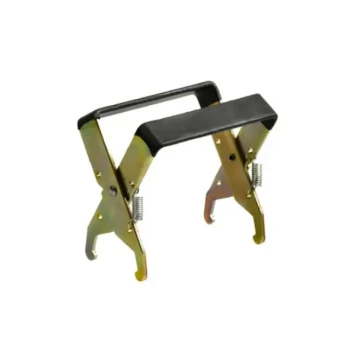
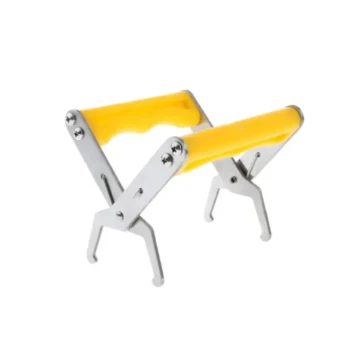
- Durable Rubberized Comfort Handle Frame Grip
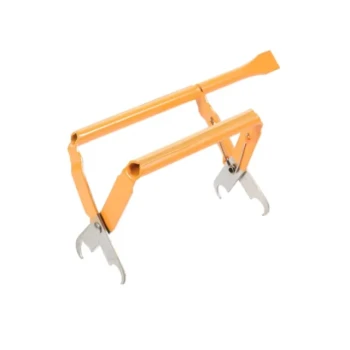
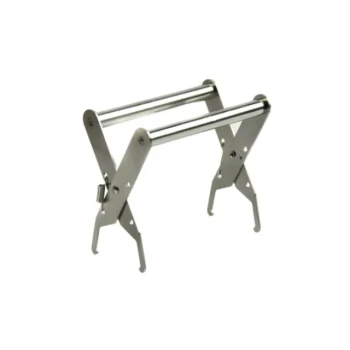
- Durable Galvanized Steel Frame Grip
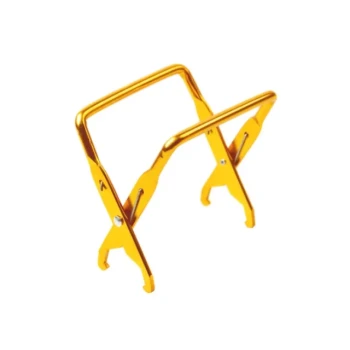
- Lightweight Aluminum Frame Grip
- Ergonomic Plastic Frame Spacer Tool for Rapid Hive Management Beekeeping
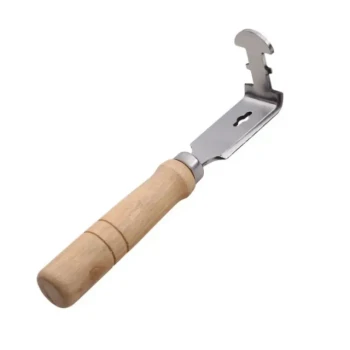
- Professional Stainless Steel Frame Cleaner with Ergonomic Wood Handle
People Also Ask
- What is the primary function of frame grips in beekeeping? Master Hive Inspections with Stability
- What is a frame grip and how is it used? Secure Your Hive Inspections with Ease
- What is the purpose of using frame grips in beekeeping operations? Elevate Your Apiary Precision & Hive Safety
- What is the purpose of a frame grip in beekeeping? Achieve Secure, One-Handed Frame Handling
- What are Frame Grips used for in beekeeping? Boost Your Hive Inspection Efficiency & Bee Safety