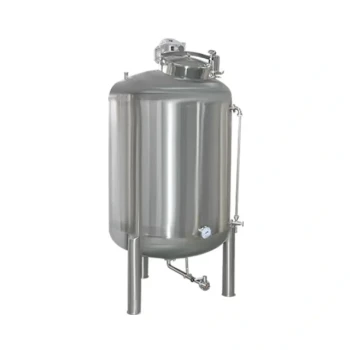
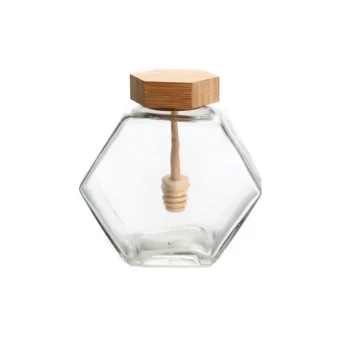
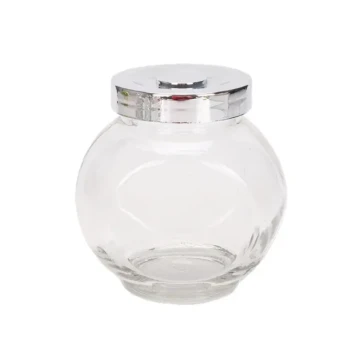
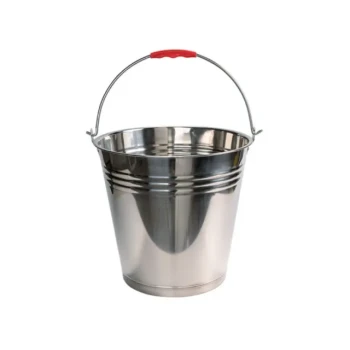
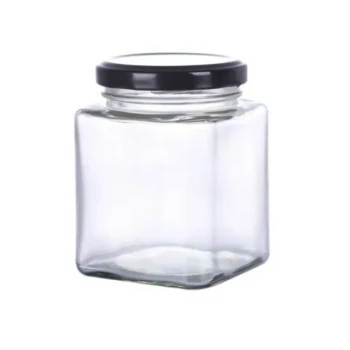
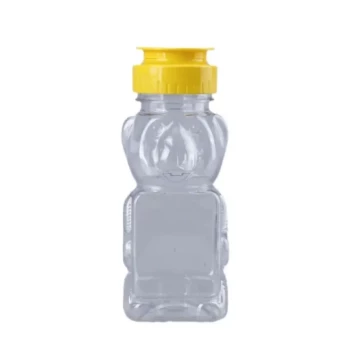
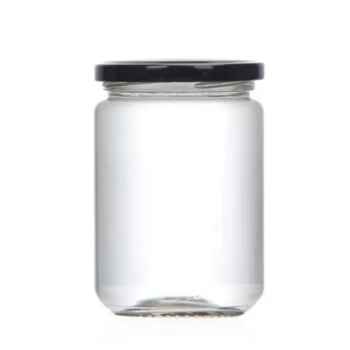
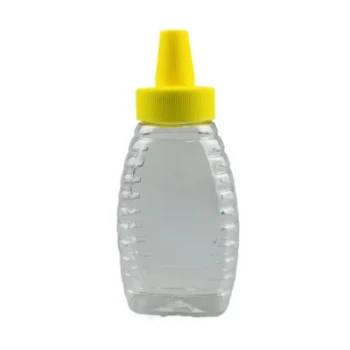
To prevent premature granulation in bulk honey, the most effective method is a "decant and freeze" strategy. Immediately pour a manageable amount of honey into a smaller container for your daily use, then place the original large container in the freezer. Freezing creates an environment that is too cold for sugar crystals to form, effectively hitting the "pause button" on granulation for the bulk of your supply.
Managing bulk honey requires separating your long-term supply from your daily supply. By freezing the large container, you completely halt the crystallization process, preserving the liquid texture until you are ready to use it.
The Mechanics of Preservation
Why Freezing Works
Honey naturally crystallizes over time, especially at cool room temperatures. However, placing honey in the freezer creates a temperature range that is too low for this chemical process to occur.
Halting Crystal Formation
While a pantry shelf may actually accelerate granulation depending on the temperature, the freezer halts it. The extreme cold prevents the sugar molecules from aligning into crystals, keeping the honey in a suspended liquid state.
The Refill Workflow
Isolate Your Daily Supply
Do not keep the large container on your counter. Keep a small, separate jar for regular access. This limits the bulk supply's exposure to air and temperature fluctuations.
Restoring the Bulk Supply
When your small jar runs low, remove the large container from the freezer. You can warm the large container gently until the honey becomes fluid enough to pour easily.
Returning to Storage
Once you have refilled your smaller vessel, return the large container to the freezer immediately. This minimizes the time the bulk honey spends in the "danger zone" where granulation can occur.
Common Pitfalls to Avoid
The Danger of "Seed" Crystals
The most common mistake when refilling honey is topping off a jar that still contains residue. Old crystals at the bottom of a jar act as seeds.
How Seeds Spread
If you pour liquid honey onto these existing crystals, they will act as a catalyst. This causes the new, liquid honey to granulate much faster than it would have in a clean jar.
The Cleaning Protocol
Before refilling your small container, ensure it is completely free of old honey. Wash and dry the container thoroughly to remove any potential seed crystals.
Making the Right Choice for Your Goal
To manage your honey supply effectively, match your storage method to your usage timeline:
- If your primary focus is immediate convenience: Keep a small, washable dispenser at room temperature for daily access.
- If your primary focus is long-term preservation: Store the vast majority of your supply in the freezer to prevent texture changes.
By strictly separating your active supply from your deep storage, you can enjoy liquid honey indefinitely without waste.
Summary Table:
| Storage Method | Temperature Impact | Best Use Case | Granulation Risk |
|---|---|---|---|
| Room Temp (Pantry) | Moderate; fluctuates | Small daily containers | High (over time) |
| Freezer Storage | Extreme Cold; halts chemistry | Bulk supply preservation | Near zero |
| Warm Water Bath | Gentle Heat; melts crystals | Restoring flow for pouring | N/A |
| Contaminated Jar | N/A; 'Seed' crystals present | Avoid at all costs | Extremely High |
Elevate Your Honey Business with HONESTBEE
Are you a commercial apiary or a distributor looking for professional-grade solutions? HONESTBEE provides the industry's most comprehensive selection of beekeeping tools, machinery, and equipment. From specialized honey-filling machines designed to handle bulk supply with precision to high-quality hive-making hardware and honey-themed cultural merchandise, we cater to every aspect of your operation.
Maximize your efficiency and product quality with our wholesale offerings. Our expert team is ready to help you scale your production and satisfy your customers.
Ready to upgrade your equipment? Contact us today to explore our wholesale catalog!
Related Products
- Stainless Steel Honey Storage Tank with Lid for Honey
- Stainless Steel Honey Storage and Settling Tank with Double Strainer
- Professional Honey Storage Tank with Agitation System
- Hexagonal Glass Honey Jar with Wooden Lid Integrated Dipper Elegant Functional Storage
- Stainless Steel Honey Tank Stand for Honey Storage
People Also Ask
- What economic role do honey storage tanks play? Boost Your Revenue Through Strategic Inventory Management
- What roles do industrial honey storage tanks and filtration meshes play in processing? Ensure Purity & Consistency
- What is the purpose of a honey storage tank? Streamline Your Honey Processing for Quality & Efficiency
- What are honey storage tanks used for? Essential Features for Quality Preservation and Profit
- How do large honey storage tanks and gravity fall filling systems improve honey packaging efficiency and safety?