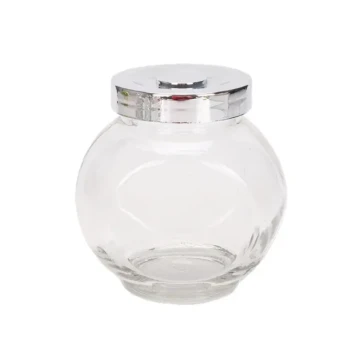
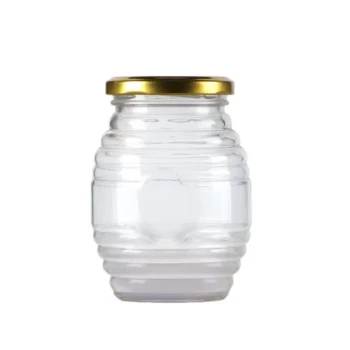
Glass containers are chosen for organic honey primarily due to their exceptional chemical inertness and inability to interact with the product. Unlike other materials, glass does not react with the acidic nature of honey, ensuring no microplastics, odors, or plasticizers leach into the jar. This neutrality is essential for preserving the honey's delicate enzymatic activity, aroma, and physicochemical properties, meeting the strict safety requirements of organic certification.
Glass acts as an impermeable, neutral barrier that protects the "living" nature of organic honey. By preventing chemical migration and oxidation, it ensures the therapeutic efficacy and flavor profile remain exactly as the bees produced them.
Preserving Chemical Purity
The "organic" label signifies a product free from synthetic interference. The packaging material must honor this promise by remaining invisible at a chemical level.
Absolute Chemical Inertness
Glass possesses a dense molecular structure that makes it chemically inert. Because honey is naturally acidic, it can react with lesser materials over time. Glass acts as a neutral vessel, preventing any chemical reaction between the container and the honey's acids.
Preventing Synthetic Leaching
Plastic packaging carries an inherent risk of leaching substances, such as plasticizers or microplastics, into the food product. Glass eliminates this risk entirely. It ensures that no foreign chemical substances migrate into the honey, maintaining the absolute purity required for organic standards.
Protecting Biological and Therapeutic Value
Organic honey is often valued for its health benefits, specifically its antibacterial properties. The choice of container directly impacts the lifespan of these benefits.
Maintaining Enzymatic Activity
Organic honey contains unstable antibacterial components, such as hydrogen peroxide, which serve as natural medicine. Glass packaging effectively maintains the biological activity of these components. It stabilizes the honey, ensuring that its therapeutic efficacy does not degrade during storage.
Controlling the Internal Environment
In research settings, sterile glass is preferred because it allows scientists to measure changes in honey accurately. Because glass is non-reactive, any changes in pH or HMF (Hydroxymethylfurfural) levels can be attributed solely to the honey's natural aging, rather than environmental contamination.
Sensory Qualities and Barrier Properties
Beyond chemistry, the physical barrier provided by glass is superior for maintaining the sensory experience of the honey.
Blocking Oxygen and Odors
Glass provides superior airtightness and barrier properties compared to porous materials like pottery or permeable low-grade plastics. It effectively blocks the entry of oxygen, which slows down oxidative browning. It also prevents the honey from absorbing external odors, preserving its specific floral aroma.
Visual Inspection
The transparency of glass allows for immediate visual assessment of the product. Consumers and retailers can verify the honey's quality, texture, and crystallization status without opening the seal.
Understanding the Trade-offs
While glass is the gold standard for quality preservation, it is not without logistical challenges.
The Fragility Factor
The primary risk associated with glass is breakage. Unlike industrial-grade plastic bags or containers, glass requires careful handling during transport to avoid shattering.
Weight and Logistics
Glass is significantly heavier than plastic. For bulk transport, especially in rugged terrain, high-quality food-grade plastic is sometimes preferred because it is lightweight and impact-resistant, even if it lacks the long-term inertness of glass.
Making the Right Choice for Your Goal
While glass is the superior choice for the product itself, your specific operational needs may dictate your approach.
- If your primary focus is Premium Retail and Long-Term Quality: Prioritize glass containers to guarantee the preservation of enzymes, prevent chemical leaching, and signal high value to the consumer.
- If your primary focus is Bulk Logistics and Transport: Consider high-grade food plastic temporarily to reduce breakage risks and weight, transferring to glass for the final consumer stage.
Ultimately, for organic honey where purity is the product, glass is the only material that guarantees the container will not alter the contents.
Summary Table:
| Feature | Glass Containers | Plastic Containers |
|---|---|---|
| Chemical Reactivity | Completely Inert | Risk of leaching/microplastics |
| Acid Resistance | High (No reaction with honey) | Variable (Potential degradation) |
| Oxygen Barrier | Excellent (Prevents oxidation) | Lower (Semi-permeable) |
| Enzyme Protection | Superior preservation | Moderate preservation |
| Durability | Fragile (Risk of breakage) | High impact resistance |
| Weight | Heavy (Higher shipping cost) | Lightweight (Lower logistics cost) |
Elevate Your Honey Brand with HONESTBEE
At HONESTBEE, we understand that premium organic honey requires professional-grade equipment and packaging to maintain its value. Whether you are a commercial apiary or a distributor, we provide the comprehensive tools you need to succeed.
Our value to your business:
- Precision Machinery: From honey-filling machines designed for glass containers to hive-making hardware.
- Wholesale Solutions: A full spectrum of beekeeping tools, machinery, and essential consumables.
- Brand Support: Honey-themed cultural merchandise to enhance your retail presence.
Don't let inferior equipment compromise your honey's purity. Contact us today to discover how HONESTBEE can streamline your production and protect your product's organic integrity!
References
- L. A. Osintseva, В. В. Гарт. Organic beekeeping in Russia. DOI: 10.1051/bioconf/20213606022
This article is also based on technical information from HonestBee Knowledge Base .
Related Products
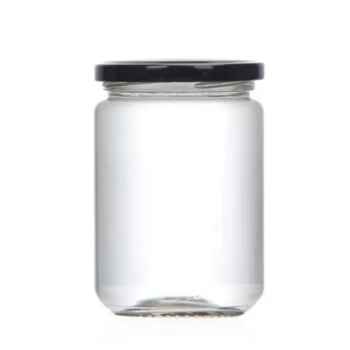
- Classic Round Glass Honey Jar with Lid
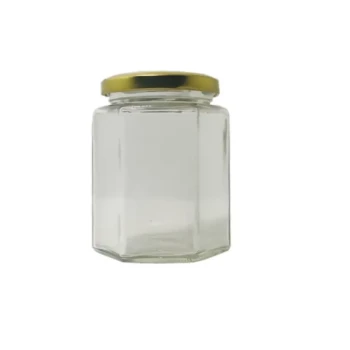
- Hexagonal Glass Honey Jars with Metal Lug Caps Elegant Versatile Packaging
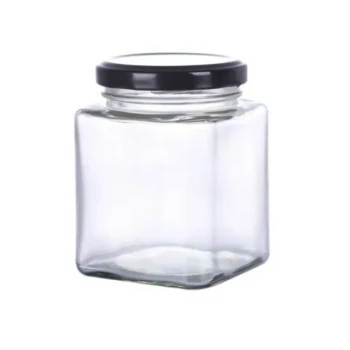
- Modern Square Glass Honey Jar with Twist Off Lid
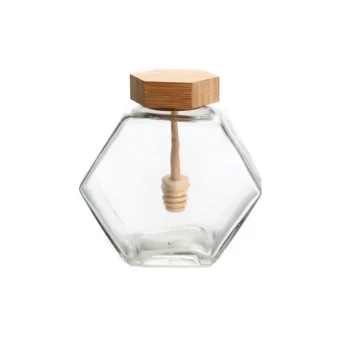
- Hexagonal Glass Honey Jar with Wooden Lid Integrated Dipper Elegant Functional Storage
- Classic Drum Shaped Glass Honey Jar with Airtight Lid
People Also Ask
- What is the aesthetic appeal of using glass jars for honey? Elevate Your Brand with Premium Packaging
- What are the advantages of glass containers for honey? Elevate Quality and Market Value with Premium Packaging
- How does the appearance of glass jar packaging affect the sales and perception of honey? Boost Your Premium Brand Value
- Why is a glass jar preferred for packaging honey? Ultimate Protection for Purity & Flavor
- What are the advantages of using high-quality glass containers in the commercial packaging of honey? Boost Premium Value