To select the best disposable nitrile gloves for beekeeping, you must prioritize a balance between tactile sensitivity and physical protection. You should look for gloves that offer a snug fit to maximize dexterity, allowing for gentle handling that reduces bee agitation, while ensuring you purchase enough quantity to use a fresh pair for every hive to prevent cross-contamination.
The most effective beekeeping glove is not necessarily the thickest one; it is the one that allows you to handle the colony with enough precision to avoid crushing bees, which is the primary trigger for defensive stinging behavior.
The Strategy: Sensitivity as a Safety Feature
The Logic of Thinner Material
Contrary to intuition, thinner gloves often result in fewer stings. Thick gloves numb your hands, leading to clumsy movements that accidentally crush bees. When bees are crushed, they release alarm pheromones that trigger the rest of the colony to attack.
Enhancing Dexterity
Nitrile gloves mimic the dexterity of being barehanded while still providing a barrier. This sensitivity allows you to feel the frames and the bees, enabling smoother, slower manipulations. Gentler handling keeps the colony calm, effectively acting as a proactive safety measure.
Puncture Resistance vs. Sting Proof
It is vital to understand that nitrile is puncture-resistant, not sting-proof. While nitrile is a strong synthetic rubber, a bee can still sting through it. However, the material usually prevents the stinger from embedding deeply into the skin, making the sting significantly less severe and easier to remove.
Key Selection Criteria
The Importance of a Snug Fit
You must select a size that fits your hand tightly. Loose gloves create folds where bees can get trapped and crushed, and they reduce the precision needed to lift frames. A snug fit ensures the glove feels like a second skin, preventing bees from crawling inside the glove.
Texture and Grip
Beekeeping involves lifting heavy wooden frames often stuck together with propolis (bee glue). Look for gloves that feature textured fingertips or palms. This enhanced grip prevents frames from slipping, which could jar the hive and agitate the bees.
Sanitary Considerations
One of the strongest arguments for disposable nitrile is hygiene. You should adopt a protocol of one pair per colony. This eliminates the risk of transferring pathogens or pests between hives, a common issue with reusable leather gloves.
Understanding the Trade-offs
The Wrist Gap Vulnerability
Standard disposable nitrile gloves typically have short cuffs. This creates a dangerous gap between the glove and your bee suit where bees can sting your wrists. You must ensure your jacket sleeves are long enough to cover this gap entirely, or seek out "extended cuff" nitrile options.
Durability Limitations
Because they are disposable, these gloves have lower durability than leather. They can tear on sharp hive tool edges or wooden splinters. It is advisable to keep a box nearby to replace them immediately if a breach occurs.
Moisture Management
Nitrile is non-breathable, which leads to sweaty hands during hot summer inspections. This can make the gloves difficult to take off. Some beekeepers mitigate this by wearing thin cotton liners underneath, though this slightly reduces dexterity.
Making the Right Choice for Your Goal
Select your gloves based on your specific experience level and hive management goals:
- If your primary focus is Maximum Dexterity (Advanced): Choose standard thickness (3-5 mil) gloves to manipulate frames with barehand-like precision.
- If your primary focus is Added Protection (Beginner): Opt for a thicker gauge (6-8 mil) or wear cotton liners underneath to increase the distance between the bee and your skin.
- If your primary focus is Biosecurity: Prioritize buying in bulk to ensure you never hesitate to discard gloves between hives or when working with chemicals like oxalic acid.
Ultimately, the best glove is the one that gives you the confidence to work the hive smoothly, keeping the bees calm and your hands clean.
Summary Table:
| Feature | Standard Nitrile (3-5 mil) | Heavy-Duty Nitrile (6-8 mil) | Leather Gloves |
|---|---|---|---|
| Dexterity | Maximum / Barehand-feel | Moderate | Low / Clumsy |
| Sting Protection | Basic / Reduces depth | Better / Thicker barrier | High / Thick material |
| Biosecurity | Excellent (Disposable) | Excellent (Disposable) | Poor (Harbors pathogens) |
| Grip/Texture | Often textured fingertips | Usually fully textured | Smooth / Slippery |
| Best For | Advanced precision work | Beginners / Chemical handling | Aggressive colonies |
Scale Your Apiary Operations with HONESTBEE
At HONESTBEE, we specialize in empowering commercial apiaries and distributors with premium-grade beekeeping solutions. Whether you need high-durability disposable nitrile gloves in bulk or specialized honey-filling machinery, our comprehensive wholesale portfolio has you covered. From essential consumables to hive-making hardware and honey-themed cultural merchandise, we provide the tools you need to maximize efficiency and maintain hive biosecurity.
Ready to upgrade your equipment? Contact us today to discuss how our wholesale offerings can support your business growth!
Related Products
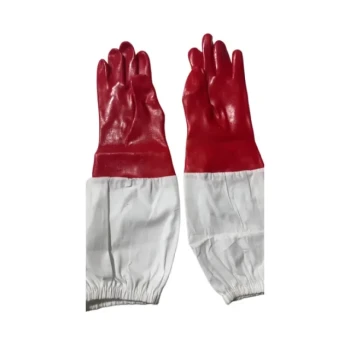
- Heavy Duty Red Rubber Beekeeping Gloves with Extended Pure Cotton Sleeves for Beekeepers
- Goatskin Leather Beekeeper Gloves with Vent Long Sleeve for Beekeeping Honey Bee Sting Proof Protection
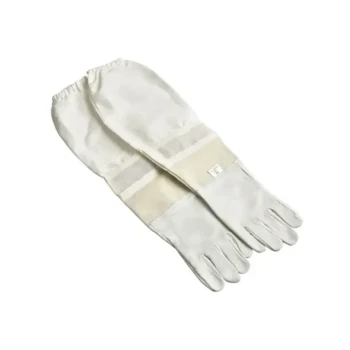
- Beekeeping Gloves Goatskin Leather with Long Cotton Sleeve for Beekeepers
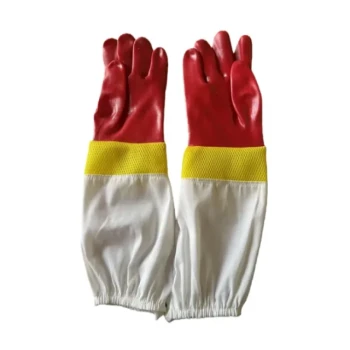
- Heavy Duty Red Rubber Beekeeping Gloves with Vented Mesh Cotton Sleeves
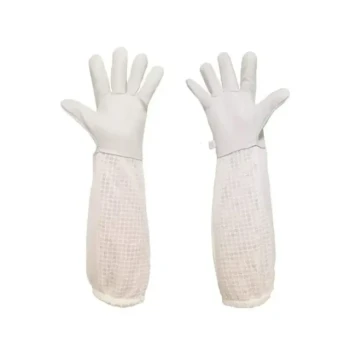
- Premium Ventilated Goatskin Beekeeping Gloves with Full 3-Layer Mesh Sleeve
People Also Ask
- When might a beekeeper decide to work without gloves? Master Hive Finesse and Dexterity
- Why is cleaning beekeeping gloves necessary? Vital Steps for Apiary Biosecurity and Hive Management
- What factors should be considered when selecting beekeeping gloves? Balance Protection and Dexterity
- What are the benefits of properly cleaning and storing beekeeping gloves? Protect Your Bees, Safety & Investment
- Why is personal preference important when choosing beekeeping gloves? Find Your Perfect Fit for Protection & Dexterity