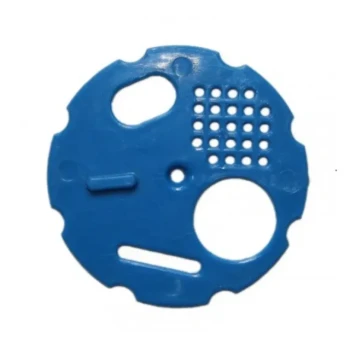
The adjustment of entrance reducer notches must evolve in tandem with your colony's ability to defend itself. Use the smallest opening early in the year for weak colonies, rotate to the larger notch as they strengthen, and remove the device entirely once the population is robust enough to protect the hive without assistance.
Entrance management is a balance between access and security; restrict the entrance when the colony is vulnerable and expand it as their defensive capability grows.
Aligning Entrance Size with Colony Lifecycle
The Early Season Strategy
When the year begins, the colony is typically at its weakest and most vulnerable.
During this phase, you must use the smallest opening on the reducer.
This minimizes the physical area the bees must guard, allowing a smaller population to effectively secure their home.
Adapting to Growth
As the season progresses, the colony will naturally increase in population and strength.
Once this growth is evident, rotate the reducer to the larger notch.
This allows for greater traffic flow to accommodate the growing workforce while still maintaining a restricted, manageable entry point.
Full Access for Strong Colonies
The ultimate goal is for the colony to become self-sufficient in its defense.
When the bees are capable of defending themselves adequately, you should remove the entrance reducer entirely.
This grants the hive full access, preventing bottlenecks and allowing the colony to operate at maximum efficiency.
Understanding the Trade-offs
The Risk of Premature Opening
Expanding the entrance too quickly exposes a developing colony to significant danger.
If the workforce is too small to guard a wide entrance, the hive becomes an easy target for robbing bees or pests.
Always err on the side of caution if you are unsure of the colony's defensive strength.
The Impact of Over-Restriction
Conversely, leaving the smallest notch in place as the colony booms can be detrimental.
While security is paramount, a large population requires "full access" to function correctly.
Failing to remove the reducer for a strong colony restricts the flow of foragers, potentially hindering the hive's productivity.
Making the Right Choice for Your Goal
To properly manage your hive entrance, assess the colony's current status and apply the following:
- If your colony is weak or just starting the year: Utilize the smallest notch to maximize security and minimize the defensible area.
- If your colony is growing and strengthening: Rotate to the larger opening to facilitate increased activity while maintaining a reduced entrance.
- If your colony is at peak strength and fully defensive: Remove the reducer entirely to provide the bees with full, unrestricted access to the hive.
By matching the entrance size to the colony's defensive capability, you ensure the hive remains secure without hindering its productivity.
Summary Table:
| Colony Strength | Entrance Size | Primary Benefit | Timing |
|---|---|---|---|
| Weak / Small | Smallest Notch | Maximum defense; easy to guard | Early spring / New colonies |
| Moderate / Growing | Larger Notch | Increased traffic flow; moderate security | Late spring / Mid-season |
| Robust / Strong | Fully Removed | Maximum efficiency & productivity | Peak nectar flow / Full summer |
Scale Your Apiary Operations with HONESTBEE
Managing hive health starts with the right tools. At HONESTBEE, we specialize in supporting commercial apiaries and distributors with high-quality, professional-grade beekeeping equipment. Whether you need specialized hardware like hive-making and honey-filling machines to streamline production, or a consistent wholesale supply of beekeeping tools and consumables, we have you covered.
Our comprehensive portfolio is designed to help your business flourish—from essential hardware to honey-themed cultural merchandise. Partner with a supplier that understands the needs of large-scale beekeeping and industrial efficiency.
Boost your productivity and secure your supplies—contact HONESTBEE today for a wholesale consultation!
Related Products
- Steel Round Disc Entrance Reducer for Flexzion Bee Hive Nuc Box Gate
- Beehive Entrance Reducer Guardian Metal Hive Entrance for Bees
- Professional Hive Front Entrance Bee Feeder
- HONESTBEE Entrance Bee Feeder Efficient Hive Front Liquid Feeding Solution for Beekeeping
- HONESTBEE Entrance Bee Feeder Professional Hive Nutrition Solution for Beekeeping
People Also Ask
- What is the purpose of an entrance reducer for a beehive? Strengthen Colony Defense and Prevent Robbery
- Why are entrance reducers used to counter hornet infestations? Protect Your Hive with Strategic Choke Points
- Why is it critical to maintain a smaller entrance for a newly established bee hive? Boost Colony Growth and Security
- What is the function of an entrance reducer on a beehive? Strengthen Colony Defense and Climate Control
- Under what conditions should a beekeeper adjust the size of a beehive entrance? Seasonal & Defense Management Tips