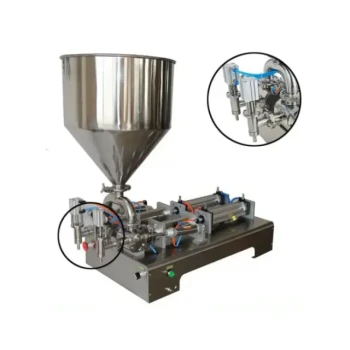
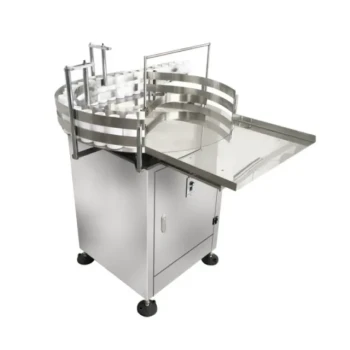
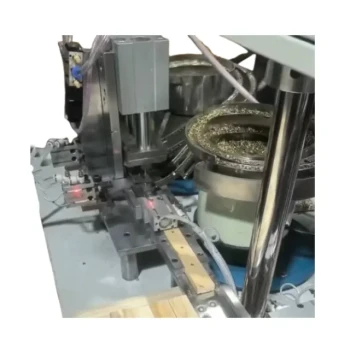
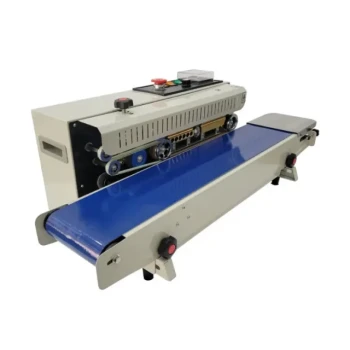
Automated filtration and filling systems function as a dual-layer physical defense, utilizing fine stainless steel meshes to actively strip solid impurities while employing enclosed processing loops to isolate the honey from the external environment. This mechanized approach physically captures debris such as wax particles and larvae remains, ensuring they are permanently removed from the supply chain before packaging begins.
By replacing open manual handling with mechanized, closed-loop systems, producers establish a consistent physical firewall against contaminants. This ensures the final product remains pure, visually clear, and compliant with strict international food safety regulations.
The Mechanics of Physical Separation
Precision Filtration Meshes
The primary line of defense involves fine stainless steel meshes integrated directly into the automated line.
These meshes act as a sieve, physically intercepting and retaining solid particulate matter. By capturing wax particles, larvae remains, and other hive debris, the system ensures that only the liquid honey passes through to the next stage.
Enclosed Processing Loops
Unlike manual methods that may expose honey to open air, automated equipment operates as a closed-loop system.
This design creates a continuous physical boundary between the product and the processing facility. It prevents airborne dust, foreign objects, or insect pests from coming into contact with the honey during the critical transition from extraction to filling.
Prevention of Secondary Contamination
Eliminating Human Contact
Automated filling machines significantly reduce the need for human intervention, which is a common source of biological contamination.
By automating the quantitative filling process, the equipment removes the variability and hygiene risks associated with manual handling. This creates a sterile workflow where the honey is touched only by sanitized machinery, not human hands.
Material Barriers
Industrial-grade equipment is constructed from food-grade stainless steel, which acts as a barrier against chemical contamination.
This material choice prevents external metal impurities and rust from migrating into the honey. It ensures that heavy metal levels remain strictly controlled and below legal safety limits throughout the processing cycle.
Sealing and Storage Safety
Induction Sealing Technology
Once filled, automated systems often utilize automatic induction sealing to create a final, hermetic physical barrier.
This process bonds a seal to the container opening, effectively blocking the ingress of external microorganisms during transport and storage. It locks in the hygiene standards achieved during filtration and prevents tampering or leakage.
Understanding the Limitations
Pre-existing Pathogens
It is critical to understand that while these physical barriers effectively stop external debris, they do not sterilize the honey of pre-existing spores.
For example, spores like Clostridium botulinum that may already exist in the raw honey are not removed by standard filtration meshes or sealing. The physical barrier protects against new contamination but does not neutralize inherent biological risks.
Maintenance Dependencies
The safety provided by these physical barriers is entirely dependent on the cleanliness of the machinery itself.
If the stainless steel meshes or filling nozzles are not cleaned according to strict protocols, the equipment can become a source of cross-contamination rather than a barrier against it.
Ensuring Safety Across the Production Line
- If your primary focus is Regulatory Compliance: Prioritize systems with verified food-grade stainless steel construction and fine mesh filtration to ensure impurity removal meets international standards.
- If your primary focus is Logistics and Shelf Life: Focus on equipment featuring advanced induction sealing to prevent microorganism ingress and leakage during global shipping.
Automated equipment is not just a tool for efficiency; it is a critical infrastructure investment that physically secures the purity and safety of your final product.
Summary Table:
| Feature | Physical Barrier Function | Primary Benefit |
|---|---|---|
| Fine Mesh Filtration | Physically traps wax, larvae remains, and debris | Ensures visual clarity and purity |
| Closed-loop System | Isolates honey from open air and airborne dust | Prevents environmental contamination |
| Automated Filling | Removes direct human handling from the workflow | Minimizes biological and hygiene risks |
| Induction Sealing | Creates a hermetic, tamper-evident final seal | Blocks microorganism ingress during transit |
| Food-grade Steel | Prevents chemical/heavy metal migration | Maintains strict regulatory compliance |
Secure Your Honey Purity with HONESTBEE
As a global leader in professional apiculture solutions, HONESTBEE empowers commercial apiaries and distributors with the high-precision machinery needed to maintain world-class safety standards. From advanced honey-filling machines and automated filtration lines to durable hives and essential beekeeping consumables, our wholesale portfolio is designed for industrial efficiency.
Ready to upgrade your production safety? Contact our specialists today to discover how our specialized hardware and cultural merchandise can enhance your brand's value and global competitiveness.
References
- María Virginia Mujica, Estela Santalla. Carbon footprint of honey produced in Argentina. DOI: 10.1016/j.jclepro.2015.12.086
This article is also based on technical information from HonestBee Knowledge Base .
Related Products
- Automatic Honey Filling and Filtering Machine for Beekeeping Bottle Filling
- Fully Automatic Honey Filling Packaging Machine for Processing Line
- Precision Automated Packaging Turntable Honey Spoon Filling Sealing Packing Machine
- Precision Durable Efficient HONESTBEE Rotary Honey Filling Machine
- Manual Honey Filling Machine Bottling Machine for Honey
People Also Ask
- What process advantages do professional honey filtering and filling machines provide? Optimize Your Organic Honey Output
- How do honey filling and filtering machines increase product value? Turn Raw Honey into Premium Export-Grade Goods
- How do honey filtration and filling machinery contribute to industrialization? Scale Your Commercial Honey Production
- What specific issues do industrial filtration and automated filling machinery address? Ensure Honey Quality & Compliance
- How does the use of professional honey filtration and filling machinery facilitate international honey exports?