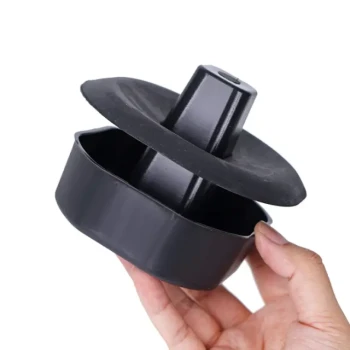
Hive stands protect honey bees by physically elevating the hive, effectively placing the colony’s entrance out of the immediate reach of ground-based predators. By raising the hive structure, you disrupt the specific behavioral patterns skunks use to harvest bees, making the colony a much difficult target.
Skunks rely on scratching at a low entrance to lure bees out for a meal. A hive stand mitigates this threat by distancing the entrance from the ground, rendering the skunk's primary hunting tactic ineffective.
Disrupting Predatory Behavior
To understand why a simple stand is so effective, you must understand the specific hunting strategy of the skunk.
The "Scratch and Lure" Tactic
Skunks are insectivores that typically hunt at night. Unlike bears, which may destroy the entire hive structure, skunks employ a more subtle approach known as scratching.
They approach the hive entrance and scratch at the wood. This vibration and noise alarm the guard bees, prompting them to exit the hive to investigate the disturbance. Once the bees emerge, the skunk consumes them.
Breaking the Cycle with Elevation
The primary function of the hive stand in this context is access control.
When a hive sits directly on the ground, the entrance is at eye level for a skunk. The predator can easily scratch, wait, and feed without exertion.
By placing the hive on a stand, you elevate the entrance. This makes it physically difficult for the skunk to scratch the landing board while keeping its footing. If the skunk cannot comfortably scratch the entrance, it cannot trigger the defensive response from the bees that it relies on for food.
Understanding the Trade-offs
While hive stands are highly effective against skunks, they are not a "cure-all" for every predator in the apiary.
Ground vs. Aerial Threats
Hive stands are a solution specifically designed for ground-based threats. They utilize gravity and height to deter animals like skunks that cannot or will not climb the stand.
However, elevation offers zero protection against flying predators. As noted in apiary management principles, threats like wasps or bee-eaters require completely different defense mechanisms.
The Limits of Passive Defense
A stand is a passive defense. It does not actively repel attacks; it simply makes the attack inconvenient.
For aerial threats, active intervention is often required. This includes using wooden flappers to physically remove wasps or employing auditory and visual deterrents (like bells) to interfere with the sensory attacks of birds. Do not rely on your stand to protect against these airborne pests.
Making the Right Choice for Your Apiary
The decision to use a hive stand should be based on the specific predator profile of your location.
- If your primary focus is skunk deterrence: Prioritize a sturdy stand that elevates the hive entrance at least 18 inches off the ground to render scratching behaviors ineffective.
- If your primary focus is comprehensive protection: Combine hive stands for ground defense with active deterrents (flappers or noise devices) to manage aerial threats like wasps and birds.
Elevation is the simplest, most mechanical way to break the behavioral chain of a skunk attack.
Summary Table:
| Feature | Protection Mechanism | Effectiveness vs. Skunks | Effectiveness vs. Aerial Pests |
|---|---|---|---|
| Elevation | Raises entrance 18"+ above ground | High (Stops scratching) | None |
| Access Control | Disrupts predator's footing | High (Prevents feeding) | None |
| Active Deterrents | Physical/auditory intervention | Low (Needs manual effort) | High (Wasp/Bird control) |
| Ground Stability | Mechanical barrier | High (Prevents easy access) | None |
Secure Your Apiary with Professional-Grade Equipment
Protecting your honey bees from ground-based predators starts with the right infrastructure. HONESTBEE specializes in supporting commercial apiaries and distributors with high-quality, durable beekeeping equipment designed for efficiency and safety.
Whether you need specialized hive-making machinery, honey-filling systems, or a comprehensive supply of wholesale beekeeping tools and consumables, we provide the industrial-strength solutions your business needs to thrive. Elevate your production and safeguard your colonies today.
Looking for bulk supplies or custom machinery? Contact our expert team now to discuss how we can scale your beekeeping operations.
Related Products
- Plastic Bee Hive Stand for Beekeeping
- Metal Hive Feet Bee Hive Stand for Ant Protection
- Metal Bee Hive Stand Bee Box Stand for Beekeeping
- Professional Ant-Proof Beehive Stand with Integrated Moat for Beekeeping
- Professional Galvanized Steel Frame Rest for Beehives
People Also Ask
- What are the benefits of elevating a bee hive with a stand or base? Protect Your Colony and Your Back
- What are the essential technical specifications for a high-quality bee hive stand? Maximize Stability and Hive Safety
- What are the potential risks of plastic bee hive stands? Avoid Structural Failure in Your Apiary
- What height should a bee hive stand be? Optimize for Your Back and Hive Health
- Why are specialized beehive stands or protective barriers necessary for pest management in apiaries? Secure Your Colony