A beehive stand serves as the primary structural defense against foraging ants. By creating a physical gap between the soil and the hive, the stand breaks the direct path of entry for ground-based insects. Its most specific mechanism for control is the accommodation of ant guards—liquid-filled reservoirs attached to the stand's legs that create an impassable moat for crawling pests.
By elevating the hive and integrating liquid barriers, a stand effectively isolates the colony from ground threats, protecting both the bees and the structural integrity of the wooden equipment.
The Mechanics of Ant Exclusion
Breaking the Path of Travel
The fundamental function of a beehive stand is to elevate the hive body off the ground. In a commercial setting, this physical separation is the first line of defense, preventing ants from marching directly from the soil into the hive bottom.
The Role of Ant Guards
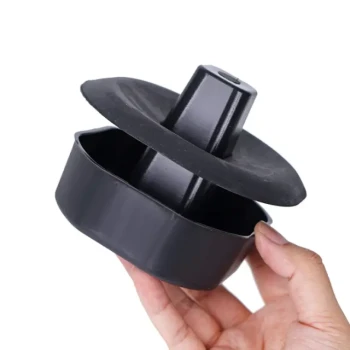
According to the primary technical data, the stand enables the installation of specialized ant guards. These are liquid-filled reservoirs placed around the legs of the stand.
How the Barrier Works
Because ants cannot swim across the liquid in the reservoir, they are physically unable to crawl up the legs to access the honey bee colony. This turns the stand into an isolation device rather than just a support structure.
Secondary Benefits of Elevation
Protection Against Moisture
Beyond pest control, hive stands sever the connection between the wooden hive and ground moisture. This prevents the wood from rotting, significantly extending the service life of expensive apiary equipment.
Optimized Ventilation
High-rise stands, often elevating the hive approximately 40 centimeters, improve air circulation beneath the bottom board. This assists bees in regulating internal humidity and temperature, which is critical for preventing fungal diseases and maintaining honey quality.
Reduction of Soil-Borne Pests
Elevation isolates the colony from other soil-borne pests beyond just ants. By keeping the hive roughly 40 centimeters off the ground, the stand reduces the impact of extreme surface temperature fluctuations and ground-dwelling parasites.
Understanding the Trade-offs
Maintenance of Barriers
While liquid-filled ant guards are effective, they are not a "set and forget" solution. The reservoirs require regular monitoring to ensure the liquid has not evaporated or become bridged by debris, which would render the barrier useless.
Stability Considerations
Elevating hives, particularly with "high-rise" stands, introduces a higher center of gravity. In commercial apiaries utilizing automated machinery or operating in windy regions, ensuring the stability of the stand legs is critical to prevent tipping.
Making the Right Choice for Your Apiary
To maximize the effectiveness of your hive stands, select equipment based on your specific environmental challenges:
- If your primary focus is aggressive ant control: Prioritize stands designed specifically to accommodate liquid-filled ant guard reservoirs on their legs.
- If your primary focus is equipment longevity: Ensure the stand elevates the hive at least 40 centimeters to maximize airflow and minimize moisture transfer from the soil.
A properly selected hive stand transforms a passive wooden box into a secure, defensible fortress for your colony.
Summary Table:
| Feature | Mechanism for Control | Key Benefit for Commercial Apiaries |
|---|---|---|
| Elevation (40cm) | Breaks direct soil-to-hive path | Prevents rotting & isolates from ground pests |
| Ant Guards | Liquid-filled moats on stand legs | Provides an impassable physical barrier for ants |
| Air Circulation | Increased space under bottom board | Reduces humidity and prevents fungal diseases |
| Wood Isolation | Severs contact with ground moisture | Extends the lifespan of expensive wooden equipment |
Secure Your Apiary Productivity with HONESTBEE
Protect your investment from destructive ant populations and equipment rot with professional-grade hardware. HONESTBEE provides commercial apiaries and distributors with high-durability beehive stands, specialized ant guard systems, and precision-engineered hive-making machinery. From essential consumables to advanced honey-filling equipment, we deliver the tools you need to scale your wholesale operations effectively.
Enhance your colony defense and equipment longevity today.
Contact our team for wholesale inquiries and expert support
Related Products
- Metal Hive Feet Bee Hive Stand for Ant Protection
- Metal Bee Hive Stand Bee Box Stand for Beekeeping
- Plastic Bee Hive Stand for Beekeeping
- Professional Ant-Proof Beehive Stand with Integrated Moat for Beekeeping
- Wooden Bee Hive Frames for Beekeeping and Wholesale
People Also Ask
- What are the benefits of elevating a bee hive with a stand or base? Protect Your Colony and Your Back
- How does a beehive stand protect against predators and pests? Essential Strategies for Colony Security
- How should the height of a beehive stand be determined? Find Your Ergonomic Sweet Spot
- What to stand a beehive on? The Best Foundation for a Healthy, Manageable Apiary
- What is the best base for a beehive? Choose the Right Stand for Colony Health