The movable frame system enables non-destructive harvesting by allowing beekeepers to selectively remove specific frames filled with mature honey while leaving the colony’s brood nest completely undisturbed. This modular design decouples honey storage from the reproductive center of the hive. By targeting only the surplus resources, the beekeeper extracts the product without damaging the hive structure or harming the developing bee population.
Core Insight: The movable frame system transforms beekeeping from a destructive extraction process into a sustainable management cycle. By preserving the physical structure of the comb and the biological integrity of the brood, it prioritizes long-term colony vitality over short-term gain.
The Mechanism of Selective Intervention
The primary innovation of the movable frame is the ability to deconstruct the hive's interior without destroying it. This granular control fundamentally changes how honey is harvested.
Separation of Resources
In traditional systems, harvesting often involved cutting out entire sections of the hive. Movable frames allow for the independent handling of honey and brood. You can identify frames that contain only honey and remove them, leaving the frames containing eggs, larvae, and the queen untouched.
Preserving Colony Vitality
Because the brood combs are left in place, the colony's reproductive cycle is not interrupted. The bees remain stable and populous, allowing them to quickly resume production in the emptied spaces. This targeted approach prevents the colony collapse often associated with older, destructive harvesting methods.
Enhancing Product Purity
Beyond protecting the bees, the non-destructive nature of the movable frame significantly increases the quality of the harvested honey.
Elimination of Contaminants
Traditional "crush and strain" methods inevitably mix honey with other hive materials. By selectively removing only honey frames, you prevent non-honey elements—specifically bee larvae and pollen—from entering the extraction process. This ensures the final product is high-purity honey with better color and clarity.
Precise Maturity Inspection
The movable frame allows beekeepers to inspect the honeycomb for maturity before harvesting. You can verify that the bees have capped the cells, indicating the honey is ready. This prevents the harvest of unripe, high-moisture nectar which can ferment and spoil.
The Efficiency of Reusable Architecture
While the primary reference highlights the separation of honey and brood, supplementary data reveals that "non-destructive" also applies to the wax comb itself.
Energy Conservation via Centrifugal Extraction
Modern extraction methods (spinning the frames) allow the honey to be removed while keeping the wax comb intact. These empty, intact frames are returned to the hive.
Reducing Wax Production
Bees consume a significant amount of energy and resources to build wax. Since they do not need to rebuild the comb from scratch after every harvest, their energy is redirected toward foraging and honey production, significantly boosting overall yield.
Understanding the Trade-offs
While movable frames offer superior control, they introduce complexity that requires careful management to ensure the "non-destructive" promise is kept.
The Risk of Frequent Intrusion
The ease of inspection can lead to over-management. Frequent opening of the hive disrupts the colony's internal climate and stress levels. The goal is to use the movable capability for precise, calculated interventions, not constant disruption.
Maintenance of Equipment
Unlike static hives, movable frames require maintenance to ensure they remain movable. Propolis (bee glue) can seal frames together. Without regular, careful manipulation, the frames can become fused to the hive body, negating the non-destructive benefits during extraction.
Making the Right Choice for Your Goal
The movable frame system is not just about equipment; it is about adopting a methodology of precision.
- If your primary focus is Purity: Prioritize the inspection of frames to ensure zero presence of brood or pollen before removal to guarantee a contaminant-free product.
- If your primary focus is Yield: Utilize centrifugal extraction to return intact combs to the hive, minimizing the bees' need to produce new wax.
- If your primary focus is Colony Health: Limit inspections to essential checks and harvest only fully capped frames to minimize stress on the hive population.
By leveraging the modular nature of the hive, you protect the colony's future while securing a cleaner, higher-quality harvest today.
Summary Table:
| Feature | Impact on Non-Destructive Harvesting | Benefit to Beekeeper |
|---|---|---|
| Modular Design | Decouples honey storage from the reproductive brood nest | Allows selective harvest without disturbing the colony |
| Centrifugal Extraction | Removes honey while keeping the wax comb structure intact | Saves bee energy; increases honey yield by reusing comb |
| Visual Inspection | Enables checking for capped cells before removal | Ensures honey maturity and prevents fermentation |
| Resource Separation | Prevents mixing of larvae/pollen with honey | Produces higher purity honey with superior clarity |
Elevate Your Apiary with HONESTBEE Precision Equipment
Maximize your honey yield and protect your colonies with professional-grade tools designed for modern, non-destructive beekeeping. At HONESTBEE, we specialize in supporting commercial apiaries and distributors with a comprehensive wholesale portfolio, including:
- Advanced Machinery: Hive-making and high-speed honey-filling machines.
- Durable Hardware: Full spectrum of beekeeping tools and modular hive systems.
- Industry Consumables: Essential supplies to keep your operations running smoothly.
- Cultural Merchandise: Unique honey-themed products for your brand.
Whether you are scaling a commercial operation or supplying the next generation of beekeepers, our expertise ensures you get the highest quality hardware and machinery on the market.
Ready to optimize your production? Contact us today to explore our wholesale solutions!
References
- Caleb Kiplimo Bett. Factors Influencing Quality Honey Production. DOI: 10.6007/ijarbss/v7-i11/3458
This article is also based on technical information from HonestBee Knowledge Base .
Related Products
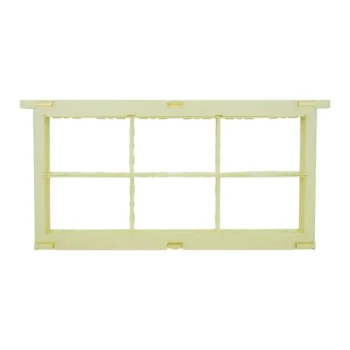
- Professional 500g Sectional Comb Honey Frame System for Beekeeping
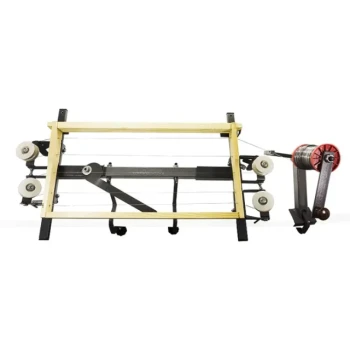
- Professional Bee Frame Wiring Tool with Integrated Tensioning System by HONESTBEE
- Durable Plastic Frame Spacer
- JZBZ Langstroth Queen Rearing Frame for Beekeeping
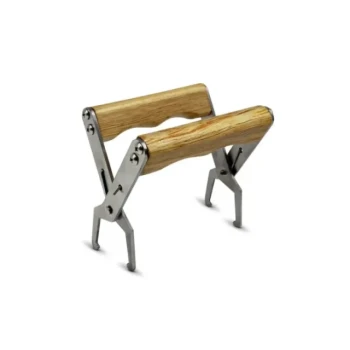
- Premium Frame Grip with Ergonomic Wood Handles
People Also Ask
- How are honeybee combs utilized for non-destructive colony monitoring? Master Population Density Tracking
- What frame to use for honeycomb? Choose the Right System for Pure, Edible Comb
- What is a honeycomb frame? The Key to Modern, Sustainable Beekeeping
- What is the technical purpose of exchanging honeycomb frames? Master Apiary Equalization for Growth
- What is the significance of sampling honeycomb frames and hive bottoms? A Guide to Scientific Sanitation Monitoring