Specialized beekeeping tools and modern hive systems maintain the purity of mono-floral honey primarily by allowing the precise isolation of nectar sources during distinct flowering periods. Through the use of efficient bee-clearing devices, mobile hive hardware, and dedicated extraction equipment, beekeepers can physically separate harvests to prevent the mixing of different nectar varieties.
Core Takeaway: The integrity of mono-floral honey relies on strict temporal and spatial control. Modern equipment transforms beekeeping from a passive collection process into a precision operation, ensuring that specific floral profiles—like acacia or sourwood—are captured without cross-contamination from other botanical sources.
Precision in the Field: Controlling the Source
Migratory Capability and Placement
Modern beekeeping relies heavily on modular and mobile hive systems. These allow commercial apiaries to engage in migratory beekeeping, placing colonies in specific geographical locations exactly when target blooms, such as citrus or eucalyptus, are at their peak.
By moving the "factory" to the resource, beekeepers maximize the intake of the desired nectar. This reduces the likelihood of bees foraging on non-target wildflowers, which would dilute the specific flavor profile.
Timing and Hive Management
To preserve purity, beekeepers must manage the hive volume precisely. This often involves removing "supers" (honey storage boxes) containing darker, earlier-season honey—like tulip poplar—before the bees begin collecting lighter varieties like sourwood.
Tools such as local nectar flow charts help determine these critical cut-off points. Furthermore, efficient bee-clearing equipment allows for the rapid removal of honey frames at the exact end of a flow, minimizing the window for cross-contamination.
Purity in the Extraction House
Segregated Extraction Lines
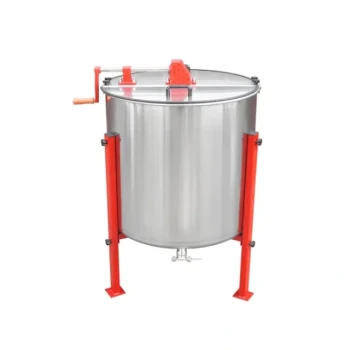
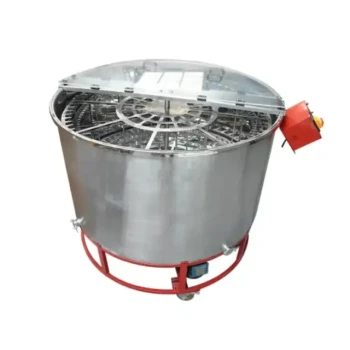
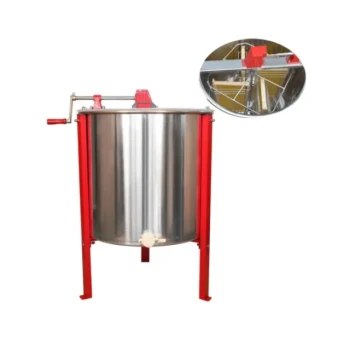
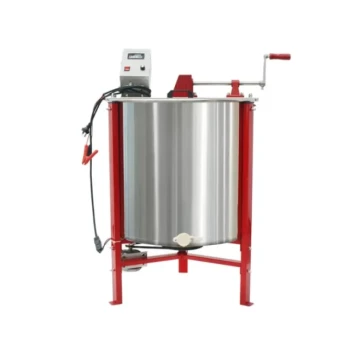
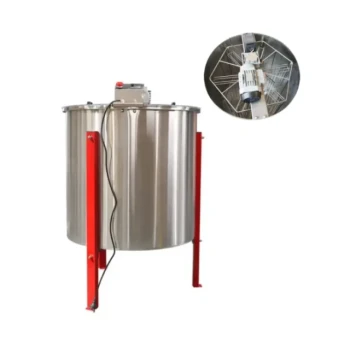
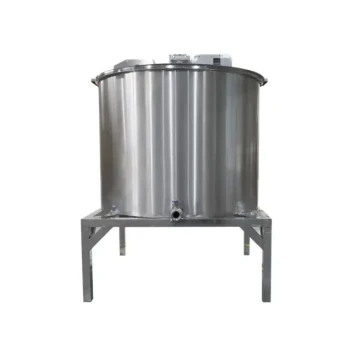
Once the frames leave the field, the risk of mixing remains high. Specialized extraction and separation equipment allow beekeepers to process different batches independently.
By isolating the extraction lines, producers ensure that the residues from a previous harvest do not compromise the sensory properties of a high-value mono-floral batch, such as acacia.
Hygiene and Filtration
Industrial-grade processing machines are designed to maintain high hygiene standards while stabilizing the honey's physical properties.
Precision filtration equipment plays a vital role here. Using screens with specific pore sizes, this machinery removes water-insoluble impurities like wax fragments, bee remains, and pollen clumps.
This process ensures the honey meets international trade purity requirements without stripping away the unique biological characteristics that define the variety.
Verification: The Science of Authenticity
Pollen Analysis and Origin Tracking
Maintaining quality is also about verification. Professional sampling tools allow for the in-depth analysis of pollen composition within the final product.
By measuring physicochemical indicators and pollen ratios, beekeepers can scientifically define the botanical source of the honey. This data-driven approach validates the efficacy of the isolation methods used in the field.
Understanding the Trade-offs
The Balance of Filtration
While filtration is necessary for hygiene and shelf stability, there is a delicate balance to maintain. Over-filtration can remove the microscopic pollen grains required to verify the honey's botanical origin.
If the filtration is too aggressive, the product may look cleaner but lose the "fingerprint" that proves it is truly mono-floral.
Complexity of Management
Achieving high purity requires rigorous management. The logistical challenge of moving mobile hives and the labor required to swap supers precisely when nectar flows change increases operational costs.
Missing a harvest window by even a few days can result in a mixed-floral product, significantly lowering its market value compared to a pure varietal.
Making the Right Choice for Your Goal
To achieve high-quality mono-floral honey, your strategy must align with your specific operational scale and market targets.
- If your primary focus is Flavor Fidelity: Prioritize mobile hive systems and strict harvest timing to capture the nectar flow at its absolute peak.
- If your primary focus is Commercial Export: Invest in precision filtration and industrial filling systems to ensure hygiene compliance and physical stability.
- If your primary focus is Market Validation: Utilize professional sampling and pollen analysis tools to scientifically prove your product's geographical and botanical origin.
True mono-floral quality is not an accident of nature, but the result of disciplined timing and precise mechanical intervention.
Summary Table:
| System/Tool Type | Function for Mono-floral Purity | Impact on Quality |
|---|---|---|
| Mobile Hive Systems | Migratory placement at peak nectar flows | Minimizes cross-contamination with non-target nectar |
| Bee-Clearing Devices | Rapid harvesting at the end of specific flows | Ensures strict temporal separation of honey batches |
| Precision Filtration | Removal of wax and insoluble impurities | Enhances clarity while preserving botanical fingerprints |
| Segregated Lines | Independent processing of floral batches | Prevents flavor mixing during extraction and filling |
| Pollen Analysis Tools | Scientific verification of botanical origin | Validates authenticity for high-value market export |
Elevate Your Honey Production with HONESTBEE
Maximize the value of your harvests with professional-grade equipment designed for purity. HONESTBEE specializes in supporting commercial apiaries and distributors with a comprehensive wholesale range, including:
- Advanced Machinery: Hive-making and honey-filling machines for precision operations.
- Professional Tools: A full spectrum of beekeeping hardware and essential consumables.
- Scalable Solutions: Specialized equipment tailored for large-scale mono-floral production.
Ready to enhance your apiary's efficiency and product quality? Contact HONESTBEE today to explore our wholesale offerings and discover how we can help you deliver premium honey to the global market.
References
- Kristina Brščić, Danijela Poljuha. An empirical examination of consumer preferences for honey in Croatia. DOI: 10.1080/00036846.2017.1352079
This article is also based on technical information from HonestBee Knowledge Base .
Related Products
- HONESTBEE 2 Frame Manual Acrylic Honey Extractor Beekeeping Equipment
- 6 Frame Manual Stainless Steel Honey Extractor Beekeeping Equipment
- HONESTBEE 3-Frame Manual Acrylic Honey Extractor
- Stainless Steel 3 Frame Manual Honey Extractor Spinner for Bee Honey Extraction
- Manual Hand Crank 4 Frame Honey Extractor Centrifuge for Beekeeping
People Also Ask
- How do you manually extract honey? Choose the Best Method for Your Hive
- Which type of honey extractor is generally more durable? Focus on Material & Build Quality for Longevity
- Why are manual extractors popular among beginner beekeepers? A Guide to Starting Simple & Saving Money
- What are the disadvantages of a manual honey extractor? Overcome Efficiency Bottlenecks in Your Apiary
- What is a manual honey extractor? The Essential Guide to Cost-Effective Beekeeping for Beginners