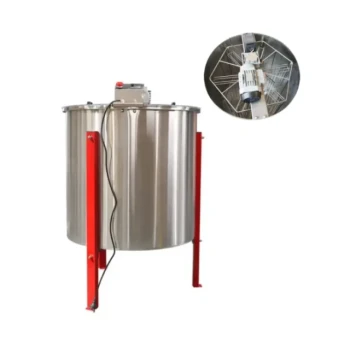
Modern honey harvesting techniques transform beekeeping by shifting the focus from simple extraction to colony preservation and product purity. The primary advantages lie in using specialized machinery, such as centrifugal extractors and standardized frames, to harvest honey without destroying the honeycomb or harming the brood, thereby ensuring higher yields and superior hygiene.
The core shift is from extraction-by-destruction to extraction-by-preservation. By maintaining the physical integrity of the hive during harvest, modern methods drastically reduce the energy burden on bees, protect the colony's future, and produce a contaminant-free product that is highly competitive in the market.
Preserving the Colony's Physical Foundation
The most significant advantage of modern machinery is its non-destructive nature. Traditional methods often require the removal or crushing of combs, which can devastate the colony's infrastructure.
Maintaining Honeycomb Integrity
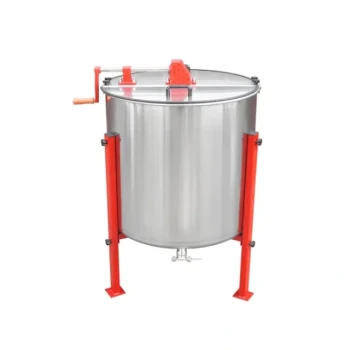
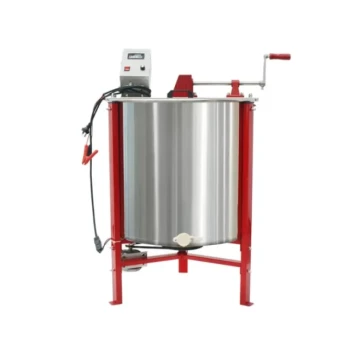
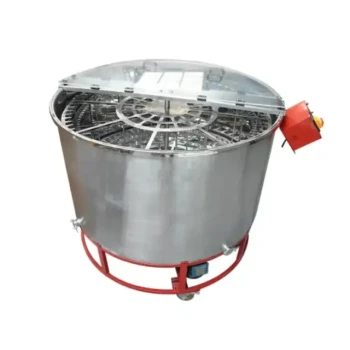
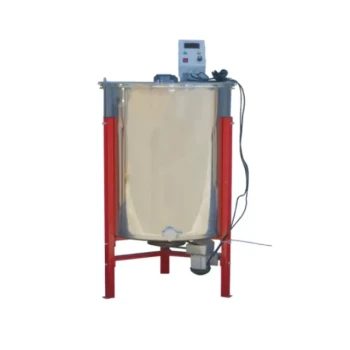
Modern centrifugal extractors utilize centrifugal force to pull honey from the cells without crushing the wax structure. Because the combs remain intact, they can be immediately returned to the hive for reuse.
Protecting the Brood
Scientific harvesting techniques allow for the extraction of honey stores while leaving the brood (larvae) undisturbed. In contrast, traditional harvesting often destroys the brood along with the honey, severely weakening the colony and frequently causing the bees to abscond (abandon the hive).
Accelerating Recovery
By preserving the hive's physical foundation, the colony does not need to waste time rebuilding. This allows the bees to recover quickly after harvest and resume production immediately, ensuring the sustainability of the apiary.
Maximizing Efficiency and Yield
Modern equipment does not just harvest honey; it optimizes the energy economy of the beehive.
Reducing Energy Waste
Bees consume a significant amount of energy and honey to secrete wax and build combs. By returning intact empty combs to the hive, modern methods save the bees this energy, allowing them to focus entirely on foraging and honey production.
Stabilizing Production
The use of modern hives with standardized, removable frames allows for better management and consistent output. In forest environments, these methods can stabilize production at 6 to 8 kilograms per hive, offering a predictable and improved yield compared to erratic traditional results.
Precise Management
Standardized frames allow beekeepers to perform phenological monitoring and accurate yield statistics. This data-driven approach enables precise management decisions that traditional hives cannot support.
Enhancing Product Quality and Marketability
Machinery plays a critical role in ensuring the final product meets commercial standards for hygiene and stability.
Eliminating Impurities
Traditional crushing methods often result in honey contaminated with wax debris, pollen, and larval fluids. Industrial filtration clears these impurities physically, ensuring high clarity and commercial consistency without damaging the honey's natural bioactivity.
Preventing Spoilage
Mechanized extraction significantly reduces moisture absorption and limits the presence of fermentation-causing impurities. This prevents spoilage, thereby improving the commercial grade and shelf life of the final product.
Ensuring Hygienic Extraction
Modern processes minimize human contact and environmental exposure. This reduces the risk of adulteration or contamination during the harvesting stage, making the honey safer and more attractive to consumers.
The Hidden Costs of Traditional Methods
To understand the value of modern machinery, one must recognize the inherent "taxes" levied by traditional methods.
The "Destruction Tax"
Traditional harvesting is often a "one-step forward, two-steps back" process. Every harvest forces the colony to restart its infrastructure building from scratch, making high-volume commercial production impossible.
Quality Instability
Without centrifugal separation and filtration, traditional honey quality varies wildly. The inclusion of high levels of wax and pollen leads to faster crystallization and potential fermentation, rendering the product unsuitable for high-end markets.
Making the Right Choice for Your Goal
Modern techniques are not just about speed; they are about control and sustainability.
- If your primary focus is Maximizing Yield: Utilize centrifugal extractors to preserve drawn combs, saving bees the energy required for wax production and redirecting it toward honey accumulation.
- If your primary focus is Product Quality: Invest in industrial filtration and moisture control systems to eliminate impurities and fermentation risks, ensuring a shelf-stable, clear product.
- If your primary focus is Colony Sustainability: Adopt scientific harvesting methods that leave the brood nest untouched to prevent colony weakening and absconding.
Adopting modern harvesting machinery is an investment in the biology of the bee, resulting in a sustainable cycle where higher colony health directly drives higher commercial profitability.
Summary Table:
| Feature | Traditional Harvesting | Modern Harvesting (Machinery-Driven) |
|---|---|---|
| Comb Handling | Crushed/Destroyed | Preserved via Centrifugal Force |
| Colony Impact | High Stress/Brood Damage | Minimal Stress/Brood Protected |
| Yield Stability | Erratic/Lower | High (6-8kg per hive in forests) |
| Product Purity | High Impurities (Wax/Larvae) | High Clarity & Contaminant-Free |
| Recovery Time | Long (Must rebuild wax) | Instant (Immediate foraging) |
| Shelf Life | Short (Risk of fermentation) | Long (Stable moisture/filtration) |
Elevate Your Apiary's Efficiency with HONESTBEE
Transitioning from traditional methods to modern efficiency requires the right tools. HONESTBEE specializes in supporting commercial apiaries and distributors with a comprehensive range of professional beekeeping machinery and equipment.
Whether you need specialized hive-making machines, high-capacity honey-filling lines, or essential industry consumables, we provide the hardware necessary to preserve your colonies and maximize your market competitiveness.
Ready to scale your honey production? Contact us today to explore our wholesale offerings and discover how our expertise can streamline your operations.
References
- Dimelu Mabel Ukamaka, Nwuba Loveth Eberechukwu. Indigenous climate change adaptation strategies used by Honey Producers in rural communities of Enugu State, Nigeria. DOI: 10.4314/jae.v22i2.16
This article is also based on technical information from HonestBee Knowledge Base .
Related Products
- Stainless Steel Manual 8 Frame Radial Honey Extractor Machine for Beehives
- 6 Frame Manual Stainless Steel Honey Extractor Beekeeping Equipment
- Fully Automatic Honey Filling Packaging Machine for Processing Line
- Economy Small Honey Filling Machine Honey Bottle Filler Packaging Machine
- HONESTBEE 6 Frame Three Use Electric Honey Extractor for Beekeeping
People Also Ask
- What types of beehive frames are compatible with honey extractor machines? Find the Perfect Match for Your Apiary
- Which type of honey extractor is generally more durable? Focus on Material & Build Quality for Longevity
- What are the key features and benefits of a stainless steel honey extractor? Upgrade to Professional Purity
- Why are manual extractors popular among beginner beekeepers? A Guide to Starting Simple & Saving Money
- What are the disadvantages of a manual honey extractor? Overcome Efficiency Bottlenecks in Your Apiary