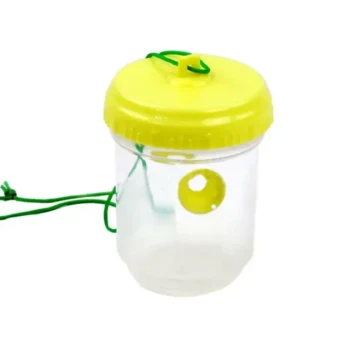
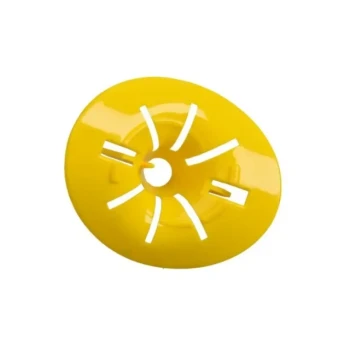
Pollen traps primarily differ based on their mounting location and compatibility with hive dimensions. The most distinct types available to beekeepers include entrance pollen traps, specialized wooden bee hive pollen traps, and specific configurations designed as 10-8 frame entrance pollen traps. These devices vary significantly in how they attach to the apiary equipment and their capacity for storage.
While designs range from simple front-mounted units to integrated wooden bottom boards, all traps function by forcing foragers through a grid to dislodge pollen pellets. Your choice should depend on the balance between storage capacity and the ease of removing the device.
Categorizing Trap Types
Entrance Pollen Traps
These units are fastened directly to the front of the hive, covering the existing entrance. They are a popular choice because they are easily removable and typically use less material than other styles.
However, because they hang off the front of the hive, their storage capacity is smaller. They require frequent emptying to prevent spoilage or overflow.
Wooden Bee Hive and Bottom Traps
These traps are substantial pieces of equipment that often replace the hive's standard bottom board. They are housed within a standard hive body structure.
The primary advantage of this style is larger storage capacity. They are designed for beekeepers who prioritize volume and sturdiness over portability.
10-Frame and 8-Frame Compatibility
When selecting entrance traps, you will encounter options labeled as 10-8 frame entrance pollen traps.
This specification refers to the width of the trap. It ensures the device matches the standard dimensions of your Langstroth equipment (whether you run 10-frame or 8-frame boxes) to create a proper seal.
Mechanics and Design Variations
Mounting Configurations
Beyond the standard front and bottom options, traps are available in various designs including top-mounted, side-opening, and back-opening models.
Materials vary as well. While the structural body is often wood or plastic, the stripping mechanism—the part the bees crawl through—is typically made of wire mesh or a plastic grid.
Traffic Flow Mechanisms
Advanced traps feature cones that allow bees (including drones and queens) to exit the hive unrestricted.
To re-enter, the bees must crawl through small holes sized specifically to strip pollen pellets from their legs. Simpler, less expensive traps may lack these exit cones, requiring bees to work harder to both enter and exit through the same stripping grid.
Understanding the Trade-offs
The Necessity of a Snug Fit
For an entrance trap to be effective, it requires a very snug fit.
If there are gaps between the trap and the hive body, intelligent foragers will quickly find the path of least resistance. This bypasses the stripping grid entirely, rendering the trap useless.
Efficiency Limits
No trap captures 100% of the pollen, nor should it. Effectiveness varies based on the size of the grid openings and the pollen pellets.
Typically, these devices collect between 30% and 70% of the pollen brought back. This ensures the colony retains enough protein for brood rearing, provided the trap is not left on indefinitely.
Making the Right Choice for Your Apiary
Select a trap based on how often you intend to harvest and your specific equipment setup.
- If your primary focus is flexibility and low cost: Choose entrance pollen traps (sized for 10 or 8 frames), as they can be quickly installed or removed during peak flows.
- If your primary focus is maximum yield and storage: Opt for wooden bottom-mounted traps, which offer larger collection drawers and require less frequent maintenance.
The most effective trap is one that fits your equipment perfectly to prevent leaks while allowing efficient traffic flow for your foragers.
Summary Table:
| Trap Type | Mounting Location | Storage Capacity | Key Benefit |
|---|---|---|---|
| Entrance Trap | Front of Hive | Small | Easy to install and remove quickly |
| Wooden Bottom Trap | Hive Base | Large | High yield; replaces standard bottom board |
| 10-8 Frame Trap | Front Entrance | Small/Medium | Guaranteed fit for Langstroth equipment |
| Top/Side/Back Trap | Various Positions | Varies | Specialized access for unique hive setups |
Maximize Your Harvest with HONESTBEE Beekeeping Solutions
At HONESTBEE, we specialize in empowering commercial apiaries and distributors with high-performance equipment. Whether you need precision-fit pollen traps, specialized hive-making machinery, or honey-filling systems, our comprehensive wholesale range is designed for durability and efficiency.
Our value to you:
- Comprehensive Supply: From essential consumables to heavy-duty machinery.
- Scalable Solutions: Catering specifically to the needs of large-scale beekeeping operations.
- Industry Expertise: Quality-tested gear that ensures a perfect fit for your Langstroth equipment.
Ready to upgrade your production? Contact us today to explore our wholesale catalog and see how we can streamline your honey and pollen operations!
Related Products
- Removable Plastic Pollen Trap With Ventilated Tray for Bees Pollen Collector
- 30 cm Plastic Entrance Hole Bee Pollen Trap and Collector
- Plastic Bee Pollen Trap Strips Comb Catcher Collector
- High-Efficiency Diamond Maze Bee Escape for Clearing Supers
- Professional Bucket Style Wasp and Moth Pheromone Trap
People Also Ask
- What are the design principles and advantages of pollen traps in the collection of bee pollen? Boost Your Apiary Yield
- What is the function of professional pollen traps in evaluating honey plants? Quantifying Pollination and Crop Potential
- What functions do pollen traps serve for bee bread production? Optimize Your Raw Material Collection
- What maintenance and pest prevention measures should be taken for pollen traps? Protect Your Hive and Harvest Quality
- How does the use of pollen traps in honeybee hives enhance crop fertilization? Boost Your Yield Through Induced Activity