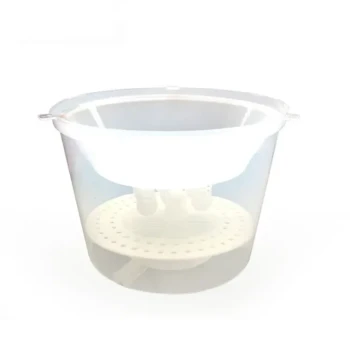
The design of a Low-bottom pollen trap significantly compromises pollen stability by exposing the harvest to elevated humidity levels. Because these traps are typically installed approximately 15cm from the hive floor, they suffer from restricted ventilation and close proximity to moisture sources at the bottom of the hive. This environment leads to higher moisture content in the collected pollen, creating ideal conditions for the proliferation of fungi, specifically Fusarium, unless harvested frequently.
Core Takeaway While effective for collection, the placement of a Low-bottom trap creates a microclimate that accelerates spoilage. To maintain pollen quality and prevent fungal degradation, these traps require significantly shorter collection intervals compared to designs that offer better ventilation or higher placement.
The Impact of Physical Placement
The fundamental issue with Low-bottom pollen traps is not the stripping mechanism itself, but where that mechanism is located relative to the hive's environment.
Proximity to Moisture Sources
The trap is positioned roughly 15cm from the hive floor. This low elevation places the collection tray dangerously close to ground moisture and the natural dampness that accumulates at the bottom of a colony.
Restricted Airflow
Unlike traps positioned higher up, the Low-bottom design often suffers from restricted ventilation. Without adequate air circulation to pass over the collection tray, the pollen pellets cannot release their initial moisture, keeping them in a damp state.
Biological Consequences
The physical environment created by the trap's design directly alters the biological composition of the harvest.
Elevated Moisture Content
Due to the poor ventilation and proximity to the hive floor, the pollen retains water. High moisture content is the primary enemy of pollen preservation, as it keeps the biological material active and vulnerable.
Fungal Colonization
The combination of humidity and organic matter creates a breeding ground for pathogens. Specifically, these conditions facilitate the growth of fungi such as Fusarium. This contamination compromises the sanitary standards of the raw pollen and can render it unsuitable for consumption or deep processing.
Understanding the Trade-offs
When selecting a pollen trap, it is vital to weigh the mechanical efficiency of the collection against the hygiene risks inherent in the design.
Hygiene vs. Convenience
Low-bottom traps may offer specific mechanical benefits, but they lack the hygiene advantages of Wall Traps. Wall traps are positioned higher, preventing ground dust and hive debris from entering the mix, resulting in a naturally lower microbial load.
Operational Demands
The design of the Low-bottom trap imposes a strict operational requirement: speed. Because the environment in the tray encourages rapid fungal growth, the collection intervals must be shortened. You cannot leave pollen in a Low-bottom trap for extended periods without risking significant degradation.
Making the Right Choice for Your Goal
Your choice of equipment dictates your management schedule. Here is how to proceed based on your objectives:
- If your primary focus is preventing fungal growth: Prioritize traps with higher placement (like Wall Traps) or industrial designs with dry collection trays to maximize ventilation and reduce microbial load.
- If your primary focus is using existing Low-bottom equipment: You must implement a strict, high-frequency collection schedule to remove pollen before moisture allows Fusarium to establish.
Success with Low-bottom traps relies less on the hardware and more on your commitment to rapid harvesting.
Summary Table:
| Feature | Low-bottom Pollen Trap Impact | Effect on Quality |
|---|---|---|
| Installation Height | Approx. 15cm from hive floor | Increased exposure to ground moisture |
| Ventilation Level | Restricted airflow | Higher pollen moisture content |
| Microbial Risk | High humidity microclimate | Promotes growth of fungi like Fusarium |
| Collection Frequency | Requires short intervals | Essential to prevent rapid spoilage |
| Hygienic Comparison | Lower than Wall Traps | Higher risk of debris and microbial load |
Upgrade Your Apiary with Professional Solutions from HONESTBEE
Maintaining the purity and safety of your harvest is paramount for commercial success. At HONESTBEE, we specialize in supporting commercial apiaries and distributors with high-performance beekeeping tools and machinery. Whether you need advanced pollen collection systems, specialized hive-making hardware, or efficient honey-filling machines, our comprehensive wholesale offering is designed to scale your operations.
Don't let poor equipment design compromise your product quality. Partner with HONESTBEE to access premium industrial consumables and honey-themed cultural merchandise that set your brand apart.
Contact us today to explore our wholesale catalog!
References
- Jolanta Sinkevičienė, Algirdas Amšiejus. Mycobiota in bee pollen collected by different types of traps. DOI: 10.13080/z-a.2019.106.048
This article is also based on technical information from HonestBee Knowledge Base .
Related Products
- 30 cm Plastic Entrance Hole Bee Pollen Trap and Collector
- Removable Plastic Pollen Trap With Ventilated Tray for Bees Pollen Collector
- Plastic Bee Pollen Trap Strips Comb Catcher Collector
- High-Efficiency Diamond Maze Bee Escape for Clearing Supers
- Plastic Beetle Blaster Trap Beekeeping Tools and Supplies
People Also Ask
- What are the design principles and advantages of pollen traps in the collection of bee pollen? Boost Your Apiary Yield
- Why is frequent harvesting of bee pollen from traps necessary for quality control? Ensure Freshness and Prevent Mold.
- How often should bee pollen be harvested from a trap and why? Master Freshness and Prevent Spoilage
- What function do pollen traps serve in quantitative collection? Boost Your Apiary's Data & Production Efficiency
- What is the primary function of bee pollen traps? Optimize Your Pollen Harvest with Advanced Extraction Efficiency