The selection of beekeeping glove materials is defined by a fundamental trade-off between physical protection and manual dexterity. While heavy leather provides a near-impenetrable barrier against stings, thinner materials like canvas or nitrile offer the tactile sensitivity required for high-precision hive inspections.
Success in the beekeeping supply market requires offering a diverse range of materials that cater to both novice hobbyists seeking confidence and commercial operators requiring efficiency. Balancing protection, flexibility, and durability is the key to a high-performing product portfolio.
Evaluating Leather and Goatskin Options
Maximum Protection with Cowhide Leather
Leather is the traditional choice for beekeepers dealing with aggressive colonies or performing heavy manual labor. Cowhide leather offers the highest level of sting resistance and long-term durability, making it a staple for any comprehensive inventory.
The thickness of the leather acts as a significant physical barrier, preventing stingers from reaching the skin. However, this thickness makes the gloves bulky and stiff, which can lead to accidental bee crushing during frame manipulation.
The Goatskin Alternative for Flexibility
Goatskin gloves are a premium alternative that offers a superior balance of protection and suppleness compared to cowhide. They are naturally thinner and more flexible, allowing the beekeeper to feel more of the hive equipment.
Because goatskin remains soft even after getting wet or sweaty, it is often the preferred choice for professional beekeepers. It provides excellent dexterity while still maintaining a high level of sting resistance.
Lightweight and Specialty Materials
Canvas and Cloth for High Breathability
Canvas gloves are frequently utilized for their lightweight properties and ease of movement. These are often preferred during routine inspections of calm hives where the risk of mass stings is low.
While they offer better breathability and flexibility than leather, they provide significantly less protection. A determined honeybee can often sting through the weave of lighter cloth materials.
Nitrile and Disposable Solutions
Nitrile exam gloves have gained popularity among experienced beekeepers who prioritize tactile feedback. They offer the highest degree of dexterity, allowing for precise movements like queen marking or grafting.
While nitrile provides a hygienic barrier and keeps hands clean, its sting protection is minimal. Many beekeepers use these as their primary glove but keep a pair of leather gloves nearby for when bees become defensive.
Rubber and Chemical Resistance
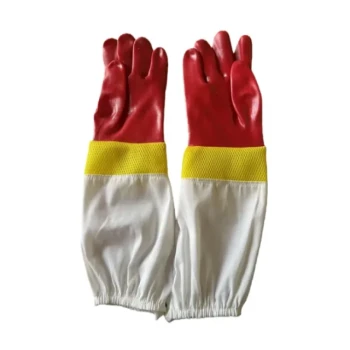
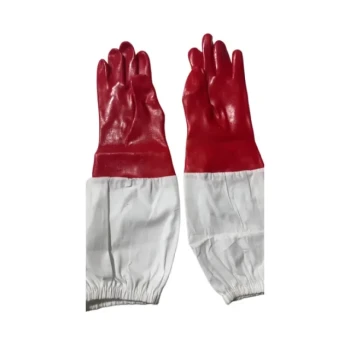
Rubber gloves are waterproof and resistant to most hive-related chemicals, making them useful for specific maintenance tasks. They provide solid sting protection, though they lack the "breathability" of other materials.
The primary disadvantage is that rubber can cause excessive sweating during extended use in the sun. This moisture buildup can become uncomfortable and may reduce the beekeeper's grip on heavy frames.
Understanding the Trade-offs and Pitfalls
Protection vs. Dexterity
The most common mistake is assuming that "thicker is always better." While thick gloves prevent stings, the resulting loss of dexterity often leads to clumsier movements that can actually agitate the bees.
The False Sense of Security
Gloves can provide a sense of confidence that allows a beekeeper to work more smoothly. However, over-reliance on heavy gear can lead to a lack of finesse, resulting in dead bees and a more defensive colony over time.
Maintenance and Hygiene
Leather gloves can be difficult to clean and may harbor alarm pheromones from previous stings if not properly maintained. Synthetic materials like nitrile or rubber are much easier to sanitize, reducing the risk of cross-contamination between apiaries.
Strategic Sourcing for Your Inventory
As a distributor or wholesaler, providing a full-spectrum product portfolio is essential for capturing the entire market. Our deep industry expertise allows us to facilitate rapid response times and efficient order fulfillment for all your sourcing needs.
- If your primary focus is the hobbyist market: Prioritize goatskin and high-quality leather to provide the confidence and protection new beekeepers demand.
- If your primary focus is commercial operations: Stock bulk nitrile and lightweight canvas options that prioritize speed, dexterity, and ease of replacement.
- If your primary focus is one-stop sourcing: Ensure your inventory includes a mix of all materials, supported by our ultra-fast delivery and expert trading services.
By aligning your material offerings with the specific needs of your clients, you ensure a safer and more productive experience for beekeepers at every skill level.
Summary Table:
| Material | Primary Advantage | Primary Disadvantage | Best For |
|---|---|---|---|
| Cowhide Leather | Maximum sting protection | Bulky; low manual dexterity | Novice beekeepers & aggressive hives |
| Goatskin | Soft, flexible, and durable | More expensive than cowhide | Professional beekeepers & long-term use |
| Canvas / Cloth | Lightweight and breathable | Minimal sting protection | Routine inspections of calm colonies |
| Nitrile | Maximum tactile sensitivity | No protection against stings | Queen marking, grafting, and hygiene |
| Rubber | Waterproof; chemical resistant | Causes excessive sweating | Hive maintenance & chemical handling |
Partner with HONESTBEE for Premium Beekeeping Supplies
Elevate your product offerings with HONESTBEE, your dedicated partner for one-stop sourcing. We cater specifically to commercial apiaries and B2B distributors, providing a comprehensive full-spectrum portfolio of beekeeping tools, machinery, and essential consumables.
Why choose HONESTBEE?
- Maximize Profit Margins: High-quality wholesale offerings designed for competitive resale.
- Expertise & Customization: Deep professional industry expertise with robust OEM/ODM support to build your brand.
- Operational Efficiency: Rapid response times, ultra-fast delivery, and reliable order fulfillment.
- Comprehensive Inventory: From specialized hive-making machines to premium protective gear like goatskin gloves.
Contact HONESTBEE Today to streamline your supply chain and grow your business with a trusted industry leader!
Related Products
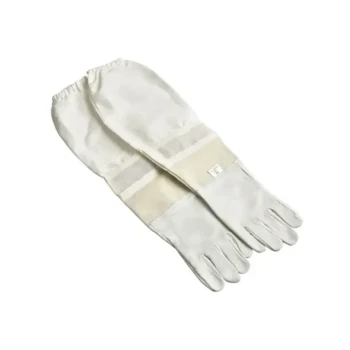
- Beekeeping Gloves Goatskin Leather with Long Cotton Sleeve for Beekeepers
- Heavy Duty Red Rubber Beekeeping Gloves with Vented Mesh Cotton Sleeves
- Heavy Duty Red Rubber Beekeeping Gloves with Extended Pure Cotton Sleeves for Beekeepers
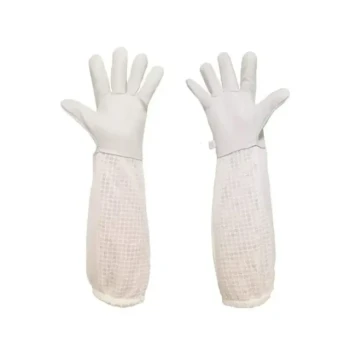
- Goatskin Leather Beekeeper Gloves with Vent Long Sleeve for Beekeeping Honey Bee Sting Proof Protection
- Premium Ventilated Goatskin Beekeeping Gloves with Full 3-Layer Mesh Sleeve
People Also Ask
- What are the characteristics of the best gloves for beekeeping? Choose Protection & Dexterity
- What are the primary purposes of using beekeeping gloves? Protect Your Hands and Ensure Apiary Hygiene
- What types of gloves are available for beekeeping? Choose the Right Protection for Your Hive
- Why is it important for beekeepers to wear gloves? Essential Safety and Confidence for Hive Management
- Why do some experienced beekeepers opt not to wear gloves? Discover the Benefits of Tactile Precision