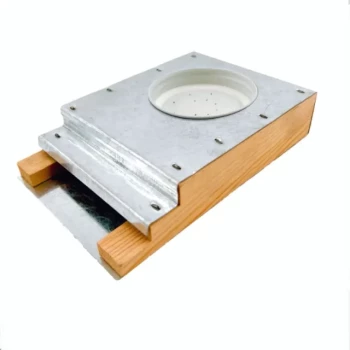
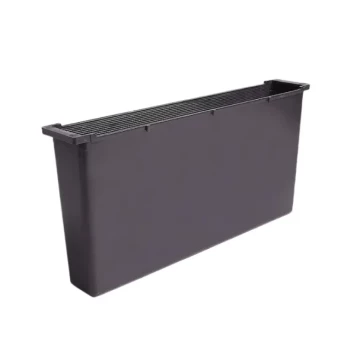
The primary advantages of a top feeder’s design lie in its non-intrusive accessibility and simple structural integrity. These feeders allow you to replenish syrup supplies by simply removing the hive's outer cover, eliminating the need to dismantle the hive or disturb the colony, while their open reservoir architecture prevents the vacuum-related leaks common in other designs.
Top feeders address the two most critical friction points in apiary management: disruption and sanitation. By separating the feeding mechanism from the brood nest and relying on a simple open reservoir, they offer a maintenance-free solution that protects the colony from both stress and messy, dangerous leaks.
Streamlined Filling Operations
Minimizing Colony Disturbance
The standout feature of a top feeder is its location at the very top of the hive stack. To refill it, you only need to remove the outer lid and inner cover.
This is a significant advantage over frame feeders or boardman feeders, which often require opening the brood boxes. By keeping the hive body closed, you maintain the colony's internal temperature and prevent agitating the bees.
Reducing Spills and Robbing
The wide, open design of the reservoir acts as a generous target for pouring syrup. This minimizes the risk of splashing or spilling sugar water on the exterior of the hive.
External spills are a primary trigger for robbing—where bees from other hives attack to steal resources. By keeping the filling process contained and mess-free, the top feeder design acts as a passive defense measure.
Maintenance and Reliability
Eliminating Temperature-Induced Leaks
Unlike inverted jars or buckets, top feeders do not rely on a vacuum seal or gravity to dispense liquid. Gravity feeders often leak when temperature fluctuations cause the air inside the container to expand or contract, breaking the vacuum.
Top feeders simply hold the liquid in a basin. This makes them immune to pressure changes caused by the weather, ensuring the syrup stays in the feeder rather than dripping down onto the cluster.
Simplified Cleaning Protocol
Maintenance for these feeders is straightforward because of their lack of complex parts. When the feeding season concludes, the maintenance requirement is minimal.
You simply remove the unit, rinse the syrup reservoir, and allow it to dry. There are no narrow tubes or intricate valves that require specialized scrubbing or that risk getting clogged by crystallized sugar.
Common Pitfalls to Avoid
The Importance of Leveling
While the open reservoir design prevents vacuum leaks, it introduces a physical constraint: gravity. For a top feeder to function without pooling syrup in one corner—or spilling over into the hive—your hive stand must be perfectly level.
Handling Heavy Loads
The "well-built," sturdy construction mentioned in industry standards often means these feeders have large capacities (up to three gallons). While beneficial for infrequent filling, a full feeder is heavy and cumbersome to move if you need to access the frames below it before it is empty.
Making the Right Choice for Your Goal
To determine if a top feeder fits your management style, consider your specific apiary challenges:
- If your primary focus is distant apiary management: The large capacity and spill-proof design allow for infrequent, high-volume trips without worrying about leaks while you are away.
- If your primary focus is rapid weight gain (Fall feeding): The wide access area allows the colony to consume large quantities of syrup quickly to build stores before winter.
A top feeder is the superior choice for beekeepers who prioritize efficiency and colony tranquility over equipment portability.
Summary Table:
| Feature | Top Feeder Advantage | Practical Benefit for Beekeepers |
|---|---|---|
| Filling Method | Open reservoir at the top of the hive stack | Refill syrup without opening brood boxes or disturbing bees |
| Leak Prevention | No vacuum seal; immune to pressure changes | Prevents syrup drips caused by temperature fluctuations |
| Sanitation | Simple basin structure with no narrow tubes | Easy to rinse and clean; prevents mold and sugar crystallization |
| Biosecurity | Contained filling process | Minimizes spills that trigger robbing behavior from other colonies |
| Capacity | High-volume storage (up to 3 gallons) | Reduces frequency of apiary visits for large-scale management |
Scale Your Apiary Operations with HONESTBEE
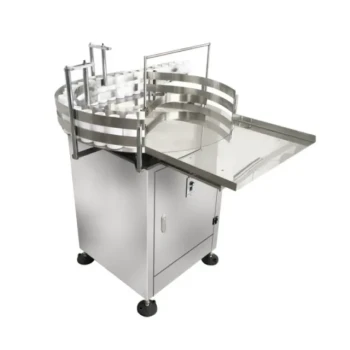
Are you looking to streamline your commercial beekeeping business? At HONESTBEE, we specialize in supporting commercial apiaries and distributors with high-quality, wholesale beekeeping solutions. From efficient top feeders and hive-making machinery to advanced honey-filling systems and essential consumables, we provide the tools you need to maximize productivity and colony health.
Why partner with us?
- Comprehensive Wholesale Catalog: Access a full spectrum of hardware and specialized machinery.
- Industry Expertise: We understand the unique needs of large-scale beekeeping and honey production.
- End-to-End Support: From hive hardware to honey-themed cultural merchandise, we help you grow your brand.
Ready to upgrade your equipment and optimize your workflow? Contact us today to discuss your wholesale requirements and see how our premium tools can benefit your apiary!
Related Products
- HONESTBEE Round Hive Top Bee Feeder for Syrup
- HONESTBEE Professional Hive Top Bee Feeder Feeding Solution
- Professional Hive Top Bee Feeder for Beekeeping
- HONESTBEE Square Top Hive Bee Feeder Top Bee Feeder
- Rapid Bee Feeder White Plastic 2L Round Top Feeder for 8 or 10-Frame Bee Hives
People Also Ask
- What can the round hive top feeder be used for? A Guide to Efficient, Safe Bee Feeding
- What is the capacity of the round hive top feeder for syrup and pollen? A Guide to Targeted Apiary Support
- What types of hive boxes is the round hive top feeder compatible with? Universal Fit for 8 & 10-Frame Langstroth Hives
- What types of feed can be used with the round hive top feeder? Versatile Feeding for Optimal Apiary Health
- How do you use a top feeder for bees? Expert Guide to Installation and High-Volume Hive Feeding