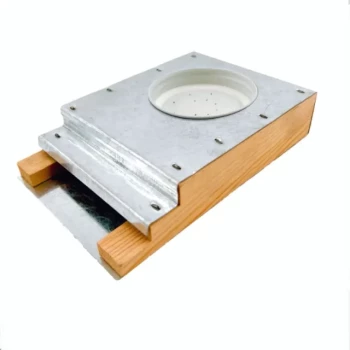
The primary advantages of this feeder design are its focus on safety, efficiency, and minimal hive disruption. It is engineered to be filled quickly and easily without bees escaping, it prevents the common problem of bees drowning in the feed, and it requires exposing very little of the hive during refills.
This design fundamentally solves two of the biggest challenges in feeding a colony: it protects the bees from harm (drowning) while protecting the beekeeper from agitated bees, making the entire process faster and safer for everyone involved.
Prioritizing Bee Safety and Hive Health
A feeder's most important job, beyond providing food, is to do no harm. This design excels by directly addressing common points of failure in other systems that can weaken a colony.
Minimizing Bee Drowning
One of the most frequent and preventable losses during feeding occurs when bees drown in the syrup. This is a common issue with open-style or poorly designed internal feeders.
This design eliminates or significantly minimizes that risk, ensuring the bees you are trying to help are not inadvertently harmed. Preserving every worker bee is critical for the colony's strength and productivity.
Reducing Hive Exposure and Stress
Opening a beehive is a disruptive event. It breaks the propolis seals the bees have created, releases carefully regulated heat and humidity, and puts the colony on defensive alert.
By requiring only minimal exposure to refill, this feeder keeps that disturbance to an absolute minimum. This reduces stress on the colony and allows them to maintain their internal environment more effectively.
Streamlining the Beekeeper's Workflow
Efficiency is key to successful hive management, whether you have one hive or one hundred. This feeder is built to make the beekeeper's job simpler and faster.
Preventing Bee Escape
A common point of anxiety for beekeepers is having bees fly out of the hive during inspections or feedings. This can lead to agitated, defensive bees and an increased risk of stings.
The ability to fill this feeder without bees escaping makes the process calmer and safer for the beekeeper. It allows you to perform the task quickly and confidently without needing to fully suit up every time.
Increasing Refill Speed
The design is explicitly engineered for speed. Being able to fill the feeder quickly means you spend less time with the hive open, compounding the benefit of minimal exposure.
For beekeepers managing multiple colonies, this efficiency is a massive advantage, turning a long chore into a much faster task.
Understanding the Trade-offs
While the cited advantages are significant, no single piece of equipment is perfect for every situation. As a technical advisor, I must point out that a complete evaluation always involves factors not mentioned here.
Considering Cost and Capacity
Designs that offer superior safety and convenience features may come at a higher initial cost than simpler bucket or frame feeders.
Evaluating Material and Durability
You should also assess the feeder's material and long-term durability. Consider how it will hold up to seasonal temperature changes, UV exposure, and the general wear and tear of hive management.
Making the Right Choice for Your Goal
Your specific needs as a beekeeper should guide your equipment choices.
- If your primary focus is safety and ease of use (especially as a new beekeeper): This design is ideal, as it minimizes bee agitation and contact during refills.
- If your primary focus is efficiency for managing multiple hives: The speed and simplicity of filling this feeder make it a superior choice for larger operations.
- If your primary focus is maximizing colony health and minimizing stress: The anti-drowning and minimal-exposure features directly support a stronger, less-disturbed colony.
This feeder design offers a thoughtful solution that enhances the well-being of the colony and the efficiency of the beekeeper.
Summary Table:
| Advantage | Key Benefit |
|---|---|
| Bee Safety | Minimizes bee drowning and reduces colony stress. |
| Beekeeper Safety | Prevents bee escape during refills, reducing stings. |
| Efficiency | Allows for quick, easy filling with minimal hive exposure. |
| Hive Health | Maintains internal hive environment by limiting disruption. |
Ready to enhance the safety and efficiency of your beekeeping operation?
HONESTBEE supplies high-quality, durable beekeeping supplies and equipment—including advanced feeders—through wholesale-focused operations to commercial apiaries and distributors. Our products are designed to support hive health and streamline your workflow, helping you manage your colonies more effectively and profitably.
Contact HONESTBEE today to discuss your wholesale needs and discover how our equipment can benefit your business.
Visual Guide
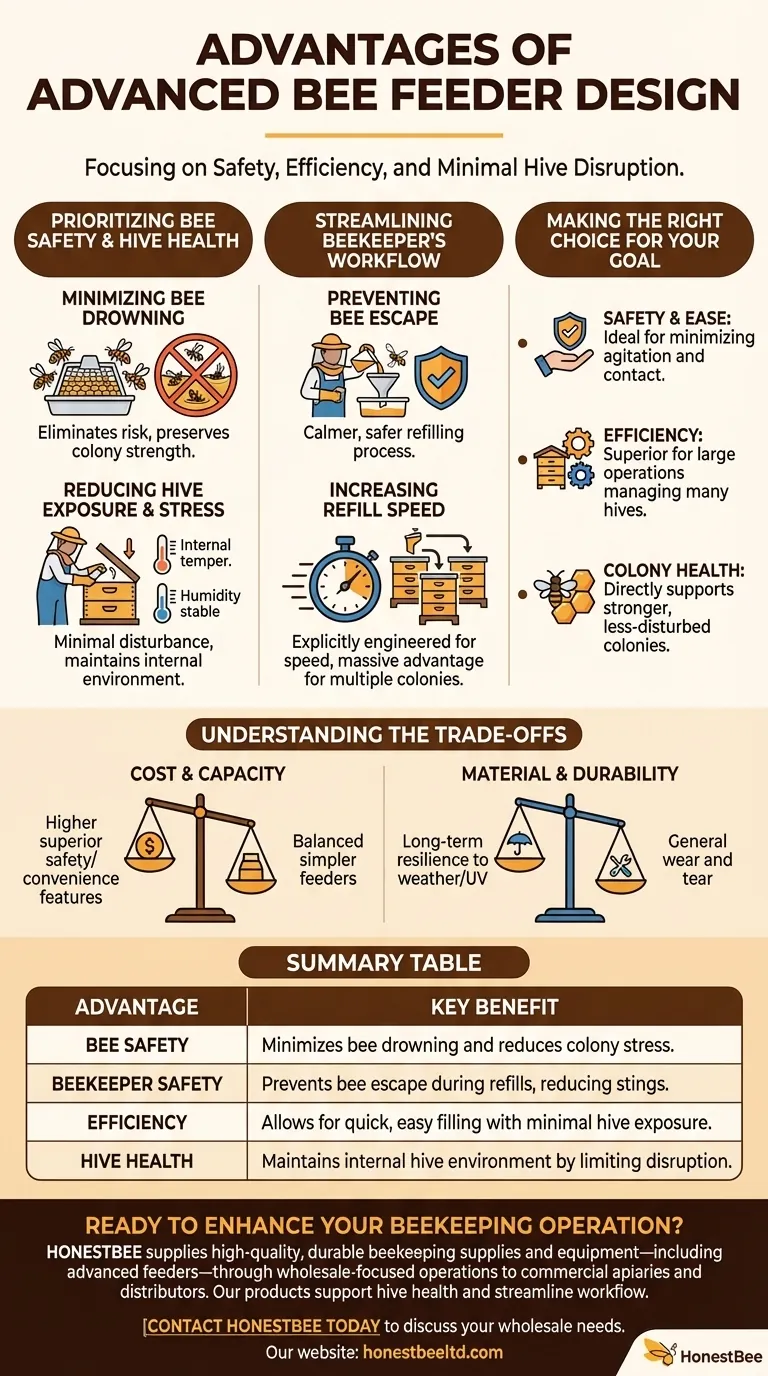
Related Products
- Rapid Bee Feeder White Plastic 2L Round Top Feeder for 8 or 10-Frame Bee Hives
- White Plastic 0.5L Beekeeping Entrance Feeder for Bees
- HONESTBEE Entrance Bee Feeder Professional Hive Nutrition Solution for Beekeeping
- HONESTBEE Professional Entrance Bee Feeder Hive Nutrition Solution
- Boardman Entrance Bee Feeder Durable Galvanized Steel and Wood Construction for Beekeeping
People Also Ask
- What should be done with feeders and equipment after feeding bees? Essential Steps for Apiary Health
- What should be done if feed in a feeder is not consumed by the bees? Prevent Hive Mold with Prompt Feed Management
- What is the necessity of specialized internal or entrance feeders? Secure Your Hive with Professional Feeding Tools
- How do bee feeders work to preserve colony health during nectar shortages? Essential Guide for Beekeepers
- How quickly does a medium to strong colony usually empty a feeder? A Beekeeper's Guide to Hive Health