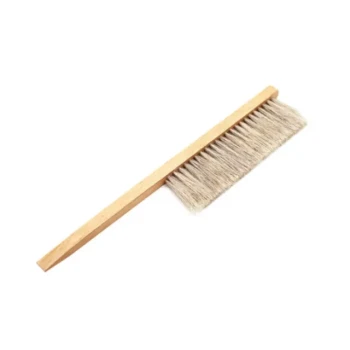
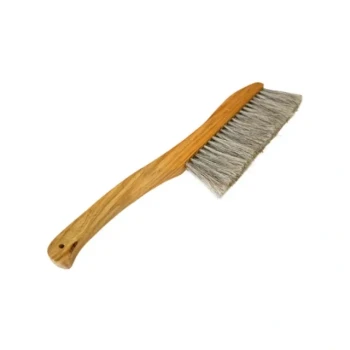
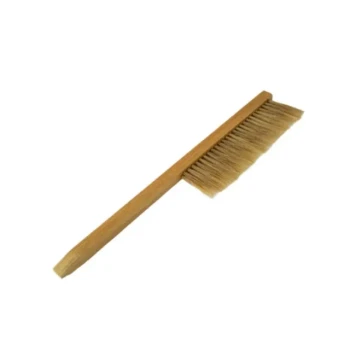
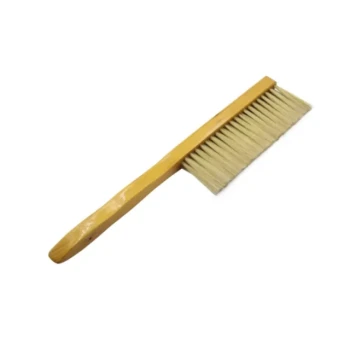
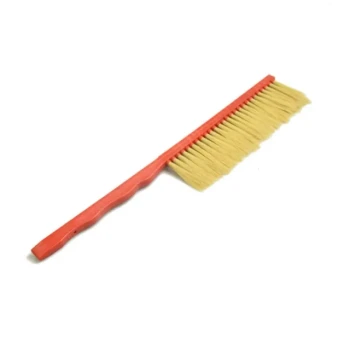
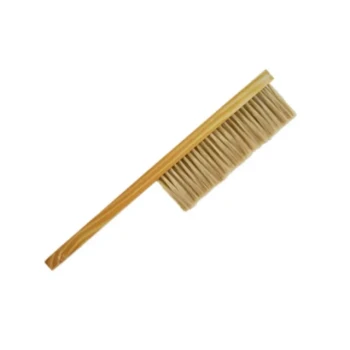
The primary advantage of natural horsehair bristles is their ability to prevent the buildup of static electricity. Unlike synthetic materials, horsehair does not generate a charge when used against frames or bees, resulting in a much gentler experience for the colony. Furthermore, these natural bristles tend to remain cleaner during use, accumulating less honey and propolis than other materials.
Natural horsehair strikes a critical balance in apiary management: it eliminates the static shocks that can enrage bees while remaining cleaner and more effective than synthetic counterparts.
Why Material Matters for Bee Safety
The Anti-Static Advantage
When working a hive, the friction caused by brushing can easily generate static electricity.
Synthetic brushes often exacerbate this issue, creating small shocks or static fields that can agitate the bees.
A brush with natural horsehair bristles prevents this buildup entirely. This results in a calmer colony and reduces the likelihood of stinging during inspections or harvesting.
Balancing Stiffness and Softness
Effective hive management requires a specific physical balance in your tools.
The bristles must be stiff enough to effectively dislodge bees that are clinging stubbornly to the frames.
However, they must simultaneously be soft enough to ensure the bees are moved without injury or death. Natural horsehair inherently provides this necessary dual-action texture.
Operational Efficiency
Resisting Sticky Buildup
Hive environments are inherently messy, filled with sticky substances like honey and propolis (bee glue).
A significant operational advantage of horsehair is that it tends to collect less of these substances compared to other brush materials.
This resistance to buildup keeps the brush lighter and easier to clean, preventing the bristles from becoming matted and ineffective during a long inspection.
Understanding the Limits
Tool vs. Technique
While horsehair offers superior material properties, it does not replace the need for careful technique.
The primary goal of any bee brush is to prevent injury to the bees, regardless of the material used.
Even with the gentle nature of horsehair, the user must apply the brush with a light hand to ensure bees are guided off the comb rather than crushed against it.
Making the Right Choice for Your Apiary
When selecting tools for your hive, consider your specific management priorities:
- If your primary focus is colony temperament: Choose horsehair to eliminate static electricity, which minimizes bee agitation and defensive behavior.
- If your primary focus is tool maintenance: Opt for horsehair because it resists the accumulation of honey and propolis, keeping your equipment cleaner for longer.
Using natural materials respects the delicate nature of the bees while ensuring your workflow remains efficient and clean.
Summary Table:
| Feature | Horsehair Bristles | Synthetic Bristles |
|---|---|---|
| Static Generation | None (Anti-static) | High (May agitate bees) |
| Bee Temperament | Calmer colony | Increased defensive behavior |
| Material Texture | Optimal stiffness & softness | Often too rigid or too flimsy |
| Debris Resistance | Low honey/propolis buildup | High sticky substance accumulation |
| Cleaning Needs | Infrequent/Easy | Frequent/Difficult |
Elevate Your Apiary Efficiency with HONESTBEE
Are you looking to supply your customers with professional-grade beekeeping tools that prioritize colony health? HONESTBEE specializes in serving commercial apiaries and distributors with a comprehensive wholesale selection.
Our portfolio includes everything from the natural horsehair bee brushes featured here to advanced honey-filling machines and hive-making equipment. We bring unmatched value to our partners through durable hardware and essential industry consumables designed for large-scale success.
Ready to upgrade your inventory or streamline your production?
Contact HONESTBEE today to discuss our wholesale solutions!
Related Products
- Wooden Bee Brush with Double-Row Horsehair Bristles
- Premium Triple-Row Horsehair Bee Brush
- Classic Wooden Bee Brush with Double-Row Boar Bristles
- Wooden Bee Brush with Triple Row Artificial Fiber for Beekeeping
- Plastic Handle Single Row Artificial Fiber Bee Brush
People Also Ask
- Why is a bee brush necessary when extracting honeybee hive frames that contain larvae? Protect Your Brood and Colony
- What is the correct way to use a bee brush and what actions should be avoided? Master Gentle Hive Management
- What are the specific functions of the bee brush and the sealed sampling bottle? Optimize Your Parasite Sampling.
- What is a bee brush and what is it used for? Master Precision Bee Removal with Gentle Sweeping Techniques
- What is a bee brush used for in beekeeping? Essential Tool for Safe Hive Inspections & Honey Harvesting