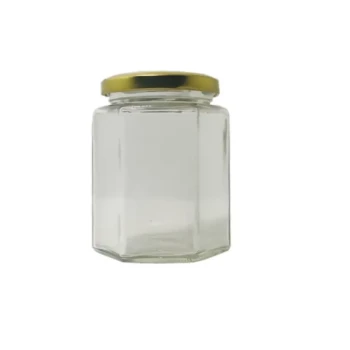
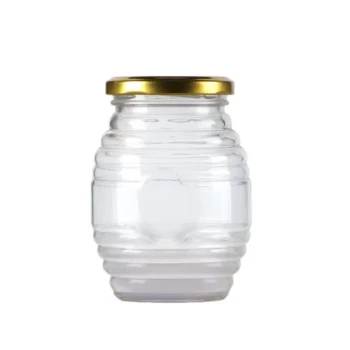
The primary advantages of using glass containers and dark storage for honey samples are the preservation of chemical stability and the prevention of enzymatic degradation. Glass provides an inert, impermeable barrier that prevents moisture fluctuations and fermentation, while dark storage shields light-sensitive components like diastase to ensure the accuracy of physicochemical analysis.
Core Takeaway Honey is a hygroscopic and biologically active substance that reacts significantly to its environment. Isolating samples in sealed glass within dark environments is the only way to arrest moisture absorption and photodegradation, ensuring that laboratory data reflects the honey's true state rather than storage-induced defects.
The Role of Glass in Chemical Stability
Preventing Moisture Fluctuations
Honey is highly hygroscopic, meaning it naturally absorbs moisture from the surrounding air.
Using sealed glass containers creates an impermeable barrier against humidity. This is critical because excess moisture absorption can trigger fermentation, altering the chemical composition of the sample before testing begins.
Ensuring Chemical Inertness
Honey contains complex organic acids that can react with reactive packaging materials like certain metals or lower-grade plastics.
Glass is chemically inert and does not react with these natural acids. This ensures that the original physical-chemical properties and botanical flavor profiles remain unchanged during storage.
Blocking External Odors
Glass is impermeable to gases and environmental odors.
This property prevents the honey from absorbing external smells from the laboratory or storage facility, which protects the integrity of sensory evaluation data.
The Criticality of Dark Storage
Protecting Light-Sensitive Enzymes
Key enzymes used as quality indicators, such as diastase, are highly sensitive to light exposure.
Storing samples in dark environments—or using brown glass bottles—blocks light transmission. This prevents the artificial degradation of these enzymes, which would otherwise result in misleading data regarding the honey's freshness or thermal history.
Preventing Photodegradation
Bioactive components and antioxidant compounds in honey are susceptible to photodegradation reactions.
Dark storage ensures that these bioactive substances remain stable. This allows researchers to obtain results that accurately reflect the original botanical characteristics of the honey as it existed in the field.
Preserving Sensory Characteristics
Exposure to light can degrade the visual and flavor profile of honey over time.
By eliminating light exposure, the sample retains its original color and sensory attributes, ensuring that subsequent sensory analyses are based on the honey's inherent quality rather than storage defects.
Understanding the Trade-offs
Fragility and Handling Risks
While glass offers superior chemical stability, it introduces a physical safety risk due to fragility.
Laboratory personnel must exercise caution during transport and centrifugation to prevent breakage, which results in the immediate loss of the sample and potential injury.
The Temperature Variable
While glass and darkness control moisture and light, they cannot entirely mitigate thermal degradation on their own.
Some protocols suggest room temperature storage, while others recommend refrigeration (e.g., 4°C) to further inhibit enzymatic changes. Using glass and darkness without controlling temperature may still allow for gradual degradation of heat-sensitive markers.
Making the Right Choice for Your Goal
To maximize data integrity, align your storage protocol with your specific analytical focus:
- If your primary focus is Enzyme Analysis (e.g., Diastase): Prioritize brown glass or absolute darkness to prevent photodegradation that mimics heat damage.
- If your primary focus is Moisture and Fermentation Control: Ensure the glass container has a high-quality, airtight seal to prevent hygroscopic absorption.
- If your primary focus is Sensory Profiling: Use chemically inert glass to strictly prevent the absorption of external odors or plastic-like tastes.
Proper sampling is not just about containment; it is about arresting the biological clock of the honey to capture a true snapshot of its quality.
Summary Table:
| Storage Factor | Benefit of Glass/Darkness | Impact on Analysis Accuracy |
|---|---|---|
| Moisture Control | Impermeable barrier prevents hygroscopic absorption | Prevents fermentation and chemical shifts |
| Chemical Inertness | No reaction with natural honey acids | Maintains original physicochemical profile |
| Light Exposure | Blocks photodegradation of diastase/enzymes | Ensures accurate freshness and heat-history data |
| Odor Prevention | Gases and external smells cannot penetrate glass | Protects sensory and botanical flavor integrity |
Elevate Your Honey Quality with HONESTBEE
At HONESTBEE, we understand that maintaining the biological integrity of honey is vital for commercial apiaries and distributors. Whether you are conducting precise laboratory analysis or scaling up your production, we provide the tools you need to succeed.
Our comprehensive wholesale offering includes:
- Advanced Machinery: Honey-filling and hive-making machines designed for precision.
- Professional Equipment: A full spectrum of beekeeping tools and essential industry consumables.
- Quality Merchandising: Honey-themed cultural products to enhance your brand presence.
Partner with an industry expert who values your honey as much as you do. Contact us today to discover how our specialized hardware and wholesale solutions can optimize your beekeeping operations and ensure your products meet the highest market standards.
References
- Saša Prđun, Lidija Svečnjak. Physico-chemical, melissopalynological and sensory characteristics of Satsuma mandarin honey (Citrus unshiu Marc.). DOI: 10.5513/jcea01/21.2.2787
This article is also based on technical information from HonestBee Knowledge Base .
Related Products
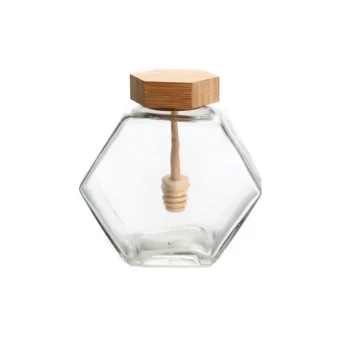
- Hexagonal Glass Honey Jar with Wooden Lid Integrated Dipper Elegant Functional Storage
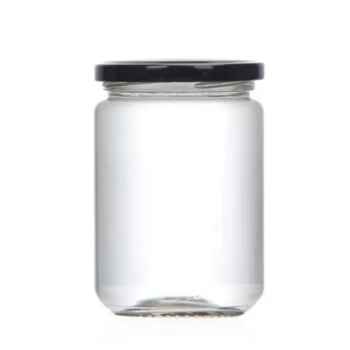
- Classic Round Glass Honey Jar with Lid
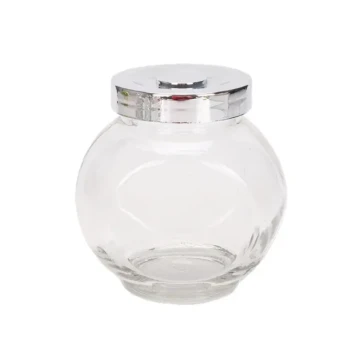
- Classic Drum Shaped Glass Honey Jar with Airtight Lid
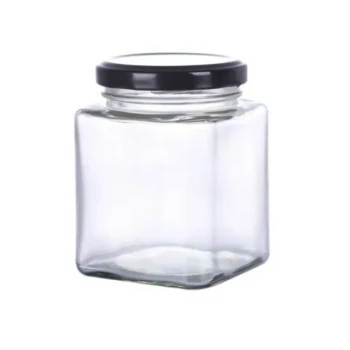
- Modern Square Glass Honey Jar with Twist Off Lid
- Hexagonal Glass Honey Jars with Metal Lug Caps Elegant Versatile Packaging
People Also Ask
- What are the benefits of glass jars regarding strength and safety for storing honey? Ensure Purity and Long-Term Quality
- What are the advantages of using glass jars for honey storage? Ensure Purity and Premium Appeal for Your Product
- What is the aesthetic appeal of using glass jars for honey? Elevate Your Brand with Premium Packaging
- What are the advantages of glass containers for honey? Elevate Quality and Market Value with Premium Packaging
- What are the benefits of using high-transparency Glass Jars for honey? Elevate Purity and Premium Branding